
Curry recipes can turn plain rice into a full meal fast, but the part that trips people up is balance: too watery and the rice gets soggy, too thick and it eats like paste, too spicy and nobody goes back for seconds.
This guide keeps it practical, you’ll get a small set of aromatic curry options that pair well with rice, plus a few rules of thumb to help you adjust flavor, heat, and texture without guessing.
And because “curry” means different things in different kitchens, I’m treating it as a method: bloom spices, build a sauce, simmer protein and veg, then serve over rice with the right toppings.
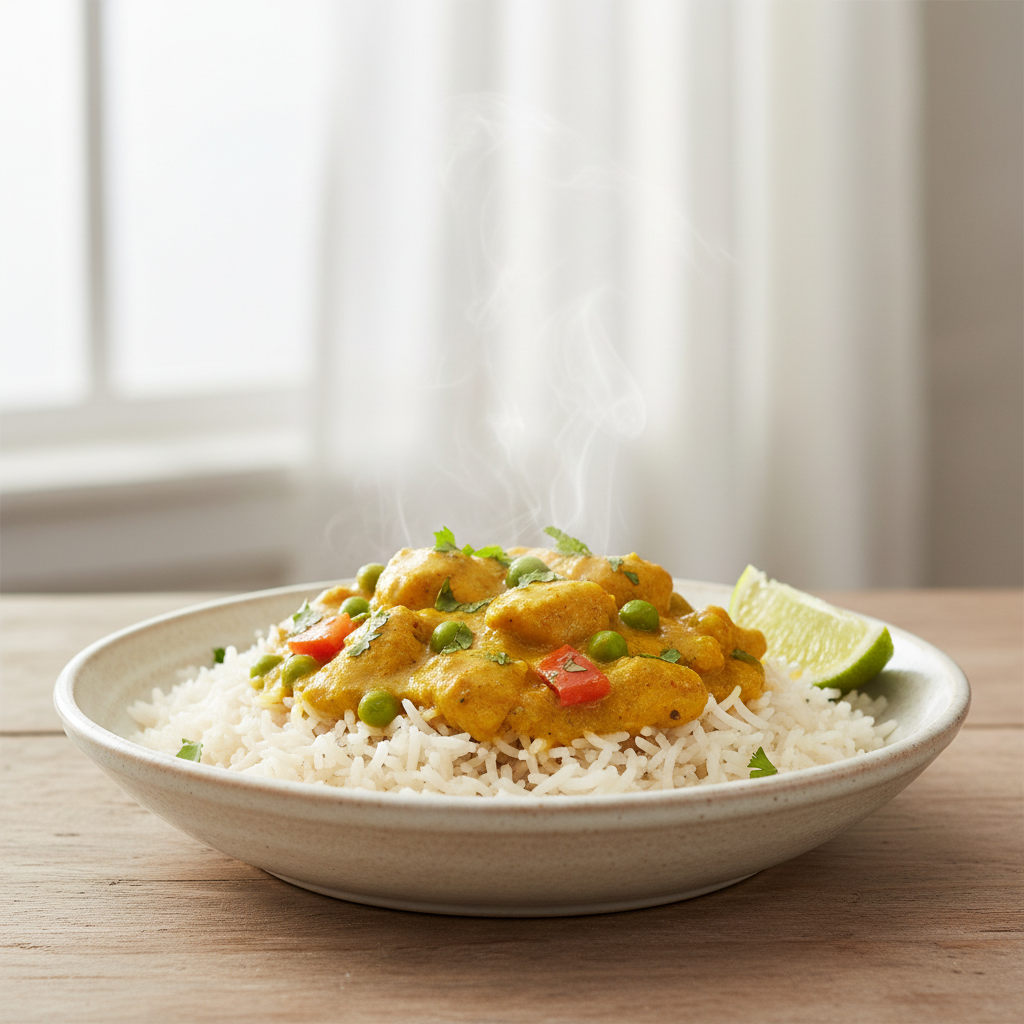
What makes a curry “aromatic” (and not just spicy)
Aromatic curries usually lean on fragrant ingredients more than raw heat. Think toasted spices, sautéed onions, ginger, garlic, and finishing herbs, the kind of smell that hits before the first bite.
According to USDA Food Safety and Inspection Service, hot foods should be kept hot and cold foods kept cold to reduce foodborne illness risk, so when you’re simmering curry for aroma, keep it at a steady simmer and cool leftovers quickly.
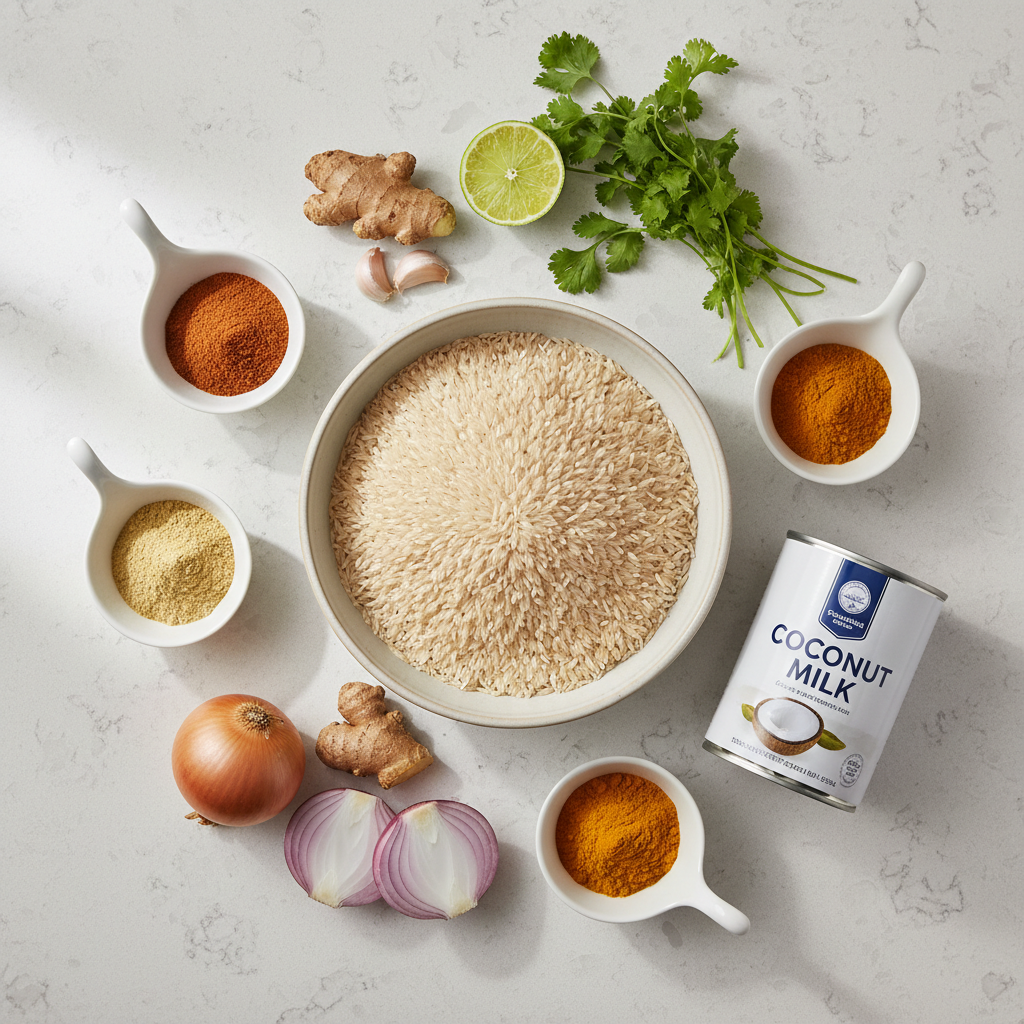
Core aroma builders to keep on hand
- Alliums: onion, shallot, scallion, or leek for sweetness and depth.
- Ginger + garlic: fresh is punchier, paste is convenient and consistent.
- Warm spices: cumin, coriander, turmeric, paprika, cinnamon, clove.
- Fresh finish: cilantro, basil, mint, scallions, or a squeeze of lime.
- Fat: oil, ghee, or coconut milk helps carry aroma across the dish.
If you only change one habit, do this: let spices and aromatics cook in oil until fragrant, then add liquids. That step is where most “restaurant-like” curry flavor comes from.
Quick self-check: choose the right curry style for your rice
Before you pick a recipe, decide what you want the rice to do. Some curries are meant to seep into grains, others sit on top like a thick stew.
- If you like fluffy, separate grains, choose a medium-thick curry and serve it ladled on top.
- If you like softer, saucy rice, go slightly thinner and mix at the table.
- If you meal prep, pick a curry that tastes better on day two (tomato- or coconut-based usually do).
- If you’re cooking for mixed heat tolerance, keep the base mild and add heat as a topping (chili oil, sliced jalapeño, sambal).
Key point: for rice bowls, you typically want curry that clings to a spoon, not a soup that floods the plate.
Aromatic curry recipes for rice (5 reliable options)
These curry recipes are written as “weeknight frameworks.” You can swap proteins and vegetables without rewriting the whole plan.
1) Coconut Ginger Chicken Curry (creamy, crowd-pleasing)
Best with: jasmine rice or basmati.
- Sauté onion in oil, add grated ginger and garlic until fragrant.
- Stir in curry powder plus a pinch of turmeric, toast briefly.
- Add chicken thighs (or tofu), brown lightly, then add coconut milk and a splash of broth.
- Simmer until chicken cooks through, add spinach at the end.
- Finish with lime juice and cilantro.
Texture tip: if it gets too thick, loosen with broth in small splashes, coconut milk can break if you blast it at a rolling boil.
2) Tomato Masala Chickpea Curry (pantry-friendly, hearty)
Best with: basmati rice, brown rice, or rice blends.
- Cook diced onion until golden, add garlic and ginger.
- Add garam masala (or curry powder), cumin, and smoked paprika.
- Stir in tomato paste, cook until it darkens slightly.
- Add crushed tomatoes and chickpeas, simmer 15–20 minutes.
- Finish with a small knob of butter or a spoon of yogurt (optional) for roundness.
Flavor tip: if it tastes sharp, it often needs either more simmer time or a tiny pinch of sugar, go slow and taste as you go.
3) Thai-Style Green Curry Shrimp (fast, bright)
Best with: jasmine rice.
- Warm a little oil, fry green curry paste briefly to bloom aroma.
- Add coconut milk, then a splash of fish sauce and a pinch of brown sugar.
- Add sliced bell pepper or zucchini, simmer until just tender.
- Add shrimp at the end, cook until opaque.
- Finish with basil and lime.
Heat control: curry paste varies a lot by brand, start with less, you can always add more after tasting.
4) Japanese-Style Curry (mild, comfort-food thick)
Best with: short-grain or medium-grain rice.
- Sauté onion, carrot, and potato until edges soften.
- Add broth and simmer until vegetables turn tender.
- Stir in curry roux blocks (or a homemade roux) until thickened.
- Add sliced cooked chicken, pork, or keep it veggie.
Practical note: this style is intentionally thicker, if you’re after a lighter bowl, thin it slightly with broth and serve with pickled ginger or quick cucumber pickles.
5) Red Lentil Curry with Lemon (silky, meal-prep star)
Best with: basmati rice or quinoa-rice blends.
- Sauté onion, garlic, ginger, then toast cumin and coriander.
- Add red lentils, broth, and a little tomato paste.
- Simmer until lentils break down, stir often near the end.
- Finish with lemon juice and cilantro.
This one thickens as it sits, so plan to add a little water or broth when reheating.
Rice pairing guide (table)
Rice choice changes the whole experience. Here’s a simple matching chart that works in most home kitchens.
| Curry style | Best rice | Why it works |
|---|---|---|
| Coconut-based (Thai/Indian-inspired) | Jasmine, basmati | Fragrant grains echo the curry aroma without getting heavy |
| Tomato masala | Basmati, brown rice | Long grains stay separate, brown rice handles bold acidity well |
| Japanese-style thick curry | Short/medium grain | Slight stickiness holds thick sauce better |
| Lentil curry | Basmati, rice blends | Balances creamy texture, keeps bowl from feeling too dense |
Practical steps: how to build curry flavor without overcomplicating
You don’t need a cabinet of spices to make solid curry recipes, but you do need a repeatable sequence. This is the one that saves most weeknight dinners.
- Bloom aromatics: onions until soft, then ginger and garlic until fragrant.
- Toast spices briefly: 20–60 seconds, just until the smell changes and deepens.
- Pick your body: coconut milk for creamy, tomatoes for punchy, broth for lighter.
- Simmer for harmony: 10–25 minutes is where harsh edges smooth out.
- Finish bright: acid (lime/lemon) and herbs at the end, not the start.
Key takeaways (save this section)
- If the curry tastes flat: add salt in tiny increments, then add acid.
- If it tastes bitter: spices likely toasted too long, add a little fat and sweetness, then simmer.
- If it’s watery: simmer uncovered, or add a small slurry of cornstarch and water.
- If it’s too spicy: add coconut milk, yogurt, or a bit of sugar, and serve with extra rice.
Common mistakes (and what to do instead)
A lot of “my curry didn’t work” comes down to two habits: rushing the base, and trying to fix everything with more spice powder.
- Dumping spices into liquid: toast in oil first, even briefly, aroma changes a lot.
- Overcrowding the pan: ingredients steam instead of browning, you lose depth.
- Boiling hard for a long time: some sauces can split, keep a steady simmer.
- Adding herbs too early: cilantro and basil taste fresher when added right before serving.
- Not tasting at the end: a final pinch of salt or squeeze of citrus often fixes “almost there” curry.
When to be cautious (storage, reheating, and dietary needs)
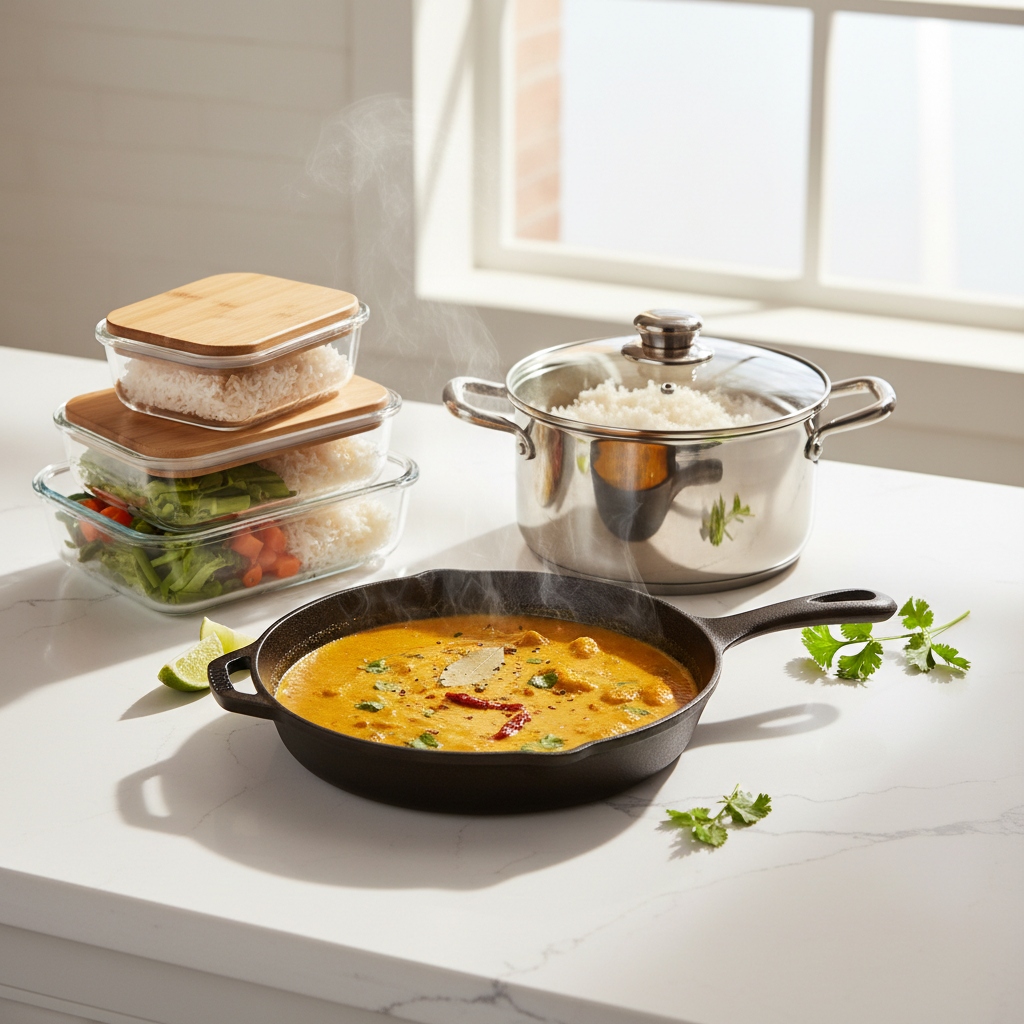
Curry and rice are meal-prep favorites, but food safety matters. According to USDA Food Safety and Inspection Service, leftovers should be refrigerated promptly and reheated to a safe temperature; if you’re unsure about timing or storage conditions, it’s safer to discard.
If you have allergies or medical dietary constraints, ingredient swaps get personal fast, coconut, dairy, shellfish, and certain spice blends can trigger reactions, so checking labels and consulting a qualified professional may be appropriate.
Conclusion: make rice night feel intentional
The best curry recipes for rice aren’t the most complicated, they’re the ones you can repeat without stress: bloom aromatics, simmer long enough to mellow, and finish with something bright. Pick one framework above, cook it twice, and you’ll start adjusting like it’s second nature.
If you want an easy next step, choose the chickpea masala or red lentil version, both handle leftovers well and forgive small measuring mistakes, then keep jasmine or basmati on standby for quick bowls.