
cod recipes easy usually come down to one make-or-break detail: cooking just until the fish turns opaque and flakes, not a minute longer. If your cod keeps coming out dry, it’s rarely your seasoning, it’s the timing and heat.
Cod is a weeknight favorite in many U.S. kitchens because it’s mild, widely available, and plays well with pantry flavors. But that mildness also means it can taste flat if you don’t add a little fat, acid, and a smart crust or sauce.
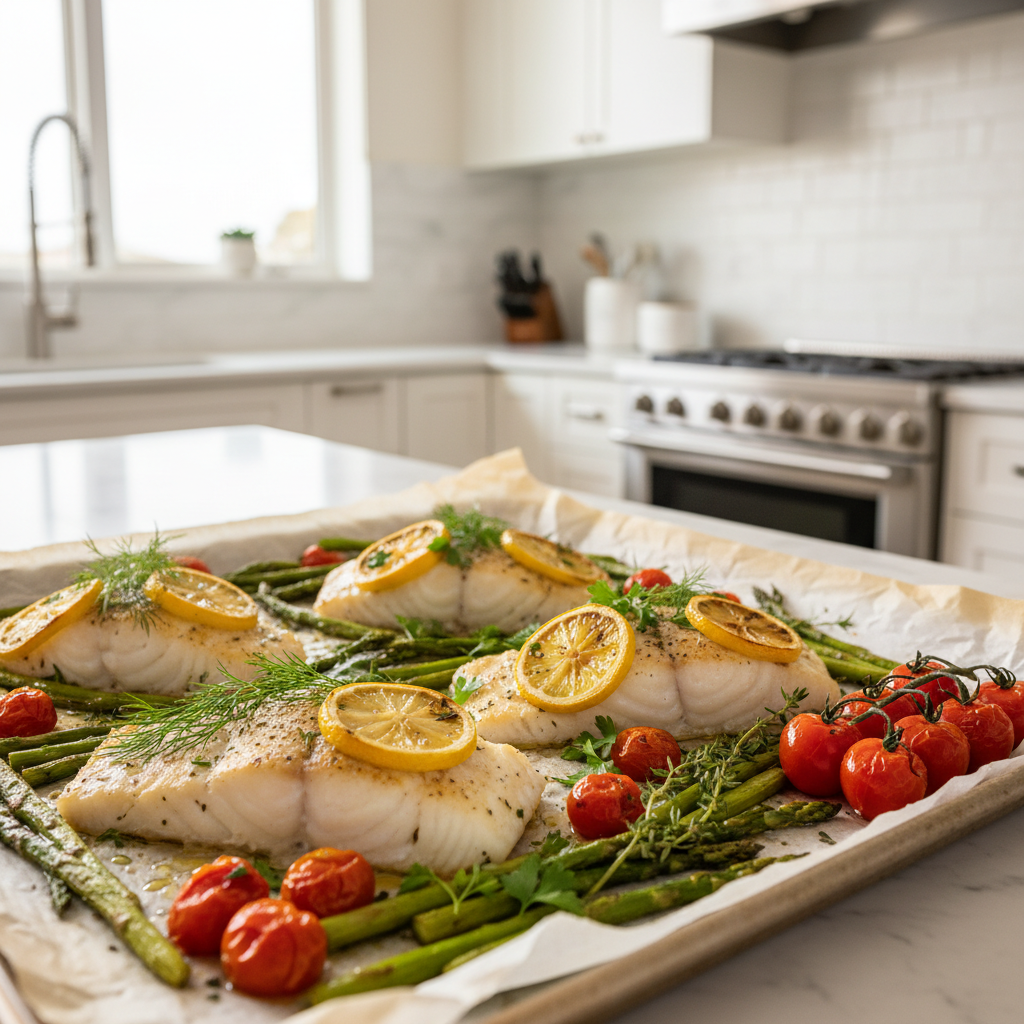
This guide sticks to two reliable lanes, baked cod and pan-fried cod, because they cover most real-life needs: hands-off cooking for busy nights and quick stovetop crispiness when you want texture. You’ll also get a quick self-check, a timing table, and a few “mix-and-match” flavor paths that don’t require a grocery run.
Why cod turns dry (and how to stop it)
Cod is a lean white fish, so it has less internal fat to protect it from overcooking. That’s great for a light dinner, but it punishes “just to be safe” cooking habits.
- Too much heat for too long: Cod goes from tender to chalky fast, especially with thin fillets.
- Skipping fat: A little butter, olive oil, or mayo-based topping can buffer the surface and keep it juicy.
- Uneven thickness: One end overcooks while the thick end catches up, common with supermarket fillets.
- Wrong pan habits: Crowding the skillet steams fish, preventing browning and making it taste dull.
According to the USDA, fish is considered safely cooked when it reaches an internal temperature of 145°F. Many home cooks prefer pulling cod a touch earlier and resting briefly, but if you’re cooking for someone at higher risk, following the USDA guidance is the safer choice.
Quick self-check: baked or pan-fried for your situation?
If you’re deciding between oven and stovetop, ask yourself these questions before you season anything.
- Want the lowest effort? Bake it on a sheet pan, ideally with a topping or sauce.
- Craving a crisp edge or light crust? Pan-fry with a thin flour or breadcrumb coating.
- Fillets are very thin (under 3/4 inch)? Pan-fry often gives better control, baking can overcook quickly.
- Cooking for a group? Baking scales easier and keeps your kitchen calmer.
- Only have frozen cod? Baking is more forgiving, but thawing first usually improves texture.
One more honest check: if you’re distracted (kids, calls, multitasking), baked fish with a timer tends to produce fewer regrets than stovetop fish that needs attention every minute.
Timing & temperature cheat sheet (use this before you cook)
Thickness matters more than weight. If your pieces vary, cook to the thickest part and remove thinner pieces earlier if needed.
| Method | Thickness | Temp / Heat | Approx Time | Best visual cue |
|---|---|---|---|---|
| Bake | 1 inch | 425°F oven | 10–14 min | Opaque, flakes with gentle pressure |
| Bake (with topping) | 1 inch | 400°F oven | 12–16 min | Topping browned, fish still moist |
| Pan-fry (light flour) | 3/4–1 inch | Med-high | 3–5 min/side | Golden crust, center just turns opaque |
| Pan-fry (breadcrumbs) | 1 inch | Medium | 4–6 min/side | Crumbs browned, fish flakes easily |
Key point: cod keeps cooking for a minute or two after heat, so resting matters, even if it feels fussy for a weeknight.
Easy baked cod: 3 reliable variations (pick one)
For baked fish, you’re basically choosing a “top coat” that adds fat plus flavor. Salt the fish, add the topping, bake, done. These are the cod recipes easy that tend to work even when you’re not in the mood to measure.
1) Lemon-garlic butter baked cod
- Pat cod dry, season with salt and pepper.
- Mix melted butter, minced garlic, lemon zest, and a squeeze of lemon juice.
- Spoon over fillets, add lemon slices.
- Bake at 425°F until it flakes easily.
If you’ve had “fish that tastes like nothing,” don’t skip zest. It’s the part that actually smells like lemon.
2) Mayo-parmesan crust (surprisingly good)
- Stir mayo, grated parmesan, garlic powder, and paprika.
- Spread a thin layer on top of each fillet.
- Bake at 400°F until the top browns lightly and the fish is opaque.
This looks questionable until you try it. The mayo acts like a moisture shield, which helps lean fish.
3) Sheet-pan cod with tomatoes and olives
- Toss cherry tomatoes, sliced olives, olive oil, and a pinch of red pepper flakes on a sheet pan.
- Roast at 425°F for 10 minutes, then nestle in cod and bake until done.
- Finish with a splash of lemon or a little red wine vinegar.
The tomatoes bring sauce without extra work, and that little hit of acid makes mild fish taste more “finished.”
Easy pan-fried cod: crisp without deep frying
When people say “fried cod,” they often picture a thick batter and a fryer. At home, pan-frying is the sweet spot: fast, crispy enough, less mess.
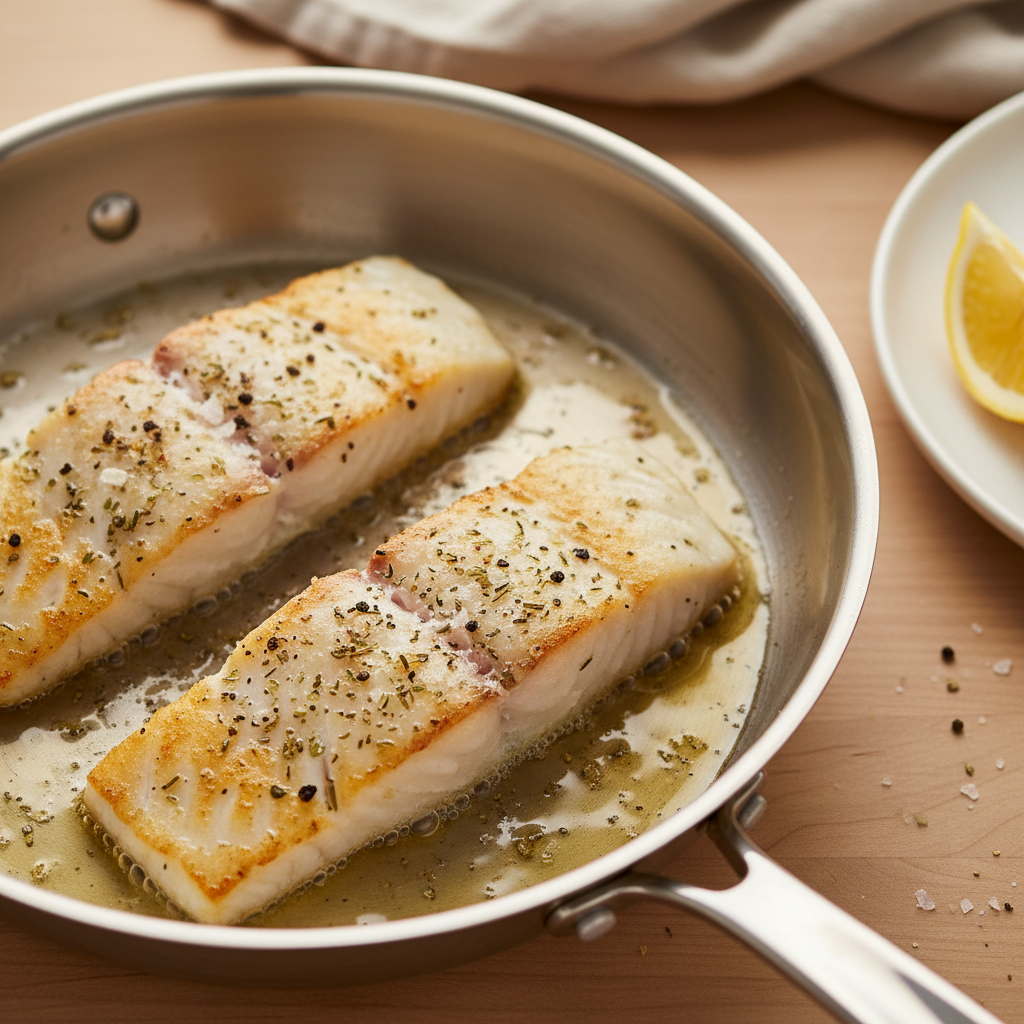
Pan-fried cod with light flour coating
- Pat fish dry, season with salt, pepper, and a pinch of paprika.
- Dredge lightly in flour, shake off extra.
- Heat a thin layer of oil in a skillet over medium-high.
- Cook until golden, flip once, then lower heat slightly if the pan runs hot.
- Finish with lemon and a small knob of butter if you want it richer.
Practical tip: If the fish sticks, it often means the crust hasn’t set yet. Give it another 30–60 seconds, then try again.
Pan-fried “weeknight fish taco” style
- Season with cumin, chili powder, garlic powder, and salt.
- Pan-fry as above, then break into chunks.
- Serve in warm tortillas with shredded cabbage and a quick lime-yogurt sauce.
This is one of those cod recipes easy enough to repeat because it forgives imperfect pieces, tacos hide a lot.
Flavor combos that make mild cod taste intentional
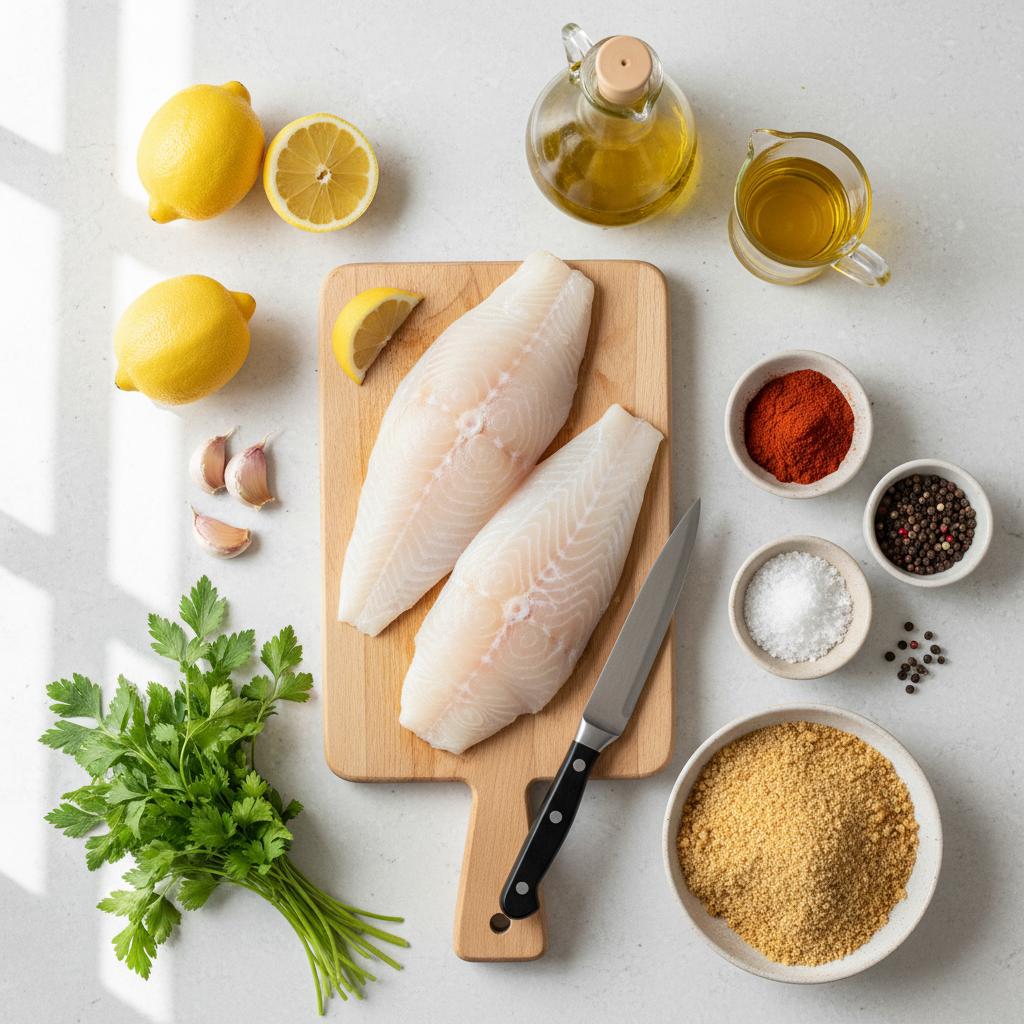
Cod can taste “restaurant good” with boring ingredients, as long as you combine fat + acid + something aromatic. Keep a few combos in your back pocket.
- Butter + lemon + parsley (classic, works baked or pan-fried)
- Olive oil + garlic + cherry tomatoes (sheet-pan friendly)
- Mayo + parmesan + paprika (quick crust for baking)
- Chili powder + lime + yogurt (taco direction)
- Dijon + honey + lemon (sweet-tang glaze, especially baked)
If your fish tastes flat, you usually need either more salt or a brighter finish like lemon, not a whole new spice rack.
Common mistakes (the ones people don’t realize they’re making)
- Cooking from icy-frozen without adjusting: it can cook unevenly, with a watery layer on the outside.
- Overcrowding the pan: steam replaces browning, texture turns soft.
- Moving fish too soon: you lose the crust and the fillet breaks.
- Relying on time only: ovens vary, thickness varies, timers lie a little.
- No rest time: even 2 minutes helps juices settle, especially after pan-frying.
Also, if you buy previously frozen cod, it’s normal to see more moisture. Dry it well, then season right before cooking so salt doesn’t pull out extra water too early.
When to be extra cautious (food safety & allergies)
If you’re serving kids, pregnant people, older adults, or anyone with immune issues, it’s smart to prioritize food safety over “perfectly just-done” texture. Using a thermometer takes the guesswork out.
- Cook fish to 145°F in the thickest part, per According to USDA guidance.
- If you notice an ammonia-like smell or very slimy texture, it may be spoiled, when in doubt, discard.
- For fish allergies, avoid cross-contact, separate utensils and oil matter.
If you have specific dietary needs, it may help to consult a qualified nutrition professional for personalized advice.
Conclusion: a simple plan you can repeat
The easiest way to get cod you actually want to eat is choosing one method, baking or pan-frying, then pairing it with a topping or finish that brings fat and acid. Keep your timing tight, trust visual cues, and don’t be shy about lemon.
If you want a low-effort next step, pick one baked variation for this week, then try the light pan-fry next time you want crisp edges. That rhythm keeps dinner interesting without turning it into a project.
FAQ
What are the easiest seasonings for cod that still taste good?
Salt, pepper, garlic powder, and paprika cover a lot of ground. Finish with lemon juice or zest and it stops tasting “plain,” even with minimal effort.
How do I keep baked cod from drying out?
Use higher heat with shorter time, add a thin topping like butter sauce or mayo-parmesan, and pull it when it flakes gently. Rest it a couple minutes before serving.
Is it better to bake cod at 400 or 425?
425°F works well for plain fillets when you want them done fast. 400°F tends to be friendlier when you’re using thicker toppings that need time to brown without overcooking the fish.
Can I pan-fry cod without flour or breadcrumbs?
You can, but you’ll get less crust and more sticking risk. If you skip coating, dry the fish very well and use enough oil, then don’t move it until it releases.
Can I cook cod straight from frozen?
In many cases yes, especially baked, but texture often improves if you thaw overnight in the fridge. If cooking from frozen, expect longer time and more surface moisture.
What’s a good side dish with baked or fried cod?
Roasted veggies, rice, or a simple salad work because cod is mild. If the fish is rich (butter or mayo topping), a bright side like slaw or lemony greens balances it.
How do I know cod is fully cooked without a thermometer?
It should turn opaque and flake with gentle pressure at the thickest point. If it looks translucent in the center, give it a bit more time, but keep increments small.