
Spaghetti recipes don’t have to mean a long simmer or a sink full of pans, you just need a few classic “base” methods you can repeat and tweak. This guide sticks to the kind of dependable, weeknight-friendly versions most people actually make: quick marinara, meat sauce, garlic-and-oil, and a simple creamy option.
What makes this worth nailing is the payoff-to-effort ratio. Spaghetti is cheap, flexible, and easy to scale for families, but it also turns disappointing fast if the pasta is overcooked, the sauce tastes flat, or everything feels greasy. A couple small habits change that.
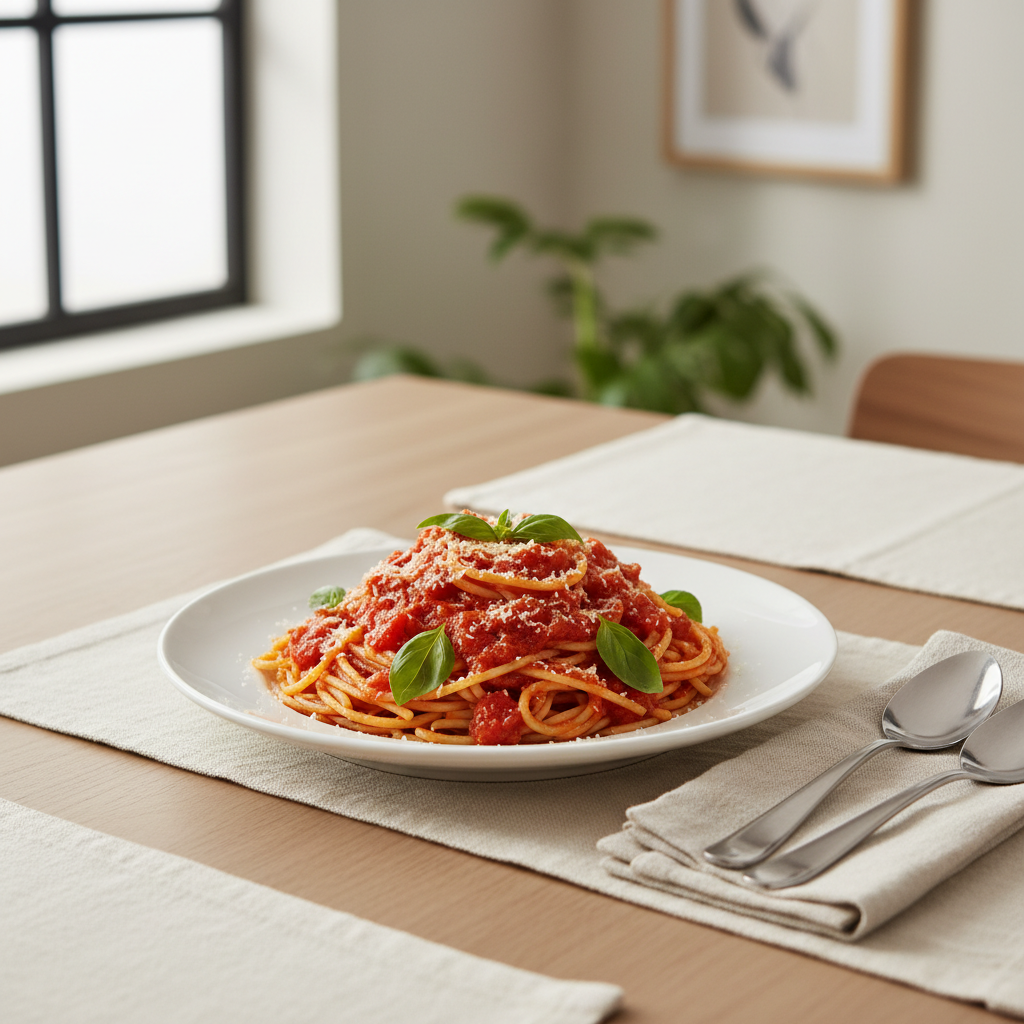
I’ll also call out common traps, like rinsing pasta, under-salting water, or letting sauce and noodles meet for the first time on the plate. You’ll get a quick self-check, a few reliable recipes, and a simple “choose-your-sauce” table to keep in your back pocket.
What “classic” really means (and why it goes wrong)
Classic spaghetti usually comes down to two parts: properly cooked pasta and a sauce with balanced salt, fat, and acidity. Most problems happen when one of those is missing, not because you didn’t buy fancy ingredients.
- Flat flavor: sauce needs enough salt and a touch of acidity, often from tomatoes, wine, or a squeeze of lemon.
- Watery sauce: tomatoes not reduced, or pasta water not used correctly.
- Greasy mouthfeel: too much oil or fat added at the end without emulsifying with pasta water.
- Clumpy noodles: pasta drained too early, then sits while sauce finishes.
According to the USDA Food Safety and Inspection Service (FSIS), you should cool leftovers quickly and refrigerate within about two hours in most home situations, which matters a lot with meat sauces and creamy versions. If you routinely leave the pot on the stove “for later,” this is a good habit to tighten up.
Quick self-check: which spaghetti situation are you in?
Before picking a recipe, it helps to be honest about the constraint. Most people aren’t short on recipes, they’re short on time, planning, or the right pantry staples.
- “I have 20 minutes”: go marinara, aglio e olio, or a pantry puttanesca-style sauce.
- “I need it to feel filling”: meat sauce, meatballs, or sausage-and-peppers.
- “Kids want it mild”: butter-Parmesan, simple tomato-basil, or a gentle cream sauce.
- “I’m trying to use what’s left”: turn any sauce into a complete dish with greens, beans, canned fish, or frozen veggies.
If you only fix one thing, fix timing: start the pasta water first, build sauce while it heats, then finish noodles in the sauce for 60–90 seconds so everything tastes like one dish.
Classic spaghetti sauce options at a glance (use this table)
This is the cheat sheet I’d keep on the fridge. Pick what matches your pantry and mood, then follow the mini method in the next sections.
| Style | Best for | Core ingredients | Typical time |
|---|---|---|---|
| Quick Marinara | Weeknights, meal prep | Canned tomatoes, garlic, olive oil, basil | 15–25 min |
| Meat Sauce | Hearty dinners | Ground beef/turkey, onion, tomatoes | 30–60 min |
| Aglio e Olio | Fast pantry meal | Garlic, olive oil, chili flakes, parsley | 12–18 min |
| Simple Creamy | Comfort food | Butter, cream or half-and-half, Parmesan | 15–25 min |
Recipe 1: Easy Classic Marinara (bright, not bland)
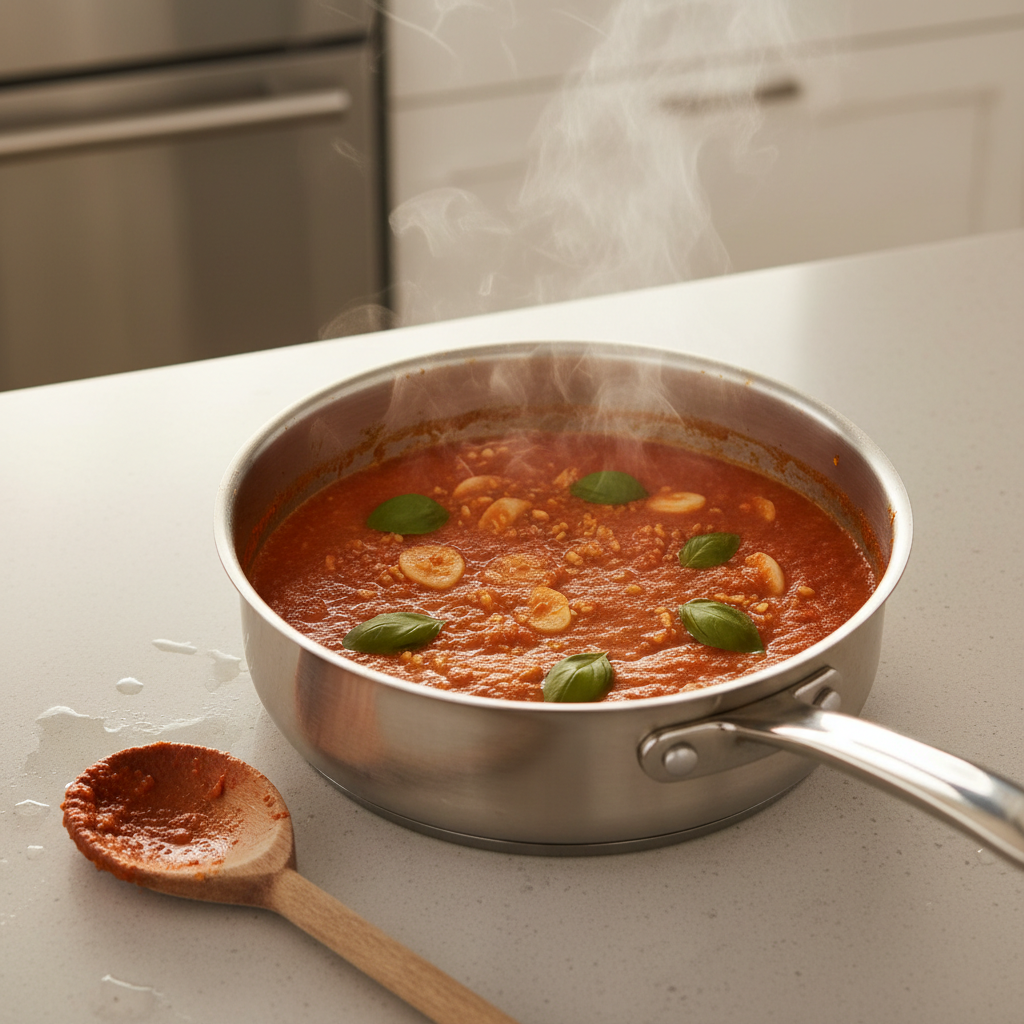
This is the foundation for a lot of spaghetti recipes. The trick is letting garlic perfume the oil, then reducing tomatoes just enough to lose the “canned” edge.
Ingredients (serves 4)
- 12 oz spaghetti
- 2–3 tbsp olive oil
- 3–5 garlic cloves, thinly sliced
- 1 (28 oz) can crushed tomatoes
- Salt and black pepper
- Pinch sugar (optional, if tomatoes taste sharp)
- Fresh basil or dried oregano
Method
- Salt the pasta water until it tastes noticeably salty, then cook spaghetti to just shy of al dente.
- Warm olive oil, gently cook garlic until fragrant, keep it pale-golden, not browned.
- Add tomatoes, simmer 10–15 minutes, then season with salt, pepper, and basil.
- Toss pasta into sauce with a splash of pasta water, stir 60–90 seconds until the sauce clings.
Key point: if the sauce tastes “thin,” don’t immediately add more tomato paste; try emulsifying with pasta water and simmering two more minutes first.
Recipe 2: Classic Meat Sauce (weeknight version that still tastes slow)
A good meat sauce is less about a long ingredient list and more about browning, meaning you let the meat develop color before you rush into tomatoes. That browned flavor is the “restaurant” part.
Ingredients (serves 4–6)
- 1 lb ground beef (or turkey)
- 1 small onion, finely chopped
- 2 cloves garlic, minced
- 1 (28 oz) can crushed tomatoes
- 1–2 tbsp tomato paste (optional)
- Italian seasoning or oregano, salt, pepper
Method
- Brown meat in a wide pan; if it steams, the pan is crowded, work in two batches if needed.
- Add onion, cook until soft, then add garlic for 30 seconds.
- Stir in tomatoes (and paste if using), simmer 20–40 minutes, season as it reduces.
- Finish spaghetti in the sauce with a little pasta water for better coating.
Food safety note: ground meat should be cooked thoroughly; if you’re unsure about safe internal temperatures or handling, it’s reasonable to check USDA FSIS guidance or ask a qualified professional.
Recipe 3: Aglio e Olio (the pantry classic that people overheat)
This one is fast, but it punishes impatience. Garlic goes from perfect to bitter quickly, and then the whole bowl tastes “off.” Keep the heat moderate, and treat pasta water like an ingredient, not an accident.
Ingredients (serves 2–3)
- 8–10 oz spaghetti
- 1/4 cup olive oil (adjust to taste)
- 4–6 garlic cloves, thinly sliced
- Red pepper flakes
- Parsley
- Parmesan (optional)
Method
- Cook pasta until al dente, reserve at least 1 cup pasta water.
- Warm oil, gently toast garlic until light golden, then take pan briefly off heat.
- Add a splash of pasta water, then toss pasta in, stirring until glossy, not oily.
- Finish with parsley and chili flakes; add cheese only if you want it richer.
Key point: the “sauce” is an emulsion, oil plus starchy water, if you skip the water, it often tastes like oily noodles.
Recipe 4: Simple Creamy Spaghetti (no drama, no gluey sauce)
When people say “creamy spaghetti,” they often mean Alfredo-ish, but heavy cream plus high heat can break or thicken too far. Keep it gentle, and let cheese melt off the heat.
Ingredients (serves 3–4)
- 12 oz spaghetti
- 2 tbsp butter
- 1 cup half-and-half or cream
- 3/4 cup grated Parmesan
- Black pepper, optional garlic
Method
- Warm butter and half-and-half on low heat, don’t boil.
- Add pasta and a splash of pasta water, stir until lightly thickened.
- Turn heat off, add Parmesan gradually, stirring until smooth.
If dairy is a concern for you medically or nutritionally, it may help to ask a registered dietitian for guidance; a lot depends on personal needs and tolerance.
Practical steps that make any spaghetti taste better
These are the moves that quietly upgrade most spaghetti recipes without adding time. They’re boring in theory, and surprisingly effective in practice.
- Salt the water confidently: if the pasta is bland, the dish fights uphill no matter how good the sauce is.
- Reserve pasta water: it helps sauce cling and keeps reheated leftovers less dry.
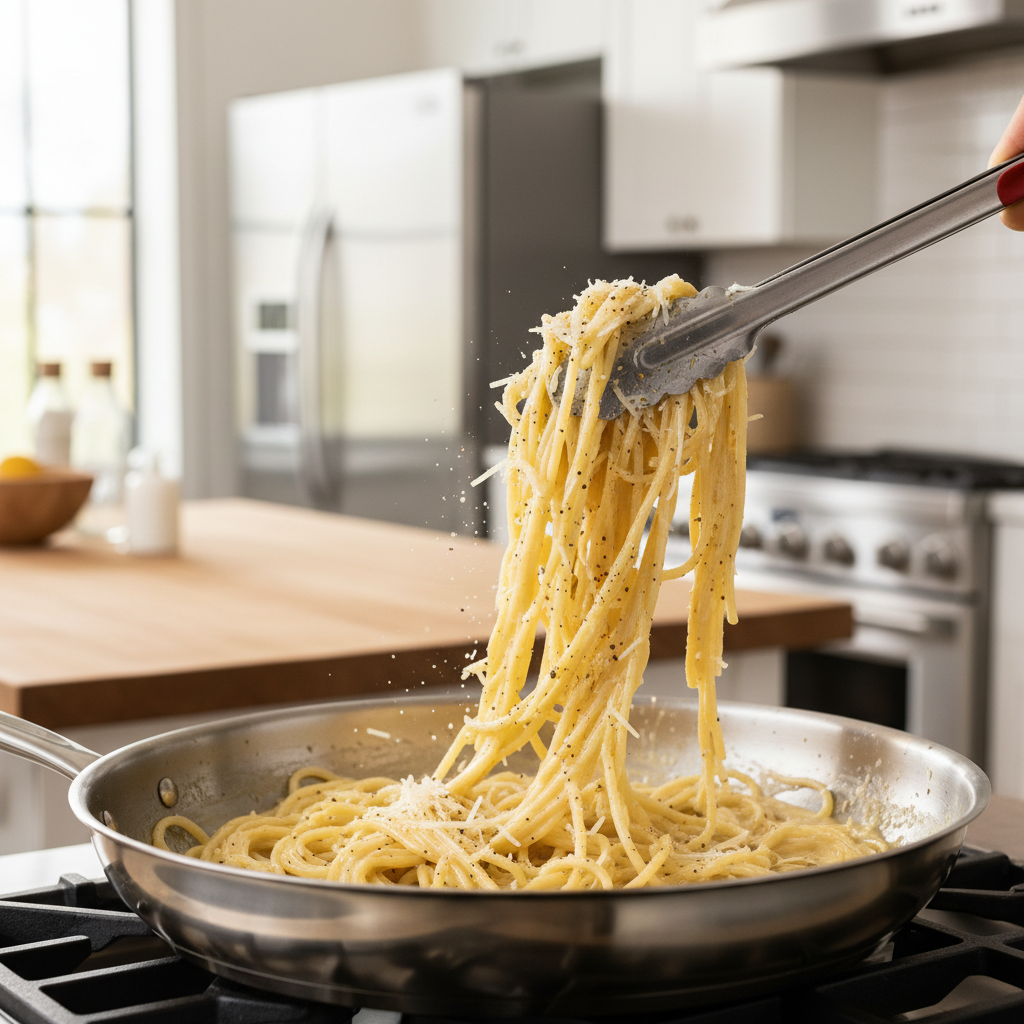
- Finish pasta in the pan: 60–90 seconds of tossing beats spooning sauce on top.
- Use the right pan: a wide skillet reduces sauce faster and makes tossing easier.
- Balance at the end: a pinch of salt, a drizzle of olive oil, or a squeeze of lemon can fix “something’s missing.”
Key takeaways (save these)
- Timing beats complexity, start water first, build sauce while it heats.
- Pasta water is your binder, especially for garlic-and-oil styles.
- Don’t burn garlic, it’s the fastest way to ruin a simple dish.
Common mistakes and what to do instead
- Mistake: Rinsing spaghetti after draining. Fix: skip rinsing so sauce sticks, rinse only if you’re cooling pasta for a salad.
- Mistake: Overcooking “to be safe.” Fix: pull noodles slightly early, they finish in the sauce.
- Mistake: Adding all cheese at once on high heat. Fix: lower heat or turn it off, add gradually, loosen with pasta water.
- Mistake: Using a tiny pot with too little water. Fix: more water reduces sticking and cooks more evenly.
Conclusion: keep two sauces in your pocket, then rotate
If you can make a quick marinara and a garlic-and-oil pasta without thinking, weeknight spaghetti stops being repetitive and starts being a flexible template. Pick one sauce style to master this week, stock the few staples it needs, and practice finishing the noodles in the pan.
If you want a simple next step, choose one of the recipes above, cook it twice, and only change one variable the second time, like adding mushrooms to meat sauce or lemon zest to aglio e olio, that’s the easiest way to build confidence fast.
FAQ
What are the easiest spaghetti recipes for beginners?
Quick marinara and aglio e olio are usually the easiest because they rely on short ingredient lists and simple timing. The main skill is controlling heat so garlic doesn’t burn and finishing pasta in the sauce.
How do I make jar sauce taste more homemade?
Warm it in a skillet with a little olive oil, sautéed garlic or onion, and a splash of pasta water, then finish with basil or Parmesan. Many jar sauces improve with just 10 minutes of gentle simmering.
Why does my spaghetti taste bland even with sauce?
Most of the time it’s under-salted pasta water or sauce that needs a final adjustment. Taste, then add a small pinch of salt, a bit of acid like lemon, or more herbs, and toss with pasta water so flavor coats every strand.
Should I add oil to pasta water?
Usually no. Oil on the surface doesn’t prevent sticking as much as people hope, and it can make sauce cling less. Stir early in the boil and use enough water instead.
How can I thicken watery spaghetti sauce fast?
Simmer it in a wide pan to reduce, and toss pasta into it with a splash of starchy pasta water. If it still feels thin, a small amount of tomato paste can help, but it’s easy to overdo.
What’s the best way to reheat spaghetti without drying it out?
Reheat in a skillet with a tablespoon or two of water, cover briefly, then toss. Microwaving works too, but adding a little water and stirring halfway through usually keeps texture better.
Can I freeze spaghetti with sauce?
Often yes, especially marinara and meat sauce. Creamy sauces can separate after freezing and thawing, so they may need gentle reheating and a little extra dairy or pasta water to smooth out.
How much spaghetti should I cook per person?
A common home range is about 2–3 ounces dry pasta per person, depending on appetite and whether you’re serving salad, bread, or protein. If you like leftovers, bump it slightly.