
how to make chole bhature recipe punjabi is mostly about getting two things right at the same time, bold chickpea gravy that tastes “restaurant-deep” and bhature that puff without turning oily or tough.
If you’ve tried it once and felt the chole tasted flat or the bread refused to balloon, you’re not alone, the dish has a few make-or-break steps that recipes sometimes skip, like soaking chickpeas properly, building the masala base patiently, and managing dough fermentation.
This guide walks you through a Punjabi-style approach that fits a US kitchen, with practical swaps, a timing plan, and checkpoints so you can tell early whether you’re on track.
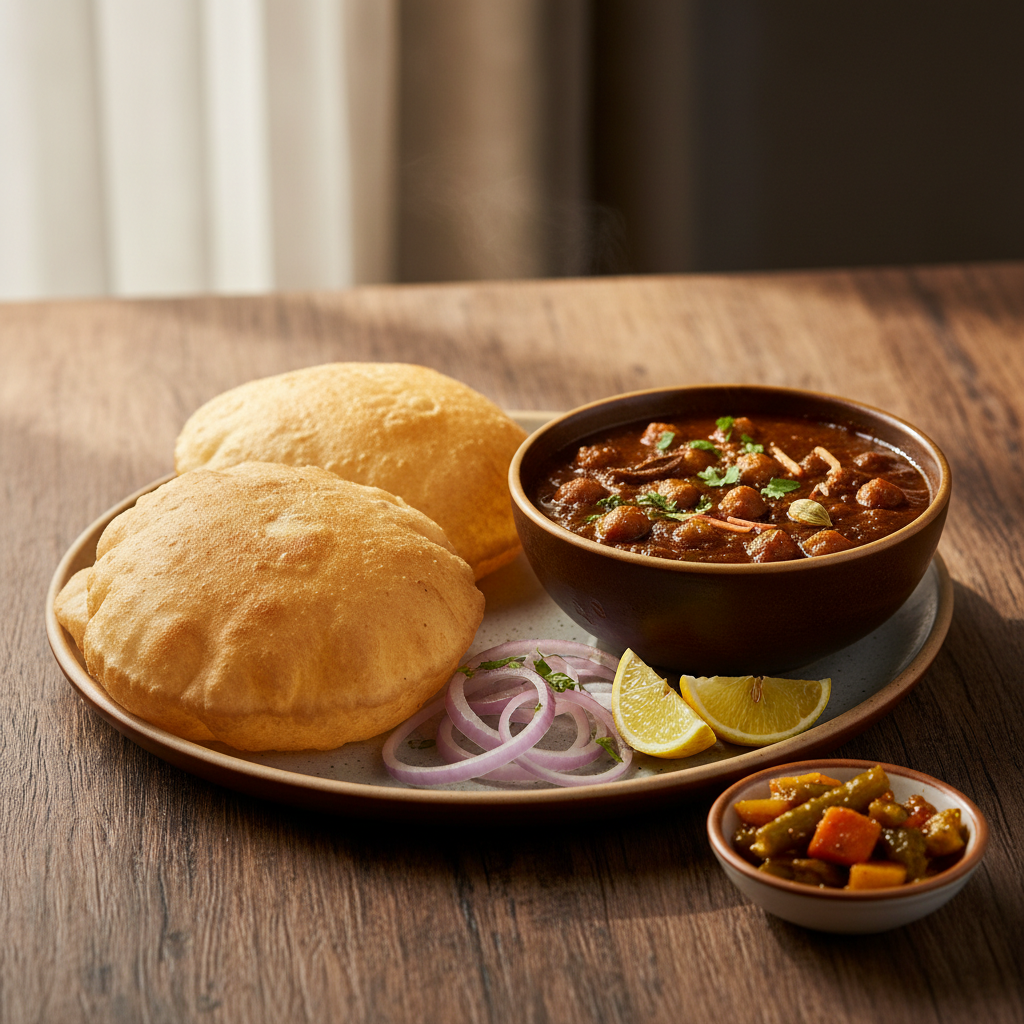
What makes Punjabi chole bhature taste “right”
Punjabi chole tends to be darker, more aromatic, and slightly tangy, bhature should feel light and crisp at the edges, with a soft interior. The trick is not extra chili, it’s layered flavor and heat control.
Two details matter a lot in many home kitchens: using a strong chole masala backbone, and giving the dough enough time to relax and ferment so it puffs easily.
- Color and depth: often comes from tea (or dried amla), browning onions, and simmer time.
- Texture: chickpeas should be creamy, not grainy or crunchy in the center.
- Bhature puff: depends on dough hydration, fermentation, and oil temperature.
Ingredients (with US-friendly notes)
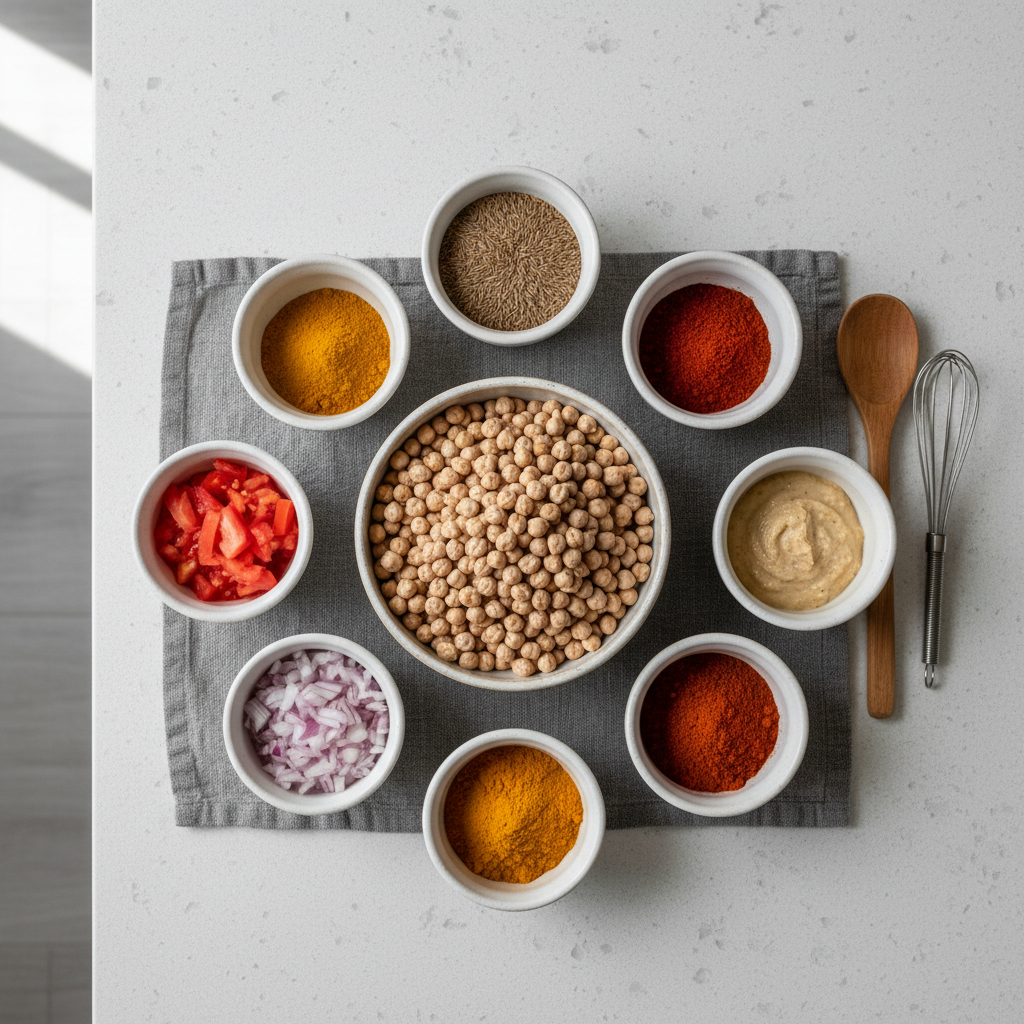
Below is a realistic shopping list for American grocery stores plus an Indian market if you have one, you can still make a good batch without specialty items, but a couple spices help a lot.
Chole (chickpea curry)
- 1 1/2 cups dried chickpeas (or 3 cans, see notes)
- 1 large onion, finely chopped
- 2 medium tomatoes, grated or finely chopped
- 2 tbsp neutral oil or ghee
- 1 tsp cumin seeds
- 1 tbsp ginger-garlic paste (or minced)
- 1–2 green chilies, slit (optional)
- 1 1/2–2 tsp chole masala (store-bought is fine)
- 1 tsp ground coriander
- 1/2 tsp cumin powder
- 1/2 tsp Kashmiri chili powder or mild paprika
- 1/4 tsp turmeric
- 1 tsp salt, then adjust
- 1 tsp dried mango powder (amchur) or 1–2 tsp lemon juice
- Optional: 1 black tea bag for color
- Garnish: cilantro, sliced onions, lemon
Bhature
- 2 cups all-purpose flour
- 2 tbsp semolina (sooji) or bread flour for bite, optional
- 1/2 cup plain yogurt
- 1–2 tsp sugar
- 1 tsp salt
- 1 1/4 tsp baking powder (some cooks add a pinch baking soda too)
- 2 tsp oil in dough
- Water as needed (usually 2–6 tbsp)
- Oil for frying
Quick substitution table
| Ingredient | Why it matters | Substitution in a pinch |
|---|---|---|
| Chole masala | Signature aroma, balanced spices | Garam masala + extra coriander + a little amchur |
| Amchur | Tang without extra liquid | Lemon juice added at the end |
| Dried chickpeas | Best texture, absorbs masala | Canned chickpeas (simmer longer, reduce salt) |
| Semolina | Helps bhature hold structure | All-purpose flour only (roll slightly thicker) |
Before you start: a simple timing plan
This is the part people skip, then wonder why dinner hits midnight. If you want how to make chole bhature recipe punjabi without stress, pick the path that matches your day.
- Best texture: soak chickpeas overnight (8–12 hours), ferment dough 2–4 hours.
- Same-day: soak chickpeas 4 hours in hot water, dough 2 hours.
- Fastest: use canned chickpeas, dough still needs at least 1.5–2 hours to rest.
Punjabi chole: step-by-step (with checkpoints)
Chole is forgiving once you understand the checkpoints, you’re aiming for soft chickpeas, a thick masala base, and a finish that tastes bright rather than harsh.
1) Cook chickpeas until creamy
- Rinse and soak dried chickpeas.
- Pressure cook with enough water to cover by 2 inches, add a tea bag if using. Cook until chickpeas mash easily between fingers.
- If using a pot: simmer until very tender, longer than you think.
Checkpoint: if the center still feels chalky, the gravy will never taste “set” no matter how much masala you add.
2) Build the masala base patiently
- Heat oil/ghee, add cumin seeds until they sizzle.
- Add onion, cook until golden-brown, not pale. This step often takes 10–15 minutes.
- Add ginger-garlic paste, cook until raw smell fades.
- Add tomatoes, cook until the mix thickens and oil starts to separate at the edges.
Checkpoint: if tomatoes still look watery, spices can taste dusty and the curry stays thin.
3) Spice and simmer
- Lower heat, add coriander, cumin powder, turmeric, Kashmiri chili, and chole masala, stir 30–45 seconds.
- Add cooked chickpeas and some cooking liquid, simmer 15–25 minutes.
- Lightly mash a few chickpeas against the pot to thicken naturally.
- Finish with amchur or lemon juice, then adjust salt.
According to USDA Food Safety and Inspection Service (FSIS), hot foods should be kept hot while serving to reduce food safety risk, so keep chole on a low simmer while frying the bhature.
Bhature: dough, fermentation, and frying without fear
Bhature scares people because frying feels high-stakes. The reality: once oil temperature and dough feel make sense, it becomes repeatable.
1) Mix and knead
- Combine flour, semolina (if using), salt, sugar, baking powder.
- Add yogurt and 2 tsp oil, mix, then add water a little at a time.
- Knead until smooth and soft, it should feel slightly tacky, not dry.
Checkpoint: if dough feels stiff, bhature often stays flat or turns chewy.
2) Rest and ferment
- Cover and rest 2–4 hours in a warm spot.
- If your kitchen runs cold, give it more time, fermentation tends to slow down.
3) Shape and roll
- Divide into 8–10 balls, coat lightly with oil.
- Roll into ovals or circles, medium thickness, not paper-thin.
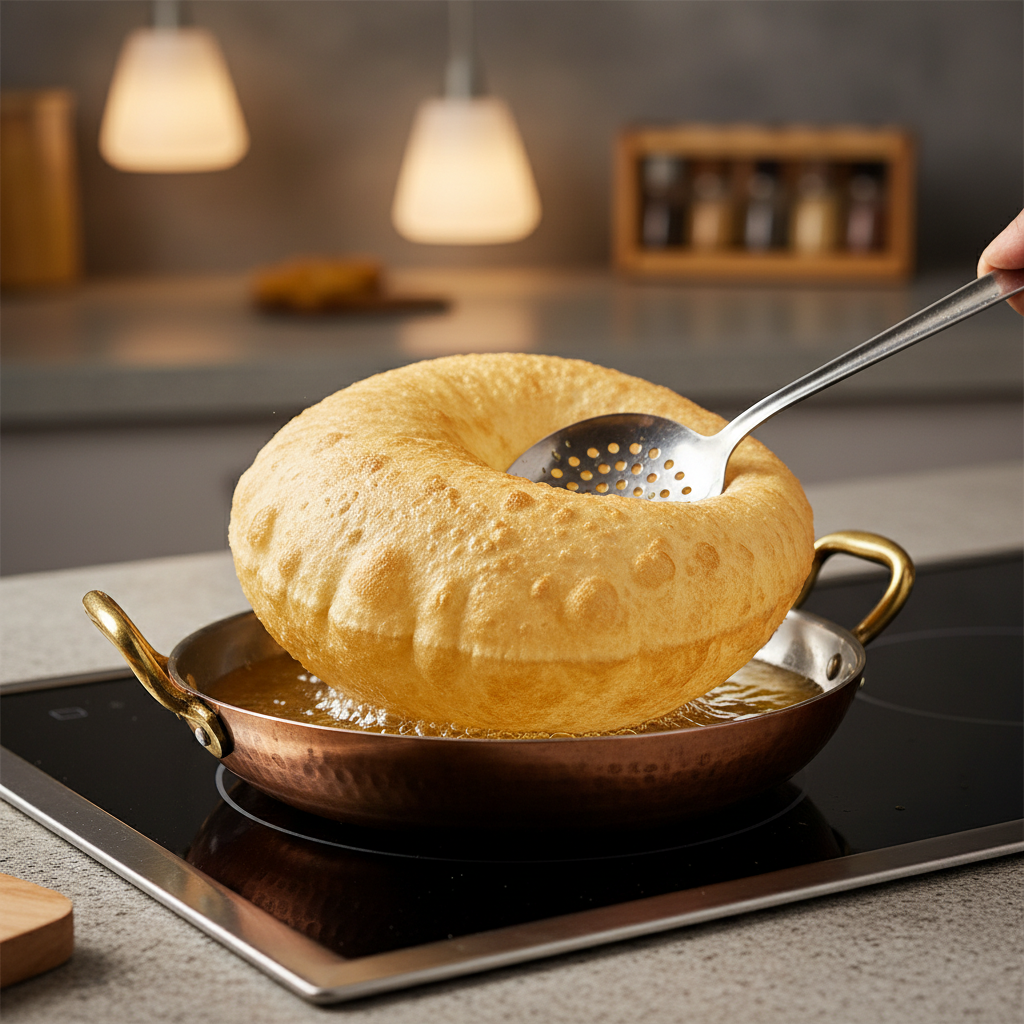
4) Fry and puff
- Heat oil in a deep pan. A small piece of dough should rise quickly with bubbles, but not brown instantly.
- Slide in one bhatura, press gently with a slotted spoon to encourage puffing.
- Flip once, fry until light golden.
- Drain briefly on a rack or paper towel.
Safety note: hot oil can be dangerous, keep kids and pets away, avoid water near the pan, and if you’re unsure about frying setup, consider consulting a cooking professional for hands-on guidance.
Quick self-check: why your chole or bhature might be off
If your last attempt disappointed you, use this short checklist before changing ten things at once.
- Chole tastes bland: onions not browned enough, chole masala too old, salt added too late, simmer too short.
- Chole tastes bitter/harsh: spices burned, too much garam masala, lemon added early and cooked hard.
- Chickpeas stay hard: old chickpeas, undercooked, not enough soak time.
- Bhature doesn’t puff: dough too dry, rested too little, oil not hot enough.
- Bhature turns oily: oil too cool, overcrowding the pan, rolling too thick in spots.
Practical serving ideas (so it feels like a full meal)
In many Punjabi homes and restaurants, chole bhature comes with sharp, crunchy sides that cut the richness. You don’t need a huge spread, just the right accents.
- Sliced red onions, lemon wedges, cilantro
- Indian pickle (achar) or a quick store-bought mango pickle
- Plain yogurt on the side if you went heavy on spice
- Optional: a simple salad with cucumber and salt
Key takeaways and a realistic next step
If you want how to make chole bhature recipe punjabi and actually enjoy the process, focus on three wins: cook chickpeas until truly tender, cook the onion-tomato masala until it looks “done,” and rest the dough long enough that rolling feels easy.
Try one practice run where you make chole a day ahead, then fry bhature fresh, the split workflow usually makes the dish feel much more doable on a weeknight.
FAQ
- Can I use canned chickpeas for Punjabi chole?
Yes, and it can still taste good, rinse well, simmer longer than you expect, and mash a few chickpeas for body. You may need less salt because canned beans vary. - What’s the biggest secret to restaurant-style chole at home?
Usually it’s the masala base, onions cooked to a deeper brown and tomatoes cooked down until thick. The aroma changes, that’s when spices taste rounder. - Why did my bhature turn hard after cooling?
Dough may be stiff, over-fried, or rolled too thin. Bhature is best eaten quickly, but softer dough and gentler browning often help. - Do I need yeast for bhature?
Not necessarily. Many Punjabi-style home versions rely on yogurt plus baking powder for lift. Yeast can work, but it changes timing and flavor. - What oil temperature is right for bhature?
If oil is too cool, bhature soaks oil and stays pale, too hot and it browns before puffing. Use the small dough test, it’s more reliable than guessing. - Can I bake bhature instead of frying?
It won’t be the same, baked versions behave more like bread and typically won’t puff like bhature. If you want a lighter option, consider making puri or oven-baked naan as a separate recipe. - How do I store leftovers?
Chole keeps well refrigerated for a couple days and often tastes better the next day. Bhature is best fresh, if you must store it, reheat briefly and expect less puff.
If you’re cooking for guests and want a more predictable result, prep the chole earlier, measure spices, and do a quick oil-temperature test fry, it’s a small step that saves a lot of frustration when you’re trying to serve everything hot.