
how to cook mushrooms buttery tasty is mostly about controlling moisture and heat, not hunting for a secret ingredient.
If your mushrooms keep turning pale, soggy, or oddly rubbery, it usually means the pan never got hot enough, the mushrooms were crowded, or the butter went in at the wrong time. The good news is that you can fix all three without fancy gear.
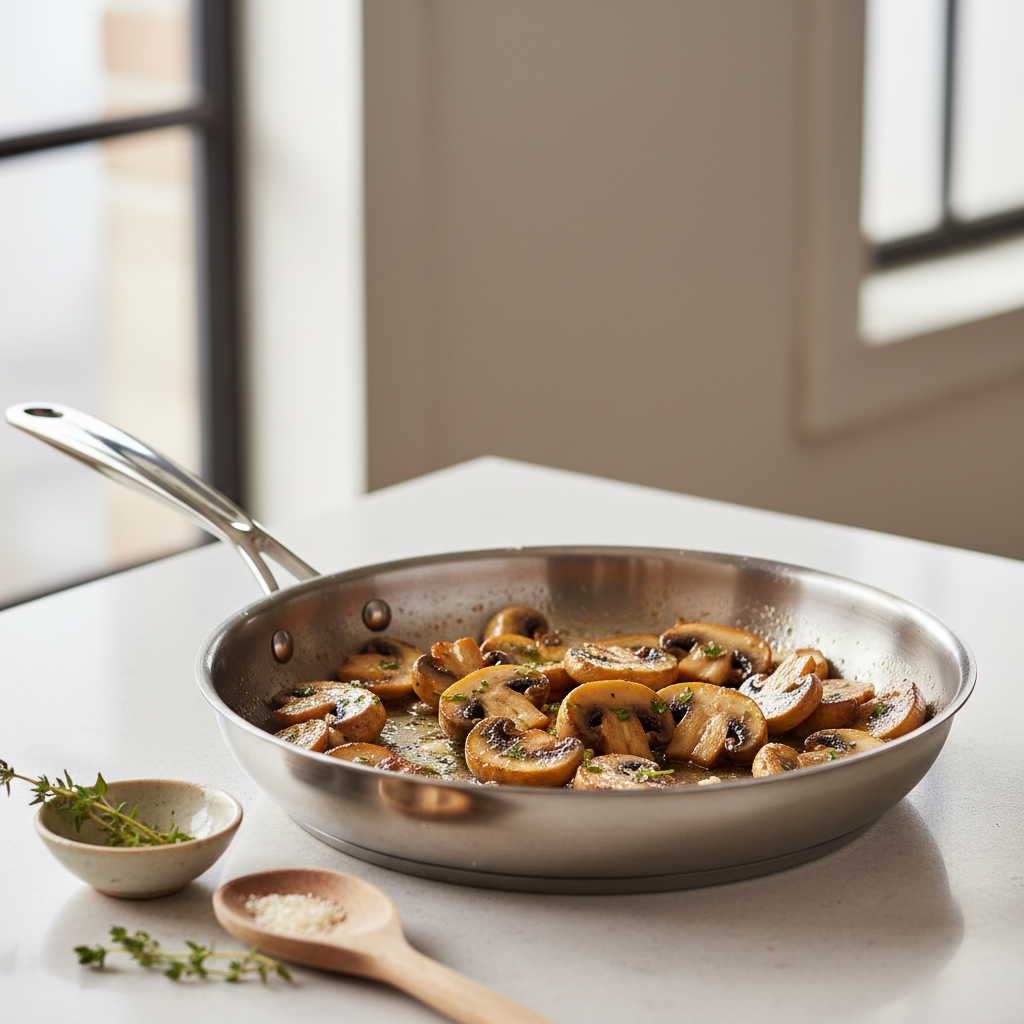
This guide focuses on what actually changes the outcome: how to prep, when to salt, when to add butter, and how long to wait before stirring. You’ll also get a quick timing table and a few variations for steak, pasta, toast, or a simple side.
What makes mushrooms “buttery and tasty” (the simple science)
Mushrooms taste best when they brown deeply and stay juicy, which sounds contradictory until you remember they start with a lot of water. The goal is to evaporate moisture first, then build flavor in fat.
- Moisture management: mushrooms release water quickly, especially when salted early or crowded.
- Maillard browning: that savory, roasted flavor happens when the surface dries and the pan stays hot.
- Butter timing: butter adds flavor but can burn if the pan is too hot for too long, or if added before water cooks off.
According to the USDA, mushrooms should be cooked to a safe internal temperature if you’re serving them hot, and proper cooking also improves texture for many people.
Choose the right mushrooms and prep them fast (without overthinking)
Most grocery-store mushrooms work, but the “buttery” result is easier with varieties that brown well.
Best picks for everyday cooking
- Cremini (baby bella): deeper flavor than white buttons, very forgiving in the pan.
- White button: mild, still great if you brown them properly.
- Shiitatke: meatier, more umami, but stems can stay tough.
- Oyster: fast-cooking and delicate, watch the heat.
Cleaning and cutting that won’t sabotage browning
- Skip soaking. If they look dusty, wipe with a damp paper towel or give a quick rinse, then dry thoroughly.
- Cut size matters: slices cook evenly, halves give more bite, quarters brown slower but stay juicy.
- Trim woody stems on shiitake; save stems for stock if you want.
If you’re trying to figure out how to cook mushrooms buttery tasty, start here: dry mushrooms + consistent pieces make the rest easier.
The core method: brown first, butter later
This is the method that most reliably avoids the “steamed mushroom” problem. It looks almost too simple, but it works in a normal home kitchen.
What you need
- 12 oz mushrooms (about 340 g), cleaned and cut
- 1–2 tbsp neutral oil (avocado, canola, grapeseed)
- 1–2 tbsp butter
- Kosher salt, black pepper
- Optional: garlic, thyme, lemon, soy sauce, parsley
Step-by-step (with the “don’t touch it” timing)
- Preheat the pan over medium-high until it feels hot (water droplet sizzles and evaporates quickly).
- Add oil, then add mushrooms in a single layer. If your pan can’t fit them, cook in batches.
- Leave them alone for 3–4 minutes, so the first side browns.
- Stir and keep cooking 4–6 minutes, until the pan looks drier and the mushrooms start taking on color.
- Add butter now, toss to coat, then cook 1–2 minutes for nutty aroma.
- Season with salt and pepper near the end, then finish with herbs or a tiny squeeze of lemon.
Why this order works: oil handles higher heat while mushrooms shed water; butter comes in once the pan stops “boiling,” so it flavors instead of steaming.
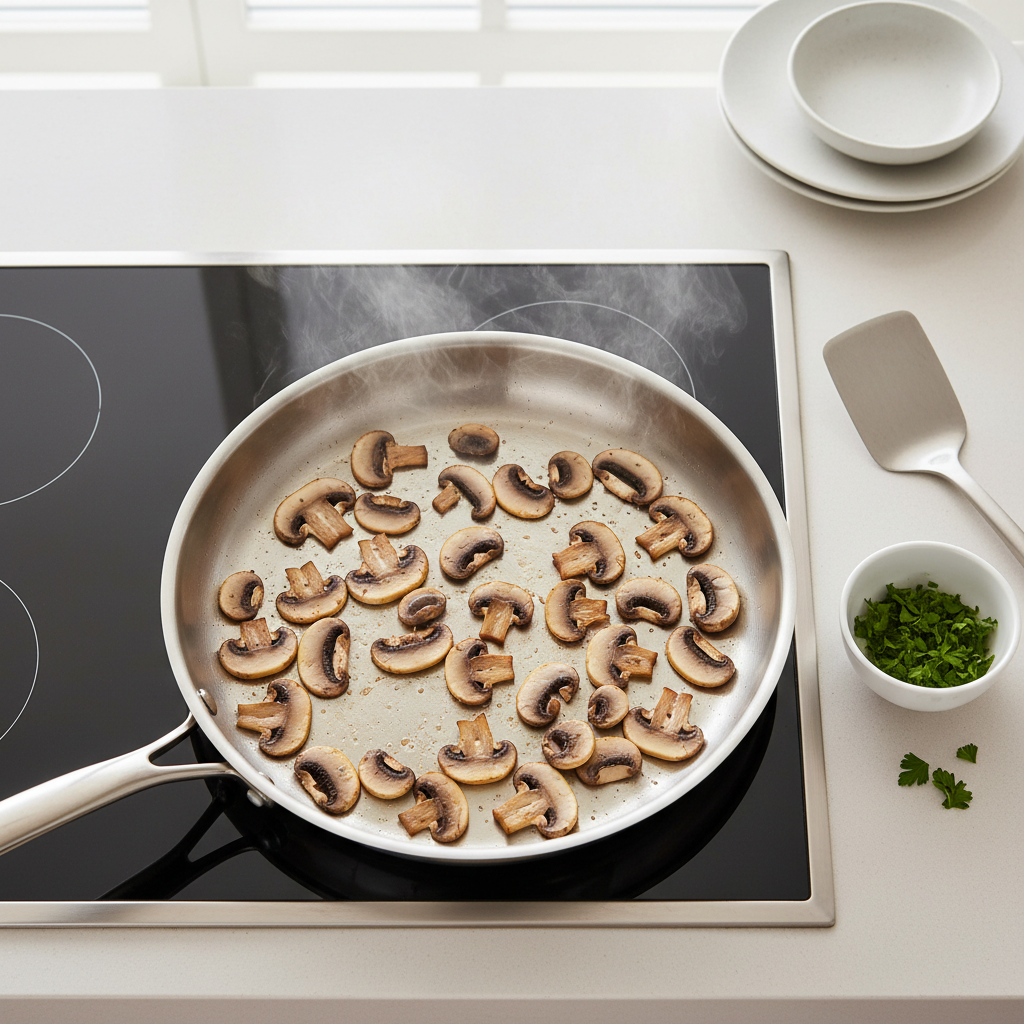
One more practical note: if you see a lot of liquid pooling early, that’s normal. Keep the heat steady and resist the urge to dump in butter immediately, you’ll get better color if you let that moisture cook off.
Quick timing table: doneness, texture, and best uses
Times vary by stove and pan, but this table helps you aim for the result you want without guessing.
| Goal | Visual cue | Approx. time | Best for |
|---|---|---|---|
| Soft and juicy | Collapsed, light browning | 6–8 min | Omelets, quick sides |
| Deeply browned | Golden edges, pan mostly dry | 9–12 min | Steak topping, burgers |
| Crispier edges | Smaller pieces, darker spots | 12–15 min | Grain bowls, toast |
For how to cook mushrooms buttery tasty, most people prefer the “deeply browned” zone, because butter reads richer when the mushrooms already taste roasted.
Flavor upgrades that still taste like mushrooms (not just garlic butter)
Butter is the base, but a few small add-ons can push the flavor without turning the dish into a one-note sauce.
Pick one “direction”
- Steakhouse: thyme + black pepper + a splash of Worcestershire near the end.
- Italian-ish: garlic + parsley + a little grated Parmesan off heat.
- Umami boost: 1 tsp soy sauce or miso stirred into butter at the end, go easy on salt.
- Bright finish: lemon zest or a small squeeze of lemon after the heat is off.
- Spicy: pinch of chili flakes in the butter for 30 seconds.
Garlic deserves its own caution: add it after the mushrooms brown, usually with the butter, because garlic can burn fast at medium-high heat.
Self-check: why your mushrooms aren’t turning out right
If you keep missing the “buttery, tasty” target, it’s typically one of these issues.
- Crowded pan: mushrooms steam instead of brown. Fix: use a wider pan or cook in two rounds.
- Heat too low: the water never evaporates quickly. Fix: preheat longer, raise heat slightly once mushrooms go in.
- Stirring too soon: no contact time, no crust. Fix: wait 3–4 minutes before the first stir.
- Salt too early: draws water early and delays browning. Fix: salt near the end, or after browning starts.
- Butter too early: flavor gets muted, butter may brown too much while mushrooms still release water. Fix: add butter after the pan looks drier.
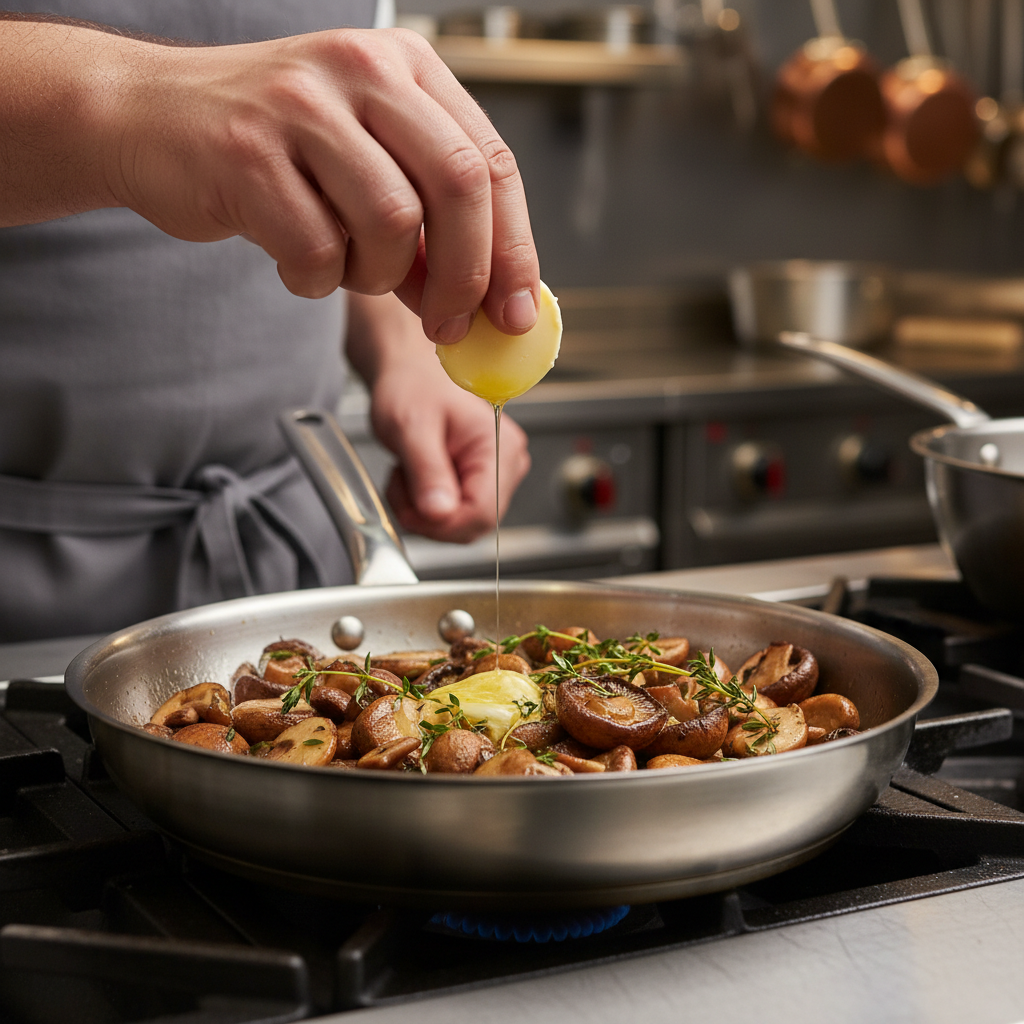
Also worth saying out loud: some nonstick pans brown less aggressively than stainless or cast iron. You can still get good results, but you may need a bit more time.
Practical serving ideas (so they don’t just sit on the plate)
Once you nail how to cook mushrooms buttery tasty, you’ll start finding excuses to make them. Here are a few ways they fit into real meals.
- On toast: spoon over sourdough, add a fried egg or ricotta.
- Pasta: toss with cooked noodles, a splash of pasta water, Parmesan, and black pepper.
- Steak or chicken: pile on top, finish with flaky salt.
- Rice bowl: add to rice with spinach, scallions, and a soft-boiled egg.
- Breakfast: fold into scrambled eggs after mushrooms finish browning.
Key takeaways: dry mushrooms, hot pan, single layer, patience before stirring, butter near the end, salt when browning starts or later.
Food safety and when to get help
If you’re cooking store-bought mushrooms, standard kitchen hygiene usually covers you: keep them refrigerated, wash hands and cutting boards, and cook thoroughly. According to the USDA, cooking foods to safe internal temperatures helps reduce foodborne illness risk, and if you have specific health concerns, it can be smart to ask a qualified professional.
Wild mushrooms are different. If you didn’t buy them from a reliable retailer, identification mistakes can be dangerous, so it’s better to consult a local expert or mycological society rather than guessing.
Conclusion: the repeatable way to get rich, browned mushrooms
Buttery mushrooms taste “restaurant good” when the pan does two jobs in order: first it drives off water and builds browning, then butter steps in to carry flavor and aroma. If you change only one habit, stop crowding the pan and stop stirring early, that alone usually gets you much closer.
Make a batch this week, then try one variation, thyme and lemon or soy-butter. If you want, jot down your pan size and timing once, after that the process becomes almost automatic.