
The best chicken alfredo recipe creamy is less about fancy ingredients and more about controlling heat, starch, and timing so your sauce stays silky instead of breaking or turning gluey.
If you’ve tried Alfredo before and ended up with clumps, oily separation, or chicken that tastes fine but feels dry, you’re not alone. Most “quick” recipes skip the little choices that actually decide whether dinner feels restaurant-level or just heavy.
This guide gives you a reliable 2026-style approach: a classic creamy base, practical substitutions, and a few guardrails that keep the sauce smooth even on a busy weeknight.
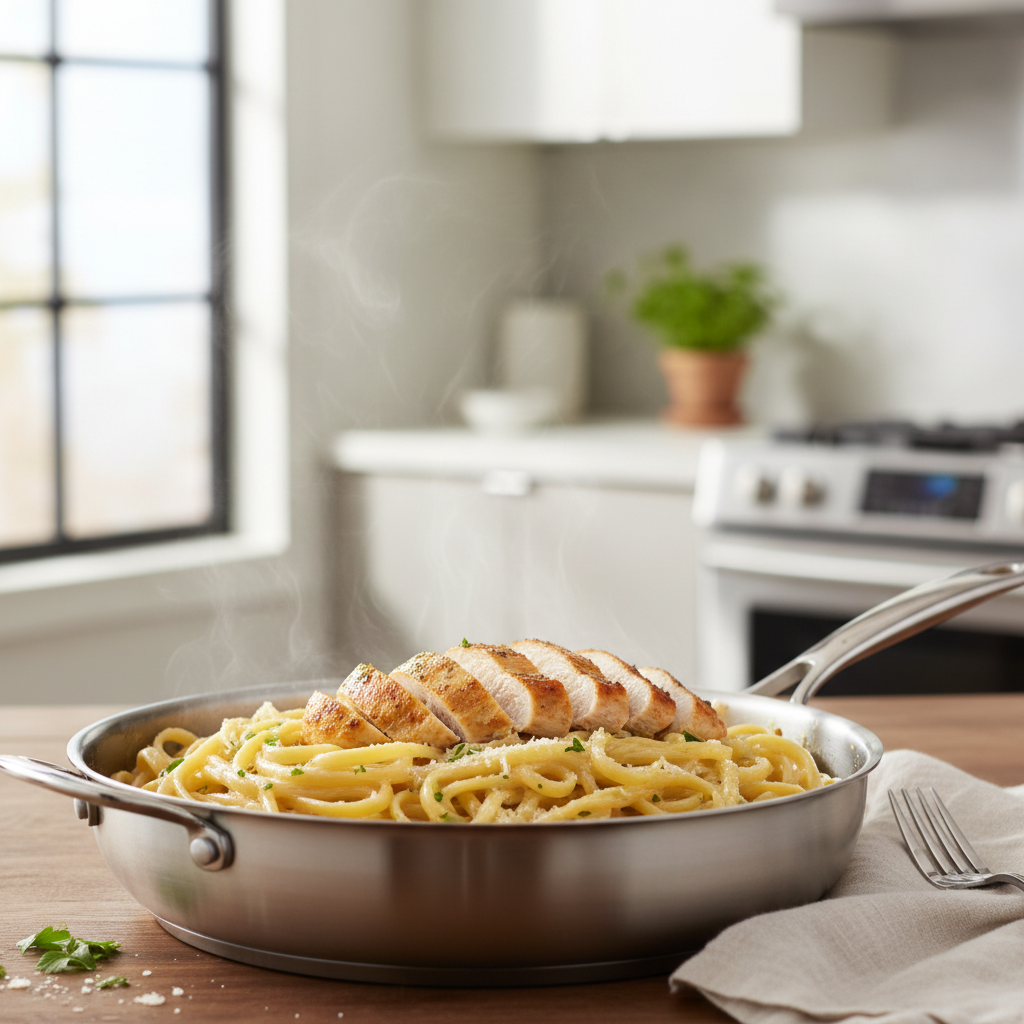
What “creamy” really means in Chicken Alfredo
Creamy Alfredo isn’t supposed to taste like melted cheese dip. A good version feels smooth, glossy, and light enough to cling to pasta without pooling oil on top.
Three things usually decide it:
- Gentle heat: high heat makes dairy split and turns Parmesan gritty.
- Starch management: pasta water helps emulsify (bind) fat and water into a stable sauce.
- Cheese timing: Parmesan goes in off-heat or on very low heat, not at a boil.
According to USDA guidance on food safety, chicken should reach 165°F internal temperature; that matters here because overcooking to “be safe” often dries the meat and pushes you to drown it in sauce.
Ingredients for a creamy, balanced Alfredo (with smart swaps)
Here’s the core lineup for a version most people would call the best chicken alfredo recipe creamy at home because it tastes rich but not heavy and it reheats better than you’d expect.
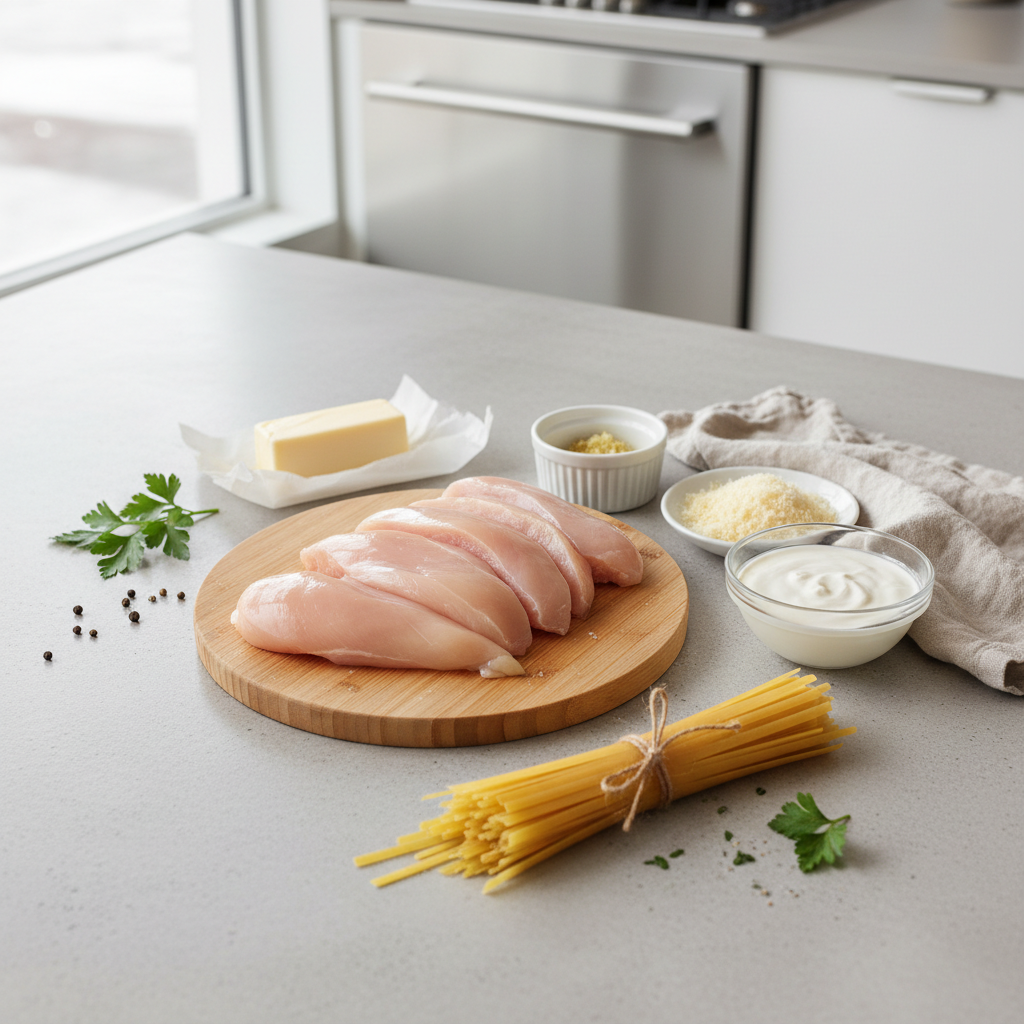
Core ingredients (serves 4)
- 12 oz fettuccine (or linguine)
- 1 to 1.25 lb chicken breast or thighs, sliced
- 2 tbsp butter
- 3 to 4 cloves garlic, minced
- 1 cup heavy cream
- 1 cup finely grated Parmesan (not the shelf-stable shaker if you can help it)
- Salt and black pepper
- Optional: pinch of nutmeg, lemon zest, parsley
Swap table (what changes, what stays true)
| Ingredient | Swap | What to expect |
|---|---|---|
| Heavy cream | Half-and-half + 1–2 tbsp cream cheese | Still creamy, slightly tangier, less likely to feel greasy |
| Parmesan | Pecorino Romano (use less) | Saltier, sharper finish, great if you like bite |
| Fettuccine | Penne or rigatoni | More sauce trapped inside, good for meal prep |
| Chicken breast | Boneless thighs | Juicier, more forgiving if you run a little hot |
If you’re gluten-free, a sturdy GF pasta works, but keep extra pasta water handy because some brands absorb more liquid and the sauce thickens fast.
Step-by-step: best creamy Chicken Alfredo (no grainy sauce)
This method is built around one goal: sauce that stays cohesive. If you follow the order, you avoid most “why is it separating?” moments.
1) Cook pasta and save the right pasta water
- Boil well-salted water, cook pasta until just al dente.
- Reserve 1 to 1.5 cups pasta water before draining.
- Drain pasta, don’t rinse.
2) Sear chicken without drying it out
- Pat chicken dry, season with salt and pepper.
- Sear in a hot pan with a little butter or oil, 3–5 minutes per side depending on thickness.
- Pull chicken when it hits 165°F (or just before, then rest until it carries over).
Resting isn’t fussy, it’s practical. Cut too early and the juices run out, then the chicken feels stringy in creamy sauce.
3) Build the sauce (low heat wins)
- Lower heat to medium-low, add butter, then garlic for 20–30 seconds until fragrant.
- Pour in cream and warm until steaming, not boiling.
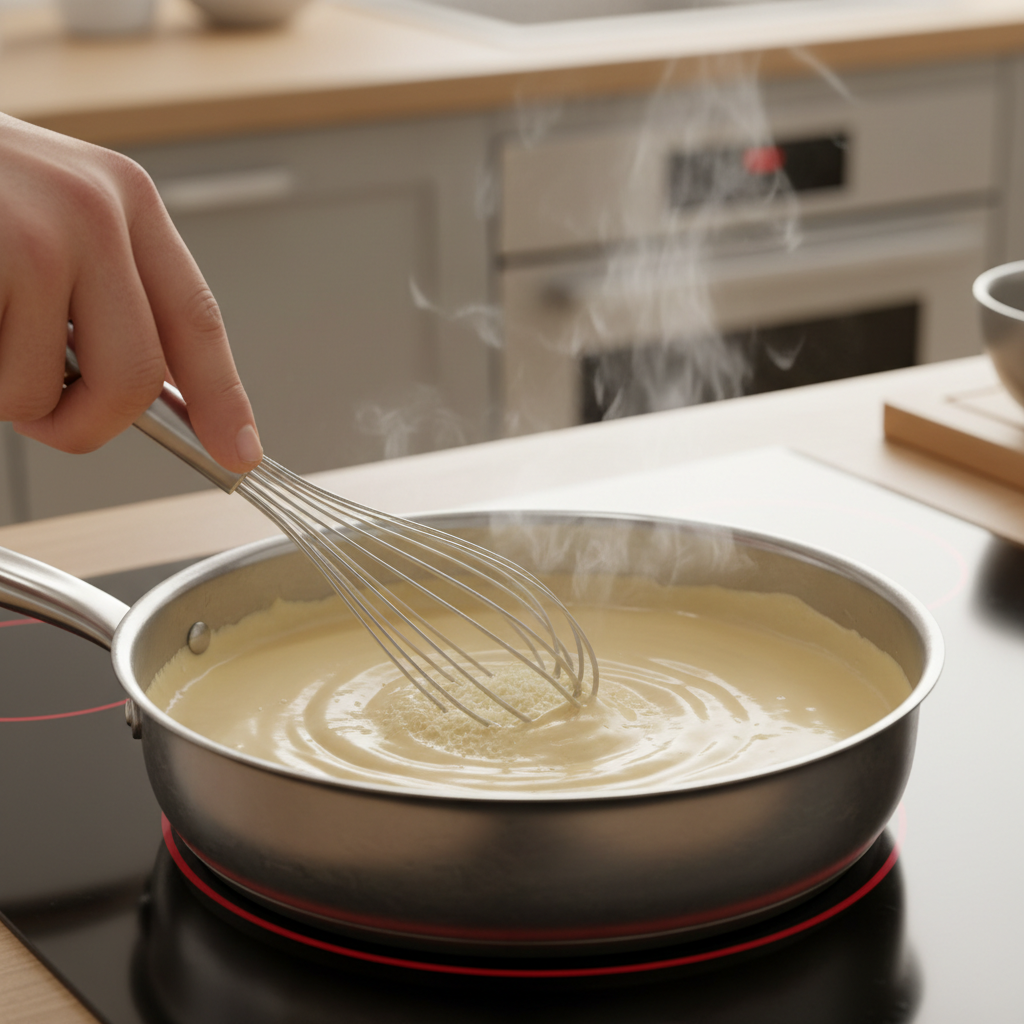
- Turn heat to low, add Parmesan in small handfuls, whisking until smooth.
- Add a splash of reserved pasta water to loosen and create shine.
4) Combine and finish
- Toss pasta directly into sauce, add more pasta water as needed.
- Slice chicken, fold in (or serve on top).
- Finish with black pepper, parsley, optional lemon zest.
At this point you should have a sauce that coats the back of a spoon, and the pasta should look glossy rather than drowned.
Quick self-check: what’s going wrong (and how to fix it fast)
When people say they want the best chicken alfredo recipe creamy, they often mean “please help me stop making the same three mistakes.” Use this checklist mid-cook.
- Sauce looks oily: heat is too high. Pull off the burner, whisk in a few tablespoons pasta water.
- Sauce feels gritty: Parmesan added while simmering hard, or cheese is too coarse. Cool slightly, whisk longer, add a touch more cream if needed.
- Sauce turns too thick: it’s cooling and tightening. Add pasta water 1–2 tbsp at a time until it loosens.
- Chicken tastes dry: likely overcooked. Next time use thighs or cut breasts thinner for quicker sear.
- Flavor feels flat: needs salt, pepper, and a small lift like lemon zest or a pinch of nutmeg.
Make it your way: 4 popular variations that still stay creamy
You can tweak Alfredo without breaking the sauce, but the “rules” stay the same: low heat, add cheese gently, use pasta water.
Garlic-forward (restaurant vibe)
- Double the garlic, but keep cook time short so it doesn’t turn bitter.
- Add a small squeeze of lemon at the end, not earlier.
Broccoli Chicken Alfredo (weeknight classic)
- Blanch broccoli in the pasta water for 2 minutes before pasta finishes.
- Toss broccoli in at the end so it stays bright.
Spicy creamy Alfredo
- Add red pepper flakes to the butter and garlic step.
- Finish with cracked pepper for heat that reads “fresh,” not harsh.
Lighter-feeling (not “diet,” just less heavy)
- Use half-and-half plus a spoon of cream cheese, keep Parmesan slightly lower.
- Lean on pasta water for body instead of extra cheese.
Practical tips: timing, reheating, and leftovers that don’t turn into paste
Cream sauces can be picky the next day, but you can keep leftovers pleasant with a couple habits.
- Undersauce slightly: stop when it looks a touch looser than perfect, it tightens as it sits.
- Store with a splash of liquid: a tablespoon of cream or milk in the container helps later.
- Reheat low and slow: microwave at 50–60% power, stir often, or use a skillet on low.
- Add water before more cheese: when it’s thick, pasta water (or plain water) often fixes texture better than extra Parmesan.
If you’re serving guests, cook pasta and chicken ahead, then build the sauce fresh. That’s the easiest way to keep the creamy texture consistent.
Key takeaways (so you can repeat the win)
- Low heat makes creamy Alfredo possible; boiling is the fastest way to split dairy.
- Pasta water is your emulsifier, it brings gloss and helps sauce cling.
- Parmesan goes in gradually and ideally off-heat or on very low heat.
- Chicken doneness matters: cook to 165°F, then rest for juicier slices.
Once you cook it this way a couple times, the best chicken alfredo recipe creamy stops being a “special occasion” thing and becomes a dependable dinner you can adjust for whatever you have in the fridge.
Conclusion: your next batch should taste rich, not heavy
If your Alfredo has been breaking, clumping, or feeling oddly dull, don’t overcorrect with more cheese or higher heat. Keep the burner gentle, save enough pasta water, and treat Parmesan like a finish ingredient, not something to boil.
Pick one improvement for your next run, usually it’s “lower heat” or “more pasta water,” and you’ll notice the difference immediately. If you want, print this ingredient list and the self-check section, that’s the part people reach for mid-cook.