
best pizza recipes homemade easy usually come down to a few repeatable moves: a reliable dough (or smart shortcut), a hot oven, and toppings that don’t drown the crust. If your homemade pies keep turning out pale, floppy, or weirdly watery, it’s rarely “your oven hates you” and more often one small technique issue.
This guide is built for real weeknights and regular kitchens, not restaurant gear. You’ll get a couple of dependable dough paths, a simple sauce that tastes like you tried harder than you did, and a handful of pizza styles that cover most cravings without turning your kitchen into a project.
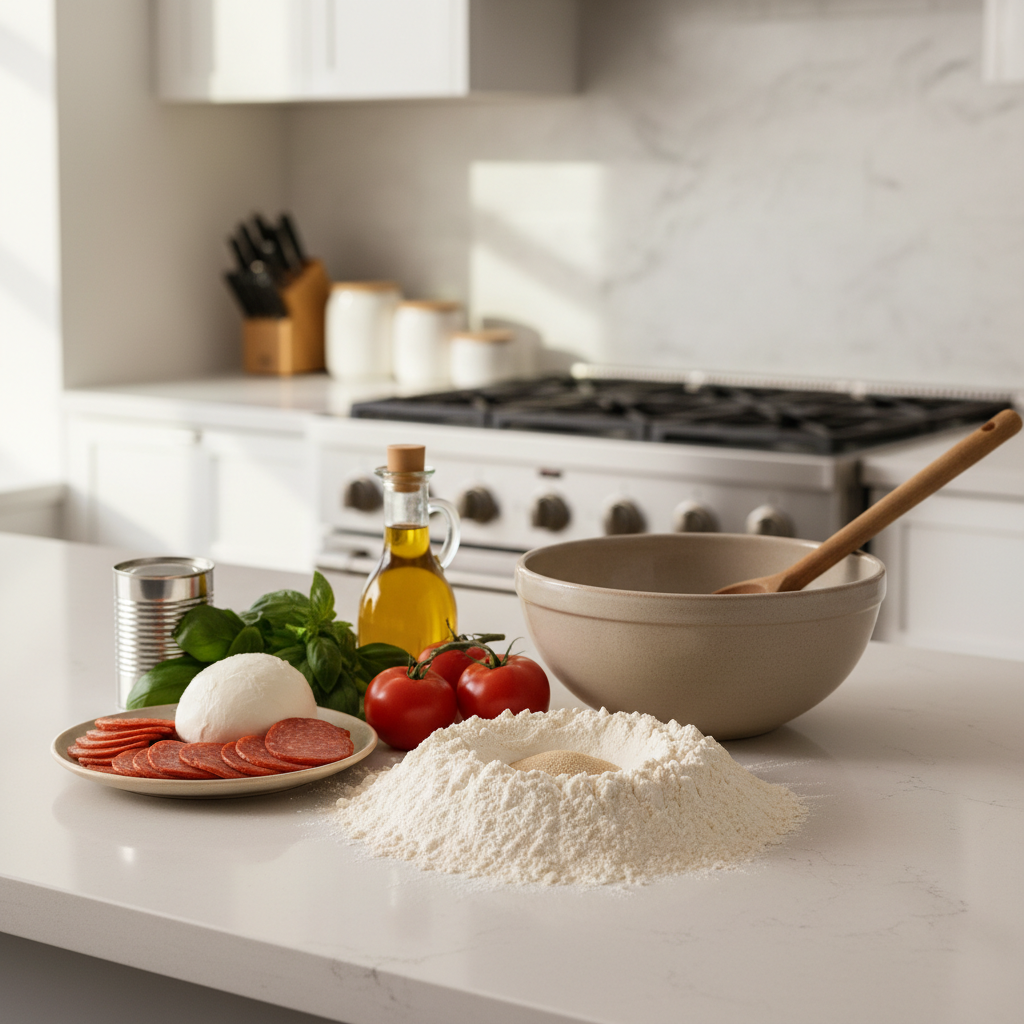
I’ll also call out the common traps, like too much sauce, cold dough, or underheated pans. You don’t need perfection, you need a repeatable system that makes pizza night feel easy again.
What “easy” really means for homemade pizza (and what usually goes wrong)
Easy pizza isn’t one magic recipe, it’s removing the fragile steps. Most home pizza fails fall into a few buckets.
- Not enough heat under the crust: baking sheets don’t store heat like stone or steel, so the bottom stays blond.
- Overloading wet toppings: fresh mozzarella, mushrooms, pineapple, and extra sauce can release water and turn the center soft.
- Dough not ready: dough that’s too cold or under-proofed resists stretching, then bakes dense.
- Flour choices and measuring: scooping flour can pack it; the dough turns dry and hard to work.
According to USDA Food Safety and Inspection Service, perishable foods like cheese and meats should not sit out at room temperature for more than 2 hours, and only 1 hour if it’s above 90°F, so set up toppings quickly and refrigerate leftovers promptly.
A quick decision table: pick your pizza path in 10 seconds
If you’re trying to get dinner on the table without guessing, choose based on time and tools. This is the kind of simple planning that makes the “best pizza recipes homemade easy” claim actually true in practice.
| What you have | Best approach | Why it works | Watch out for |
|---|---|---|---|
| 90 minutes | Same-day dough | Best texture without overnight planning | Don’t rush the rise |
| 20–30 minutes | Store-bought dough or naan | Great “weeknight” results fast | Preheat pan so bottom browns |
| Cast iron skillet | Skillet pizza | Strong bottom heat, crisp edges | Oil the pan lightly, not heavily |
| Sheet pan | Grandma/Sicilian style | Thicker crust tolerates home ovens | Don’t drown in sauce |
The “no-drama” pizza dough: two options that behave well
If you want consistent results, pick one dough approach and stick with it for a few bakes. Muscle memory matters more than fancy hydration talk.
Option A: Same-day dough (about 75–90 minutes start to bake)
- 3 1/2 cups bread flour (or all-purpose if that’s what you have)
- 1 1/2 tsp fine salt
- 1 tsp instant yeast
- 1 1/3 cups warm water (not hot)
- 1 tbsp olive oil
Mix until shaggy, rest 10 minutes, then knead 5–7 minutes (or fold in-bowl for a few rounds). Cover and rise until puffy. If your kitchen is cool, it can take longer, don’t fight it. Divide into two balls for 12-inch pies.
Option B: “Emergency” weeknight base
- Store-bought fresh dough: let it sit at room temp 45–60 minutes so it stretches without tearing.
- Naan or pita: fast and surprisingly good if you keep toppings light.
- Tortilla: crispy thin crust, but it goes from perfect to burnt fast.
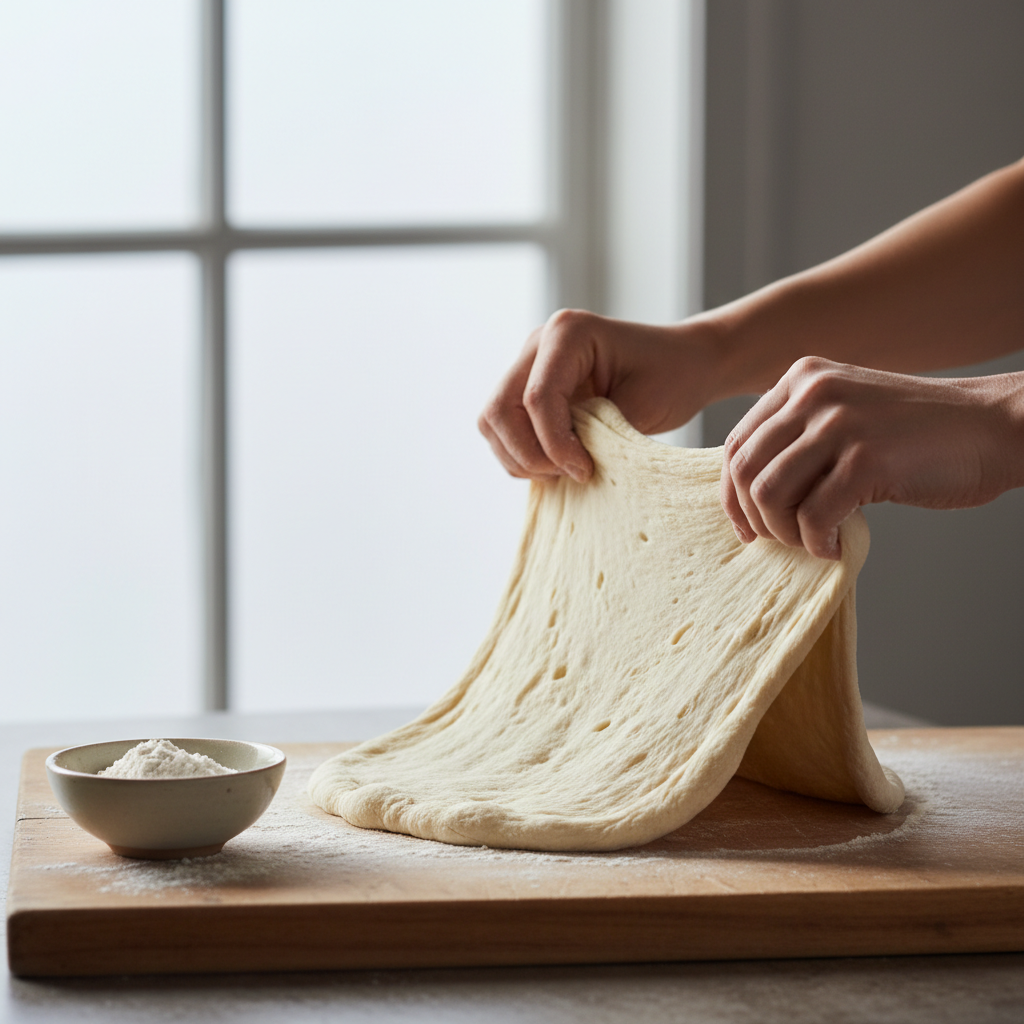
Key point: dough temperature drives workability. Cold dough fights back, then bakes tight. Room-temp dough stretches easier and bakes lighter.
Simple sauce and cheese rules that avoid soggy pizza
Sauce doesn’t need to be cooked for a great home pizza, but it does need restraint. A lot of “bad homemade pizza” is just too much moisture.
5-minute uncooked sauce
- 1/2 cup crushed tomatoes (or blended canned whole tomatoes)
- 1 small grated garlic clove
- Pinch of salt
- Drizzle olive oil
- Optional: pinch oregano or chili flakes
Stir, taste, stop. If it tastes slightly too bold, it usually bakes into balance.
Cheese that melts well at home
- Low-moisture mozzarella: reliable melt and less pooling.
- Fresh mozzarella: great flavor, but pat dry and use sparingly.
- Parmesan: finish with a light shower for salty depth.
Easy rule: for a 12-inch pizza, start with 1/3 to 1/2 cup sauce and about 6–8 oz cheese. More than that can weigh the center down.
Best easy homemade pizza recipes (pick one and repeat)
These are flexible, not fussy. Once you nail the base technique, you can rotate toppings without relearning everything.
1) Classic pepperoni with crispy edges
- Spread a thin layer of sauce, add mozzarella, then pepperoni
- Finish with a pinch of oregano after baking
- Tip: cup-and-char style pepperoni often crisps better, but any works if oven is hot
2) Margherita-ish (home oven friendly)
- Use low-moisture mozzarella as the base
- Add a few pieces of fresh mozzarella, well dried
- After baking, add basil and a small olive oil drizzle
3) Sheet-pan “Grandma” pizza (easy crowd-size)
- Oil a sheet pan lightly, press dough outward, rest 10 minutes, press again
- Top with mozzarella first, then dotted sauce (yes, reverse order)
- Bake until edges turn deep golden
4) Skillet pizza (crispy bottom, minimal stress)
- Preheat skillet in oven, carefully add a small amount of oil
- Lay in stretched dough, add toppings quickly
- Bake until bottom browns and cheese bubbles
5) Veggie “no puddles” pizza
- Pre-cook high-water veggies: mushrooms, zucchini, spinach
- Use thinly sliced onions and bell peppers sparingly
- Add arugula after baking for freshness without steam
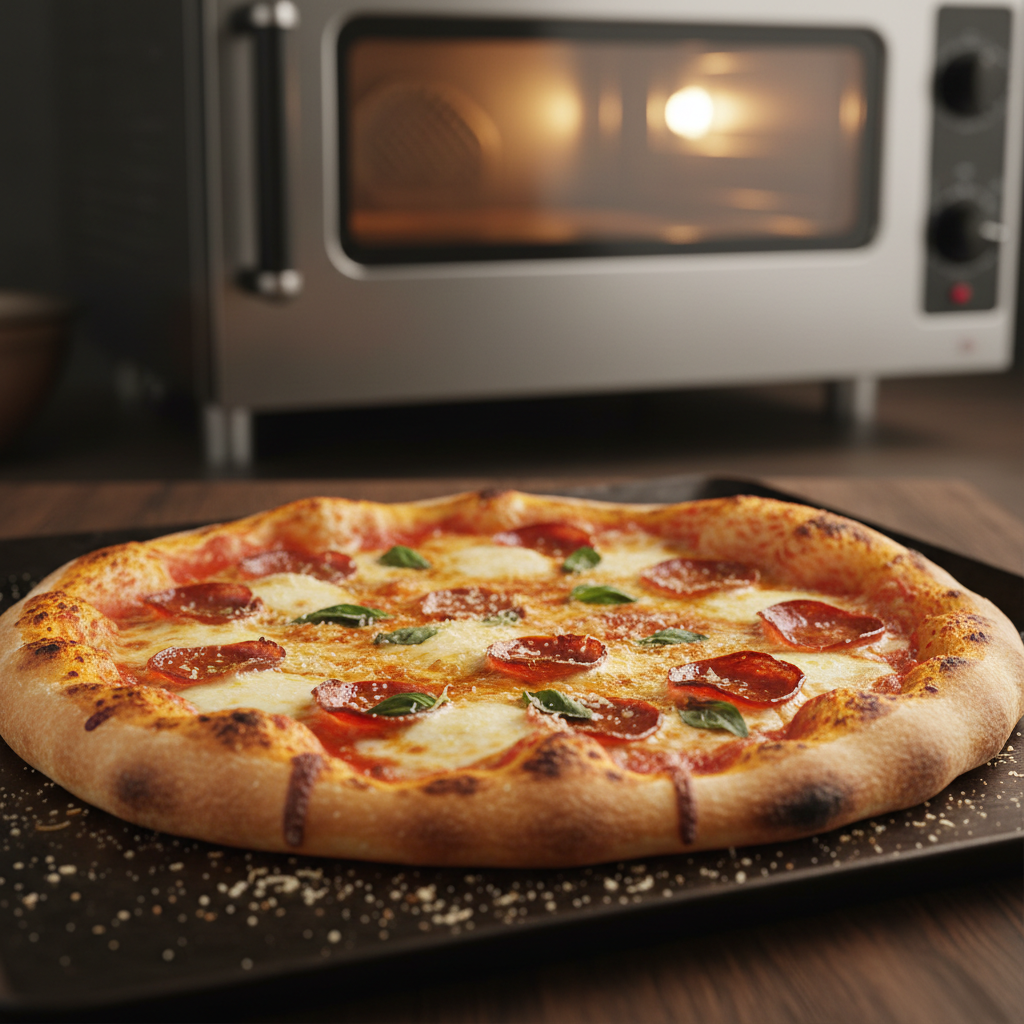
Step-by-step: bake it so the crust actually browns
This is the practical routine that makes home pizza feel predictable.
- Preheat longer than you think: 30–45 minutes helps your pan/steel store heat, not just your air.
- Go hot: use your oven’s highest setting that feels safe for your setup, many home ovens do 500–550°F.
- Use the right rack: middle-high often balances bottom browning and top melt, but if your bottoms stay pale, go lower.
- Build fast: topped dough sitting on the counter absorbs moisture and sticks.
- Finish strategically: if the top needs color, a short broil can help, but watch closely because it turns fast.
Key takeaway: heat management beats complicated recipes. When people search best pizza recipes homemade easy, they usually want a method that forgives an average oven.
Common mistakes (and small fixes that matter)
- “My pizza sticks”: use parchment on a sheet pan, or dust peel with semolina. Also, don’t let a dressed pizza sit around.
- “Center is wet”: reduce sauce, pre-cook watery toppings, and switch to low-moisture mozzarella.
- “Crust is tough”: flour may be high, kneading may be aggressive, or dough didn’t rest enough. Add rest time, measure flour more gently.
- “No flavor”: salt the dough properly and finish with a little parmesan or chili oil after baking.
- “Burnt top, pale bottom”: lower rack, longer preheat, or use a preheated skillet/steel if you have one.
When it’s worth upgrading tools (and when it’s not)
You don’t need gear to make good pizza, but a couple upgrades can shorten the learning curve.
- Baking steel or stone: stronger bottom heat, better spring. Steel often browns faster; stone can be more forgiving.
- Digital scale: less flour guessing, more consistent dough.
- Instant-read thermometer: helpful for dough water temp and leftover reheating safety.
But if your main issue is sogginess, buying tools won’t fix heavy sauce and wet toppings. Nail the basics first, then decide.
Wrap-up: make “easy” repeatable
Good pizza at home is mostly a pattern: warm dough, hot surface, restrained moisture, and a topping plan that fits your oven. Keep one base dough and one sauce in rotation, and your results improve fast without adding complexity.
If you want a simple next step, pick one style from the list above and cook it twice in two weeks, you’ll spot your oven’s quirks and adjust rack position and bake time with confidence.