
best pad thai recipe easy authentic is less about chasing a “secret” ingredient and more about getting the balance right: tangy tamarind, salty fish sauce, a clean hit of sweetness, and noodles that stay springy instead of mushy.
If you’ve tried making Pad Thai in the US and felt it came out too sweet, too ketchup-y, or weirdly wet, you’re not alone. Most misses come from three things: using the wrong noodle, adding sauce at the wrong time, and crowding the pan.
This guide keeps it practical. You’ll get a reliable sauce ratio, a quick shopping list for American grocery stores, and the small “restaurant moves” that make it taste authentic without turning dinner into a project.
What “easy” and “authentic” really mean for Pad Thai
Pad Thai is street food, so “authentic” usually means it cooks fast, stays aromatic, and tastes balanced. It does not mean you need a dozen specialty items or a carbon-steel wok the size of a tire.
In most home kitchens, “easy” means you prep the sauce ahead, soak noodles correctly, and cook in small batches. That’s the difference between glossy noodles and a sticky clump.
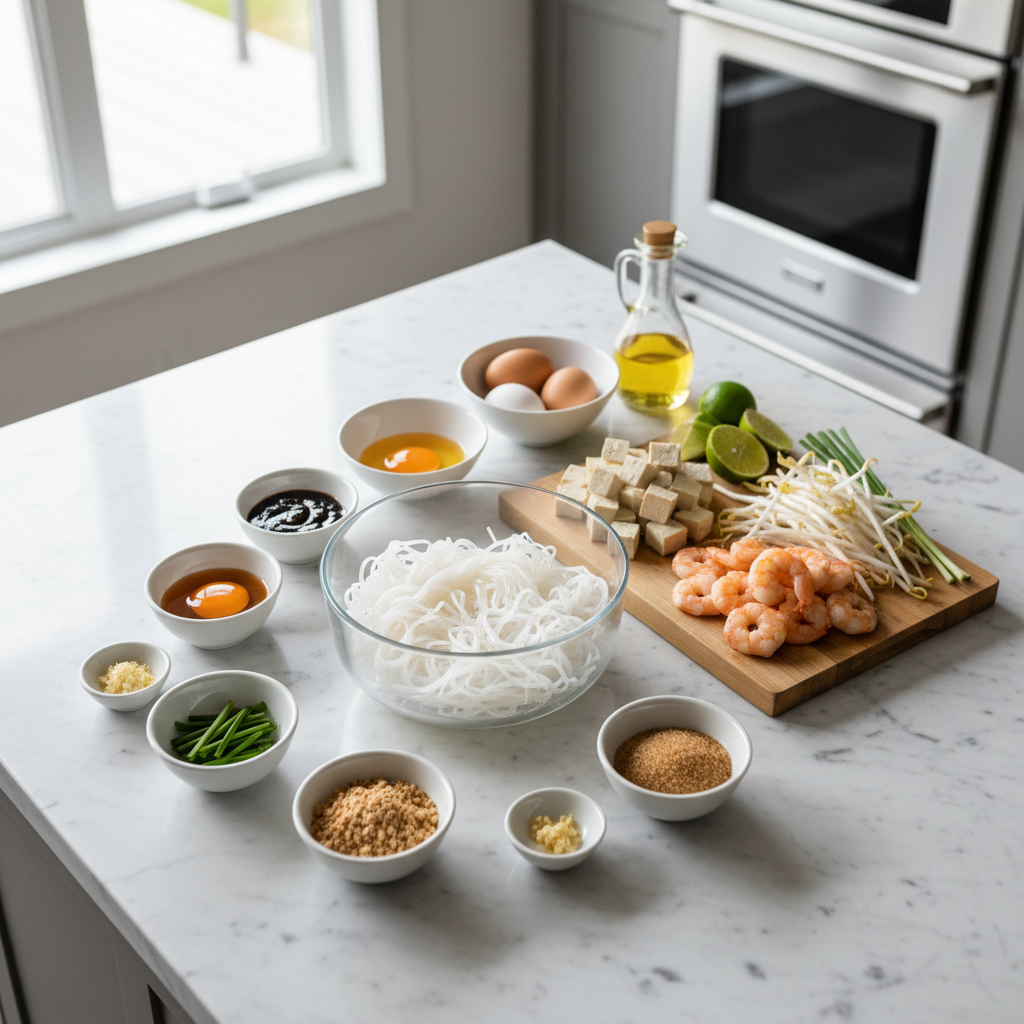
Ingredients you need (with US-friendly swaps)
For the best pad thai recipe easy authentic at home, buy what matters and swap what doesn’t. Flavor hinges on tamarind + fish sauce + sugar, plus the finishing crunch of peanuts and bean sprouts.
- Rice noodles: medium-width “Pad Thai” noodles (about 3–5 mm). In a pinch, use thin pho noodles, but watch soak time.
- Tamarind: tamarind concentrate or paste (not “Pad Thai sauce” in a bottle if you can avoid it). If you only find pulp, dissolve and strain.
- Fish sauce: adds salty depth. If you can’t use it, try soy sauce + a little extra salt, but expect a different profile.
- Sugar: palm sugar is classic; brown sugar works well and is easy to find in the US.
- Protein: shrimp, chicken, tofu, or a mix. Firm tofu browns best.
- Aromatics: garlic, shallot (optional).
- Egg: one per serving is common.
- Finishes: bean sprouts, garlic chives (or scallions), roasted peanuts, lime, optional Thai chili flakes.
Health note: fish sauce and dried shrimp can be high in sodium, and peanuts are a common allergen. If you cook for someone with medical dietary needs, it’s smart to check with a qualified professional.
The sauce formula (the part most people get wrong)
Most “bad Pad Thai” problems are sauce problems: too sweet, too sour, or flat. Here’s a simple sauce you can memorize and adjust after one try.
Classic-style Pad Thai sauce (about 2 servings)
- 2 tbsp tamarind concentrate/paste
- 2 tbsp fish sauce
- 1.5–2 tbsp brown sugar (start lower if you prefer less sweet)
- 1–2 tsp water (only if your tamarind is very thick)
- Optional: 1/4 tsp chili flakes for heat
Warm it in a small pan just until the sugar dissolves, then taste. You want “whoa, intense” in the saucepan, because noodles and egg will mellow it out.
According to USDA FoodData Central... actually, it doesn’t publish “authentic Pad Thai” rules, but it does underline something practical: ingredients like fish sauce and sugar vary by brand, so tasting and adjusting is normal rather than a sign you did it wrong.
Step-by-step: best easy authentic Pad Thai recipe (home method)
This method aims for speed and control. Read it once, then cook. Pad Thai punishes hesitation more than lack of skill.
1) Soak the noodles (don’t boil them yet)
- Soak rice noodles in room-temp water 20–40 minutes until pliable but still firm in the center.
- Drain well. If they feel too soft already, shorten the soak next time.
2) Prep your pan plan
- Keep sauce, noodles, egg, and finishes within arm’s reach.
- Cook in 2-serving batches if your skillet is under 12 inches.
3) Cook protein and aromatics
- Heat 1–2 tbsp neutral oil over medium-high.
- Sear tofu or shrimp until mostly cooked, push to the side.
- Add garlic (and shallot), stir 10–20 seconds until fragrant.
4) Add noodles, then sauce
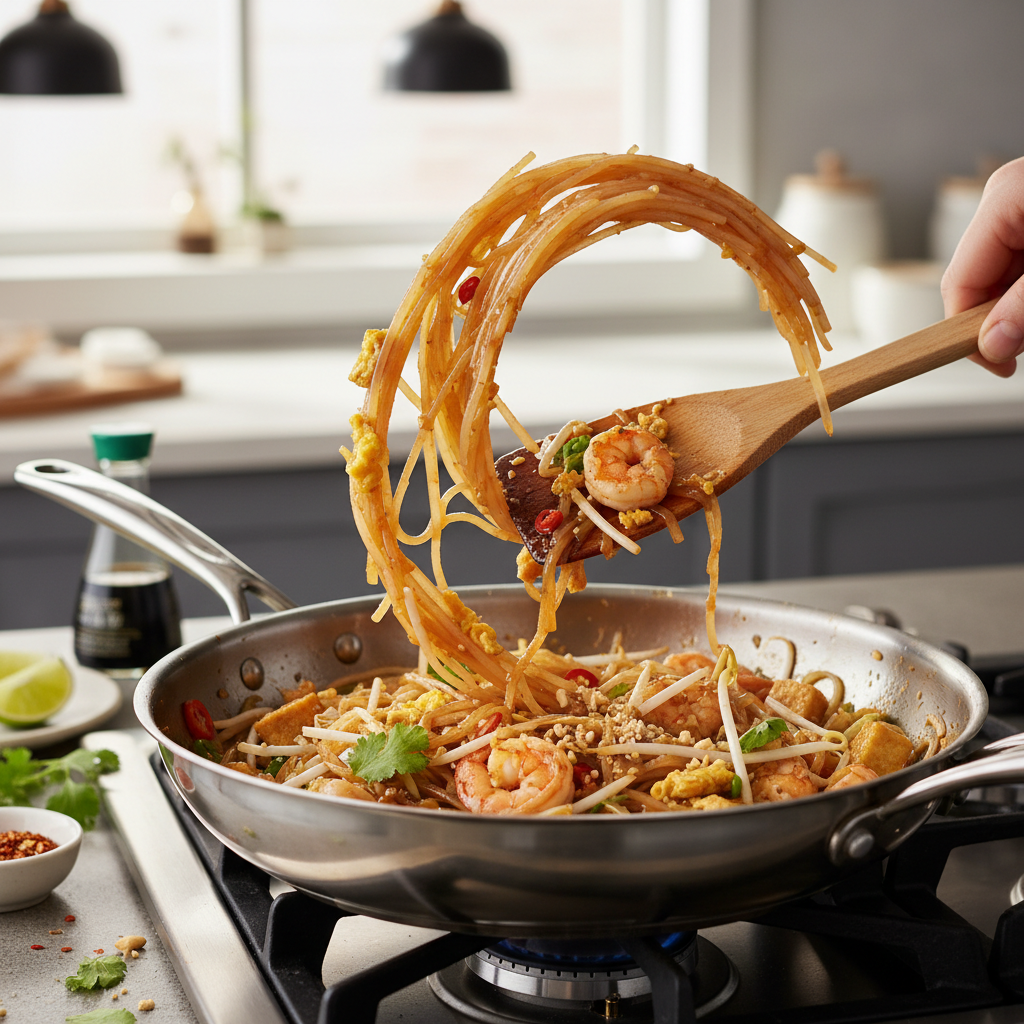
- Add drained noodles, toss to coat in oil.
- Pour in sauce around the edge of the pan so it sizzles, then toss.
- Add 2–4 tbsp water only if needed to help noodles soften and absorb sauce.
5) Scramble egg in the pan
- Push noodles aside, add a little oil if the pan looks dry.
- Crack in egg, scramble quickly, then fold into noodles.
6) Finish fast
- Turn off heat, toss in bean sprouts and chives/scallions.
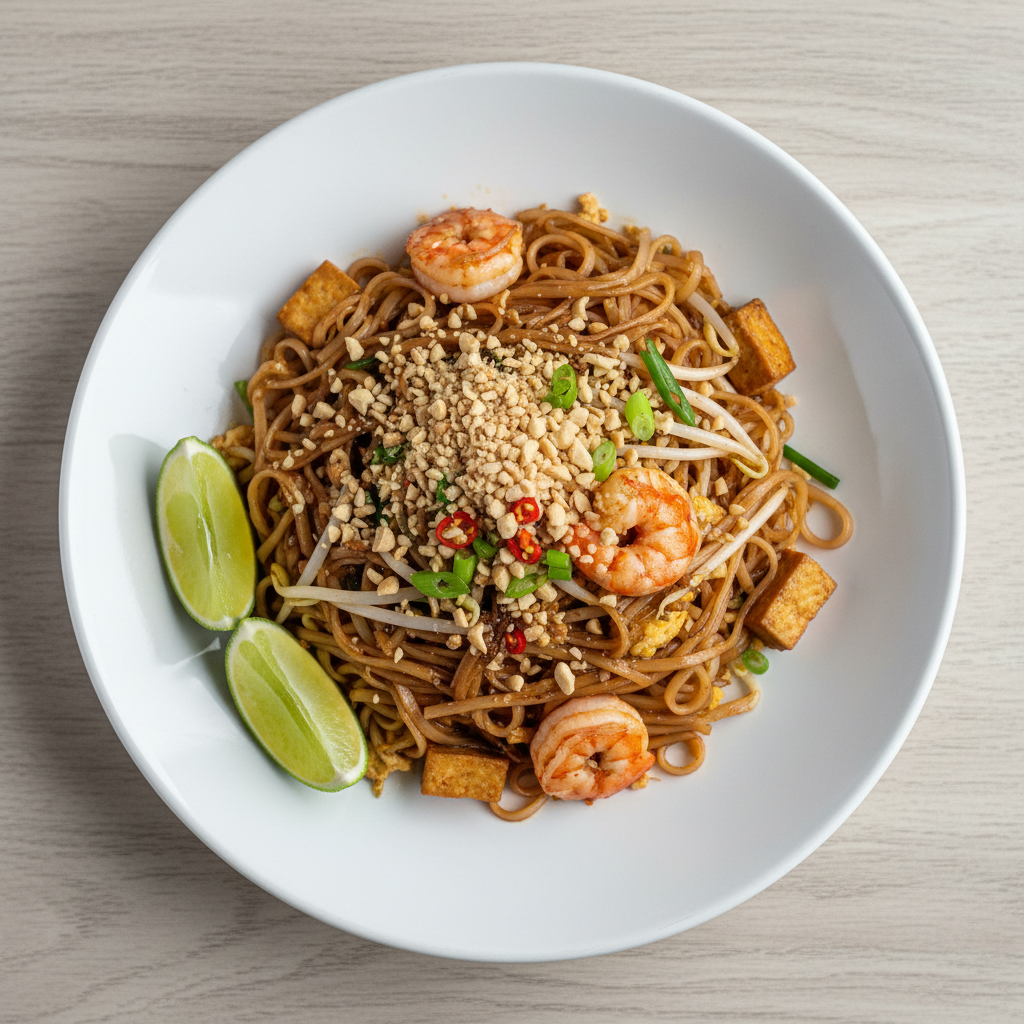
- Plate, top with peanuts, lime, and chili to taste.
Quick self-check: why your Pad Thai might be “off”
If your last attempt disappointed you, this checklist usually pinpoints the culprit within a minute.
- Too sweet: bottled sauce, too much sugar, or no sour backbone from tamarind. Cut sugar, bump tamarind slightly.
- Too sour: heavy tamarind + not enough sugar. Add a little sugar, not more lime at the end.
- Too salty: fish sauce brand varies a lot. Dilute with a splash of water while cooking, add more noodles/protein next time.
- Mushy noodles: over-soaked or boiled. Soak until barely pliable, finish softening in the pan.
- Sticky clump: not enough heat, crowded pan, sauce added too early. Cook smaller batches.
- Flat flavor: missing peanuts/lime/chives. Those finishes are not optional if you want that “Pad Thai” pop.
A small table of common swaps (and what you’ll notice)
Sometimes you cook with what you have. These swaps can work, just expect a slightly different result.
| Ingredient | Best option | US-friendly swap | What changes |
|---|---|---|---|
| Tamarind | Tamarind concentrate/paste | Mix lime + a little brown sugar (last resort) | Less deep, more “bright” sour |
| Fish sauce | Quality fish sauce | Soy sauce + pinch of salt | Less funk, more straightforward salt |
| Palm sugar | Palm sugar | Light brown sugar | Very close, slightly more molasses note |
| Garlic chives | Garlic chives | Scallions + tiny bit of minced garlic | Less herbal, still fresh |
| Dried shrimp (optional) | Dried shrimp | Skip, add extra peanuts | Less savory depth |
Practical tips that make it taste like a Thai restaurant
These are the moves that quietly upgrade the whole plate, even if you keep the ingredient list short.
- Use high heat, short time: noodles should steam and sear, not stew.
- Let sauce caramelize a bit: when it hits the hot pan edge, you get that smoky-sweet note.
- Finish with lime on the plate: cooking lime can turn bitter; a fresh squeeze stays bright.
- Toast peanuts if they’re not roasted, even 2 minutes in a dry pan helps.
- Keep bean sprouts crisp: fold them in after heat goes off.
Key takeaways, plus when to get extra help
Key takeaways: soak noodles instead of boiling, mix a real tamarind-based sauce, cook in small batches, and treat peanuts/lime/sprouts as essential finishes. That combination is what most people mean when they search best pad thai recipe easy authentic.
If you’re consistently getting a burnt pan or smoke issues, it may be your heat source and cookware rather than your recipe. Induction and electric ranges can behave differently, and nonstick pans sometimes struggle with high-heat stir-fry. If you have dietary restrictions, food allergies, or medical concerns about sodium or sugar intake, consider speaking with a qualified clinician or dietitian for personalized guidance.
Tonight’s action plan is simple: make the sauce once, soak noodles to the right texture, then cook fast and plate with lime. Your second attempt will almost always beat your first.
If you want a more “set it and forget it” setup, build a small Pad Thai pantry kit: tamarind paste, fish sauce, rice noodles, roasted peanuts, and chili flakes. After that, weeknight Pad Thai stops feeling like a special trip to the store.