
best stuffed bell peppers recipe easy is usually what people mean when they want dinner to feel homemade, without turning into a weeknight project with ten pans and a sink full of dishes.
Stuffed peppers can be amazing, but the common pain points are real: watery filling, undercooked peppers, bland meat, or peppers that collapse the moment you try to serve them. This guide focuses on the moves that actually change the outcome, not just a long ingredient list.
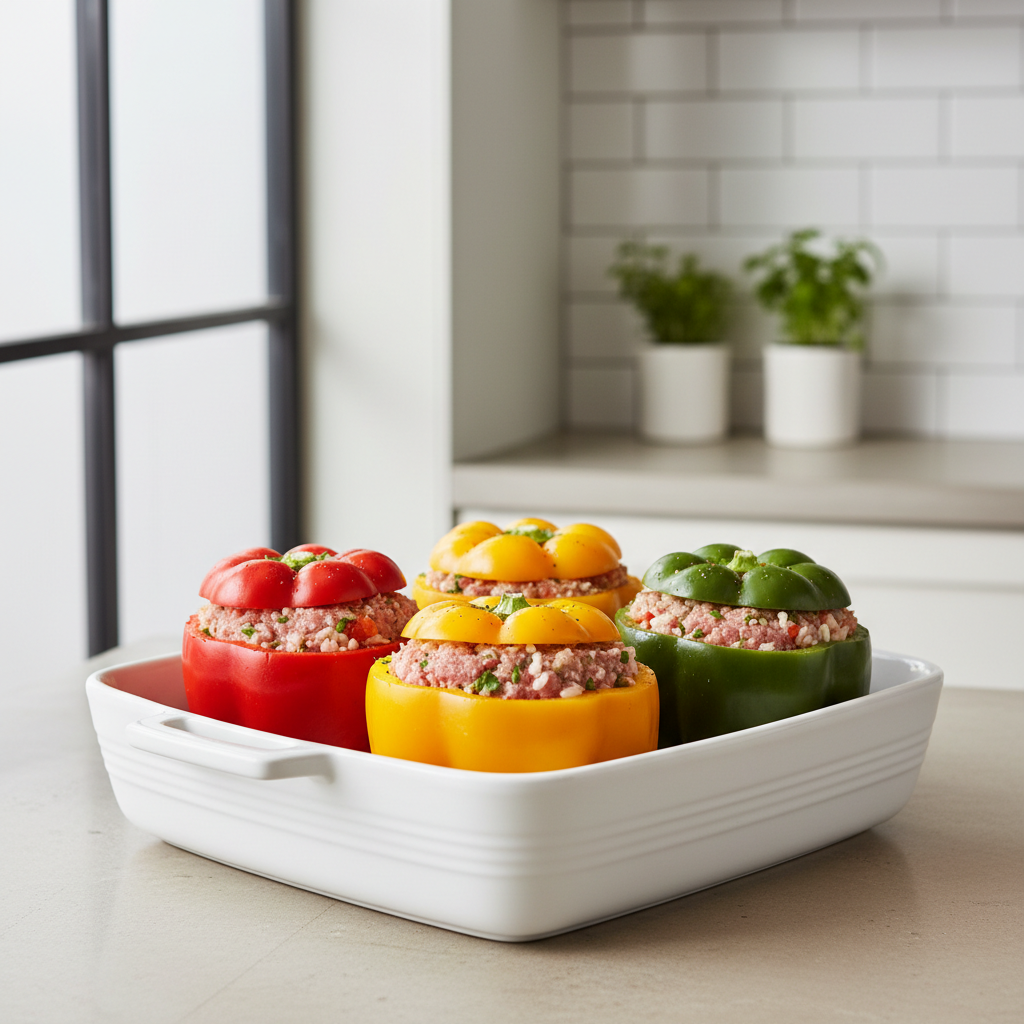
You’ll get a dependable base recipe, plus a few “if this, then that” adjustments for picky eaters, gluten-free needs, or a lighter version. I’ll also flag the small mistakes that tend to waste the most time.
What makes stuffed peppers “easy” and still worth eating
Easy doesn’t mean cutting corners on flavor, it means choosing steps that do double duty. In stuffed peppers, that usually comes down to three things: a concentrated sauce, a filling that’s already cooked, and peppers that soften evenly.
- Pre-cook the filling: raw meat inside a pepper often releases liquid and cooks unevenly, so browning first keeps texture tight.
- Build flavor early: sauté onion/garlic with the meat, then season while it’s hot so spices bloom.
- Control moisture: choose a thicker tomato base, and don’t overload with watery veg unless you cook it down.
According to USDA Food Safety and Inspection Service (USDA FSIS), ground meat should reach a safe internal temperature; for ground beef that guidance is typically 160°F. If you use turkey or chicken, check USDA guidance for the right target and consider a thermometer if you’re unsure.
Ingredients for the best easy stuffed bell peppers recipe
This is the “classic American comfort” lane: beef, rice, tomato, cheese. You can swap plenty, but this version is the most forgiving when you want the best stuffed bell peppers recipe easy to come out reliably flavorful.
- 4–6 bell peppers (medium-large, any color)
- 1 lb ground beef (85/15 works well; leaner needs more sauce)
- 1 cup cooked rice (white or brown, cooled; leftover rice is perfect)
- 1 small onion, diced
- 2–3 garlic cloves, minced
- 1–1.5 cups marinara or a thick tomato sauce
- 1–2 tbsp tomato paste (optional, but helps prevent watery filling)
- 1 tsp Italian seasoning + salt/pepper
- 1 cup shredded mozzarella (or a blend)
- Olive oil
Key point: If your sauce tastes “fine” from the jar, it often tastes flat after baking. A spoon of tomato paste, a pinch more salt, or a small splash of vinegar can make it taste like you worked harder than you did.
Step-by-step: easy method that avoids soggy peppers
Here’s the flow that tends to work in most home ovens. The goal is peppers that are tender, but still stand up on the plate.
1) Prep the peppers
- Heat oven to 375°F.
- Slice tops off peppers, remove seeds and ribs.
- Optional but helpful: par-bake peppers in a baking dish with a splash of water, covered, 10–12 minutes. This reduces the “pepper still crunchy” problem.
2) Cook the filling
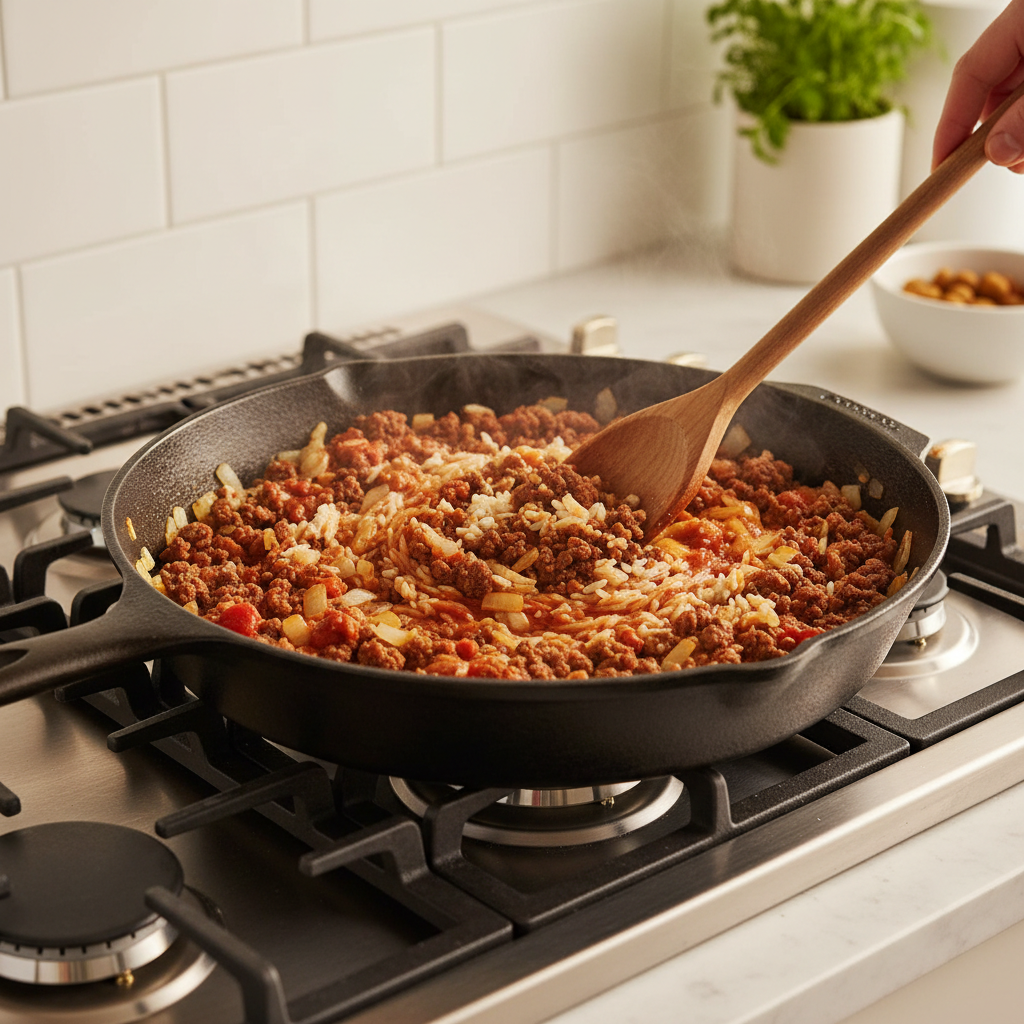
- Sauté onion in a little olive oil until soft.
- Add garlic, cook briefly so it smells fragrant.
- Add ground beef, brown and break up, season with salt and pepper.
- Stir in Italian seasoning, cooked rice, marinara, and tomato paste if using.
- Simmer 2–4 minutes so the mixture thickens slightly.
3) Stuff and bake
- Fill peppers snugly, but don’t pack until rock-hard.
- Spoon a little extra sauce over tops, then add cheese.
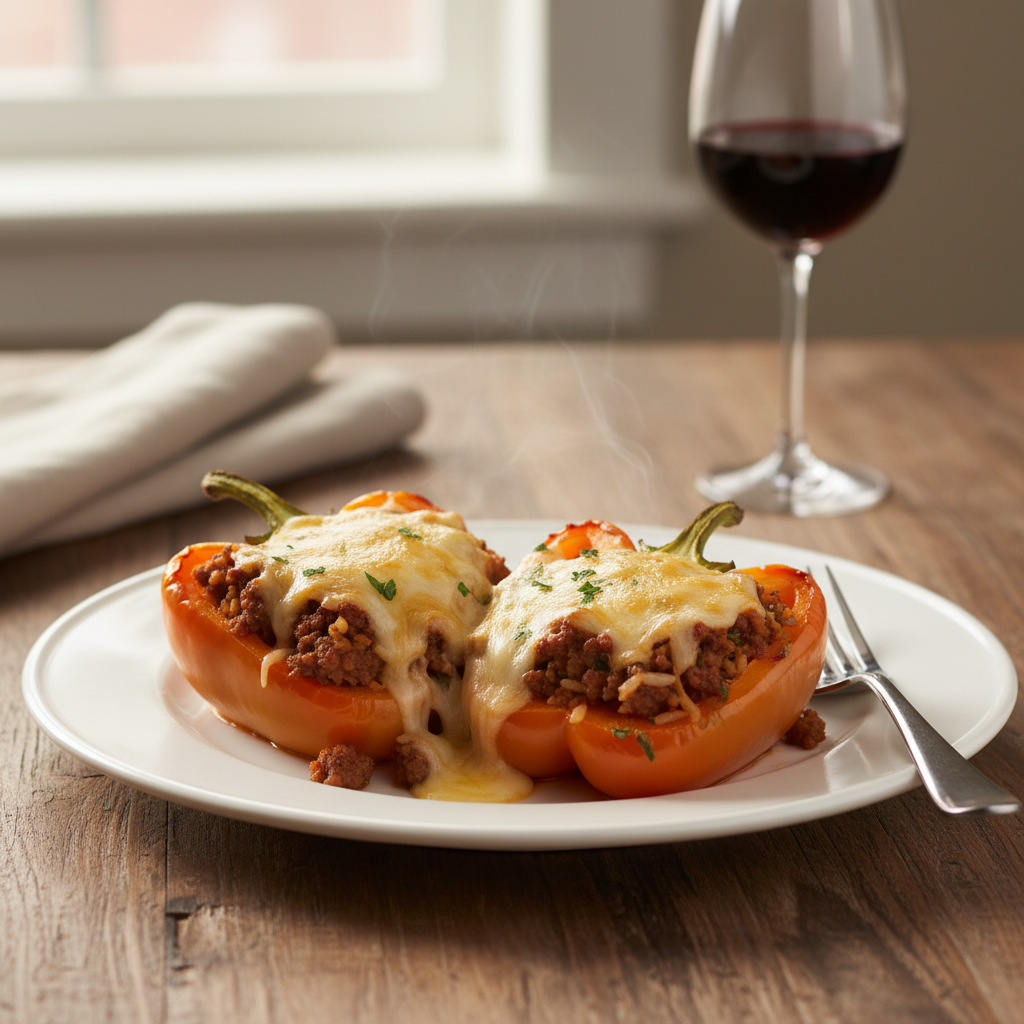
- Bake uncovered 18–25 minutes, until cheese melts and peppers feel tender when pierced.
If you like a browned top, broil 1–2 minutes, but keep an eye on it because cheese goes from golden to bitter fast.
Quick troubleshooting: what to fix when results disappoint
This is where most recipes leave you hanging. If your last attempt didn’t work, it usually points to one of these.
| Problem | Why it happens | Fix next time |
|---|---|---|
| Watery filling | Thin sauce, raw veg releasing water, meat not browned | Use thicker marinara, add tomato paste, simmer filling 2–4 minutes before stuffing |
| Peppers still crunchy | Peppers too thick, bake time too short, uncovered too early | Par-bake peppers covered, or cover the dish for first 15 minutes |
| Bland taste | Under-seasoned filling, weak sauce | Salt while browning meat, add a little acid (vinegar/lemon) to sauce, use garlic/onion |
| Peppers collapse | Overbaked or too much liquid in pan | Bake until just tender, keep pan liquid minimal, choose sturdier peppers |
Variations that still stay “easy”
The best stuffed bell peppers recipe easy is the one you’ll repeat, so here are swaps that don’t change the workflow.
Leaner or lighter
- Use ground turkey, add an extra spoon of olive oil or a bit more sauce so it doesn’t eat dry.
- Swap half the rice for cauliflower rice, but cook it down first or it can water out.
Vegetarian
- Use black beans + corn + cooked rice, and add smoked paprika for depth.
- Or use lentils, but keep them firm so the filling doesn’t turn mushy.
Low-prep flavor upgrades
- Stir in a handful of chopped spinach at the end, just to wilt.
- Add parmesan into the filling, not just on top.
- Use pepper jack if you want a gentle kick without extra steps.
Make-ahead, storage, and reheating tips (so leftovers stay good)
Stuffed peppers are one of those meals that can taste even better the next day, as long as you store them in a way that doesn’t steam them into mush.
- Make-ahead: cook filling, prep peppers, store separately up to a day, then stuff and bake when ready.
- Freeze: many households freeze them after baking; texture may soften, but flavor holds. Cool fully, wrap, then freeze.
- Reheat: oven or toaster oven tends to keep better texture than microwaving. If you microwave, do it gently and stop once hot, not molten.
For food safety, refrigerate leftovers promptly and reheat thoroughly. If you have health concerns or you’re cooking for someone immunocompromised, it’s smart to follow conservative storage guidance or consult a qualified professional.
Key takeaways before you start
- Brown the meat and simmer the filling briefly, it prevents sogginess.
- Par-bake peppers if you hate crunchy texture.
- Thicker sauce wins, watery sauce is the #1 reason stuffed peppers disappoint.
- Use a thermometer if you’re unsure about doneness, especially with ground meat.
Conclusion: a reliable weeknight stuffed pepper you’ll actually repeat
If you want the best stuffed bell peppers recipe easy, focus less on fancy ingredients and more on the two texture problems that ruin the dish: excess liquid and uneven pepper softness. Once you pre-cook the filling and manage moisture, the rest becomes pretty forgiving.
Your next move: pick one small upgrade you’ll keep every time, either par-baking the peppers or thickening the sauce with tomato paste, then bake a batch big enough for leftovers so tomorrow’s dinner basically handles itself.
FAQ
- Do I need to boil peppers before stuffing them?
Not always. Many people skip it and bake longer, but a short par-bake (or quick boil) helps if your peppers often come out crunchy. - What’s the best color bell pepper for stuffing?
Green peppers taste more grassy and a bit bitter, red/yellow/orange taste sweeter. Structurally they all work, so it’s mostly flavor preference and what’s on sale. - How do I keep stuffed peppers from getting watery?
Use thicker marinara, simmer the filling briefly, and avoid adding raw watery vegetables unless they’re cooked down first. - Can I make this best stuffed bell peppers recipe easy with quinoa instead of rice?
Yes, cooked quinoa swaps in easily. The main watch-out is moisture, quinoa can carry water if it’s not drained well. - How long do stuffed peppers take to bake at 375°F?
Often 18–25 minutes after stuffing if peppers are par-baked, longer if they go in raw. Oven behavior varies, so check tenderness with a knife tip. - What internal temperature should the filling reach?
For ground beef, many cooks follow USDA guidance of 160°F. If you use other ground meats, check USDA recommendations for that protein. - Should I cover stuffed peppers while baking?
Covering for the first part can help peppers soften. If you want browning on top, uncover for the final 10–15 minutes.
If you’re trying to streamline dinners, it helps to treat stuffed peppers like a flexible template: keep the method, rotate the protein, grain, and sauce based on what you already have, and you’ll still get that comforting “real dinner” feeling without extra stress.