
best chicken breast recipes healthy usually come down to two things: keeping the meat juicy, and building big flavor without leaning on heavy sauces.
Chicken breast has a reputation for being dry and boring, and honestly, it earns that reputation when it gets overcooked or under-seasoned. The good news is you don’t need complicated chef tricks, you just need a few reliable methods and a short list of flavor “lanes” you can rotate.
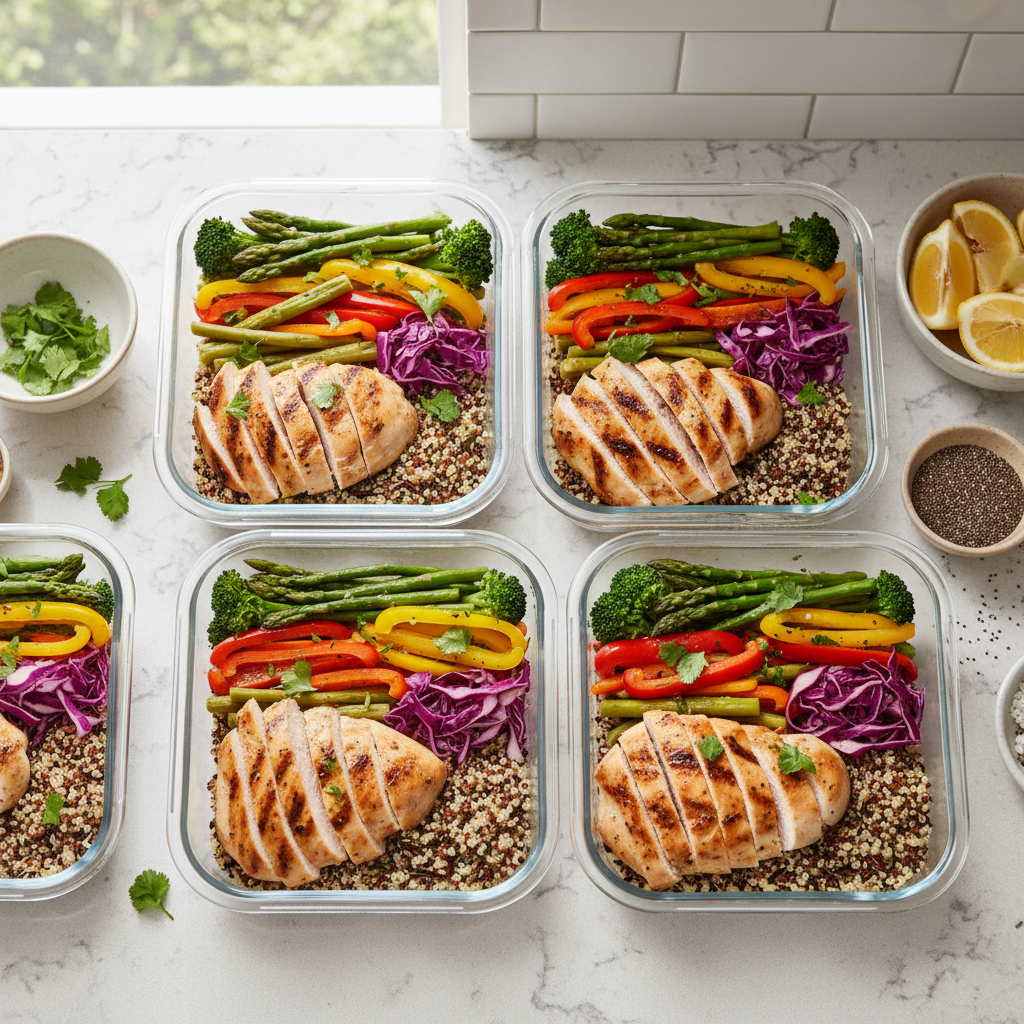
This guide focuses on recipes that work for real weeknights: quick cook times, pantry-friendly spices, and swaps for common dietary needs. I’ll also include a practical doneness checklist and a table to help you pick a recipe based on your time and equipment.
What “healthy” can realistically mean for chicken breast
Healthy is personal, but in recipe terms it often means controlling added sugar, saturated fat, and sodium while keeping protein high and portions reasonable. Many people also want more fiber on the plate, which usually means pairing chicken with vegetables, beans, or whole grains.
According to USDA FoodData Central, cooked chicken breast is a lean protein option, and nutrition changes most based on cooking fat and sauces. That’s why the same chicken breast can feel “light” in one recipe and “heavy” in another.
- High-protein, moderate-calorie: prioritize lean cooking methods (air fryer, grill, bake) and bold spice rubs.
- Heart-conscious: go easy on buttery pan sauces, use olive oil in measured amounts.
- Lower-carb: build plates around non-starchy vegetables, use yogurt-based sauces.
- Higher-fiber: add beans, lentils, quinoa, or roasted vegetables to the meal.
Why chicken breast turns dry (and how to prevent it)
The problem is rarely the recipe, it’s heat management. Chicken breast is very lean, so it goes from “perfect” to “tough” fast when temperature overshoots.
- Overcooking: the most common issue, especially with thick pieces.
- Uneven thickness: thin ends dry out while the thick center finishes.
- Not enough seasoning time: salt needs a little time to penetrate, even 15–30 minutes helps.
- Skipping rest time: slicing right away dumps juices onto the cutting board.
According to USDA Food Safety and Inspection Service (USDA FSIS), poultry should reach 165°F internal temperature for safety. In practice, pulling chicken a bit before peak and letting carryover cooking finish the job is how you keep it moist, but if you’re unsure, follow 165°F and use a thermometer.
Quick self-check: which situation are you in?
- If your chicken is dry and stringy, you likely cooked too long or too hot.
- If the outside looks done but the center is under, thickness is the problem, pound it or butterfly it.
- If it tastes “healthy” in a bad way, it’s usually missing acid (lemon, vinegar) or aromatics (garlic, herbs).
Pick the right recipe fast: a simple table
If you want the best chicken breast recipes healthy for your schedule, start by matching the method to your time and tolerance for cleanup.
| Goal | Best method | Time | Flavor style |
|---|---|---|---|
| Fast weeknight | Air fryer or skillet | 12–20 min | Spice rubs, citrus, quick sauces |
| Hands-off batch | Oven bake | 20–30 min | Sheet-pan seasonings, marinades |
| Summer meals | Grill | 15–25 min | Smoky, herb-forward, salsa toppings |
| Meal prep salads | Poach or gentle bake | 20–35 min | Clean, adaptable, sauce on the side |
Best Healthy Chicken Breast Recipes 2026 (actually doable)
These options stay flexible, you can scale them, and they don’t depend on hard-to-find ingredients. Each recipe includes a “healthy lever” so you can adjust calories or sodium without losing the point of the dish.
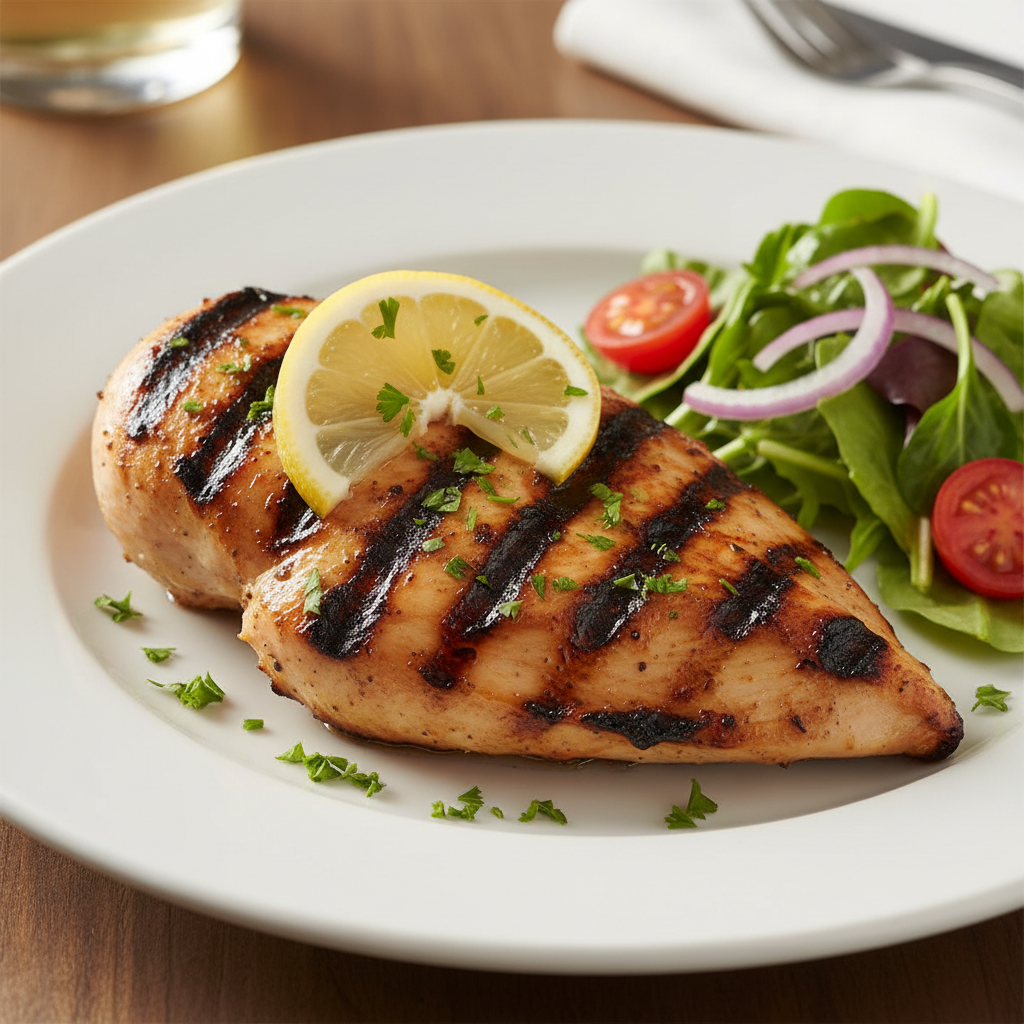
1) Lemon-Herb Grilled Chicken (bright, not boring)
- Seasoning: lemon zest + juice, garlic, oregano, black pepper, olive oil, salt.
- How: pound to even thickness, marinate 20–60 minutes, grill over medium heat until safe temp.
- Healthy lever: keep oil measured, push flavor with zest and herbs instead of extra salt.
- Serve with: cucumber-tomato salad, quinoa, or grilled zucchini.
2) Air Fryer Paprika Chicken (crispy feel, lighter approach)
- Seasoning: smoked paprika, garlic powder, onion powder, pepper, a little cornstarch (optional), salt.
- How: lightly oil the chicken, coat with spices, air fry until cooked through, rest 5 minutes.
- Healthy lever: skip sugary bottled sauces, finish with a squeeze of lime or a spoon of salsa.
- Serve with: roasted broccoli, cauliflower rice, or a chopped salad kit.
3) Sheet-Pan Chicken Fajita Bowls (the easiest vegetable win)
- Seasoning: chili powder, cumin, garlic, lime, salt, olive oil.
- How: slice chicken plus peppers and onions, roast hot on one tray, toss once midway.
- Healthy lever: use Greek yogurt with lime as a crema, it often replaces sour cream smoothly.
- Serve with: brown rice, beans, or just extra peppers if you want lower carbs.
4) Mediterranean Yogurt-Marinated Chicken (juicy insurance)
- Seasoning: plain Greek yogurt, lemon, garlic, dill or oregano, salt and pepper.
- How: marinate at least 30 minutes, bake or grill, don’t scorch the yogurt bits.
- Healthy lever: choose unsweetened yogurt, add flavor with herbs and lemon, not honey.
- Serve with: chopped Greek salad, chickpeas, whole-wheat pita wedges.
5) Ginger-Garlic Skillet Chicken (takeout vibe, cleaner ingredient list)
- Sauce: low-sodium soy sauce or tamari, grated ginger, garlic, rice vinegar, a little sesame oil.
- How: sear chicken cutlets, reduce sauce briefly, coat chicken right before serving.
- Healthy lever: keep sesame oil as a finishing flavor, not the main cooking fat.
- Serve with: steamed green beans, edamame, or a crunchy cabbage slaw.
6) Pesto Chicken with Tomato-Spinach (big taste, small effort)
- Flavor: basil pesto, cherry tomatoes, spinach, lemon.
- How: bake chicken, add tomatoes near the end, wilt spinach with residual heat, spoon pesto on top.
- Healthy lever: pesto is intense, so you often need less than you think, thin with lemon juice.
- Serve with: whole-grain pasta portion, farro, or roasted spaghetti squash.
Practical execution tips (this is where results change)
Recipes are nice, but these small moves are what make people stick with “healthy chicken” without getting frustrated.
- Flatten thickness: even 10 seconds of pounding prevents dry edges.
- Salt earlier: 15–30 minutes before cooking often improves texture.
- Use a thermometer: it removes the guesswork, especially for thick pieces.
- Rest before slicing: 5 minutes feels annoying, but it pays off.
- Build flavor in layers: spice rub + acid finish (lemon, vinegar) is a simple formula.
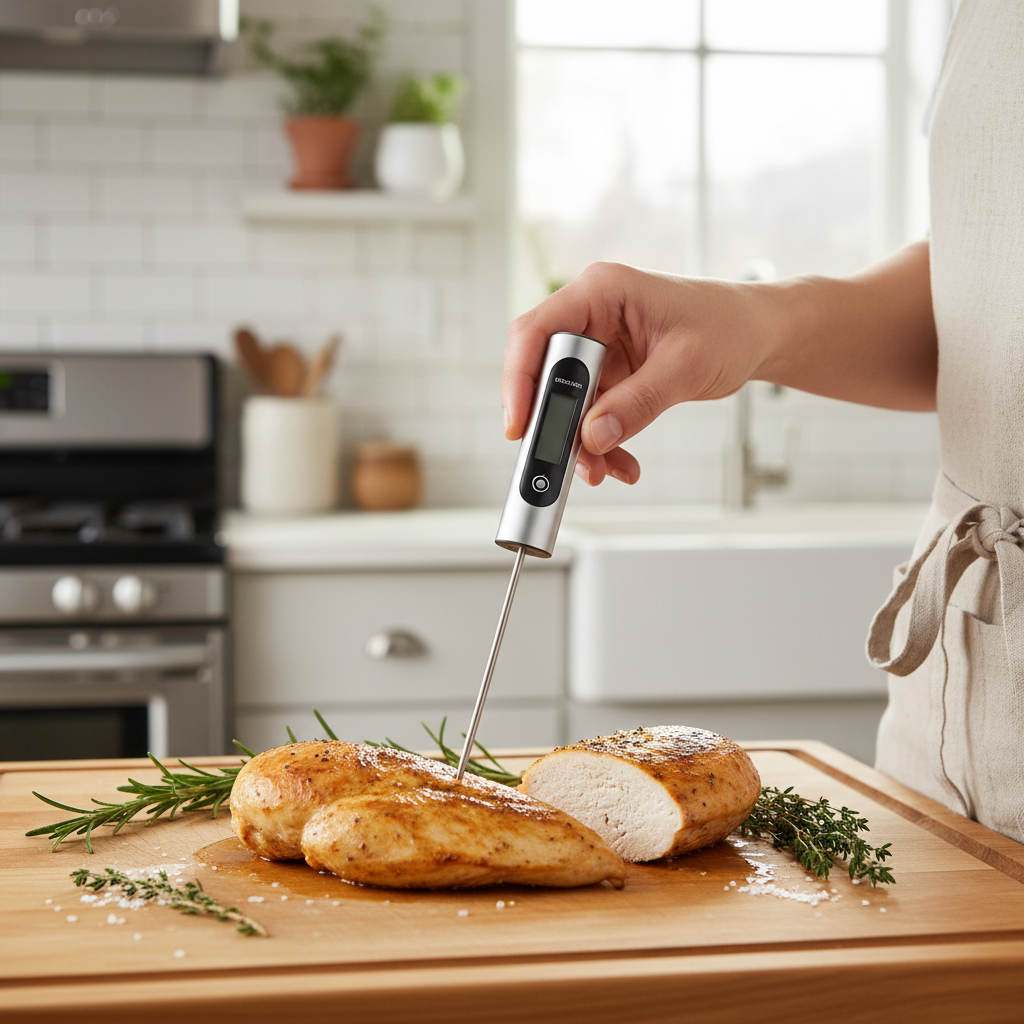
Key takeaway: most “dry chicken” complaints disappear when you cook chicken cutlets (thinner pieces) and treat 165°F as a guardrail, not a vibe.
Meal prep that still tastes good on day 3
Chicken breast can dry out in the fridge, too. The workaround is storing it smart and choosing recipes that reheat kindly.
- Store sauce separately: keep yogurt sauces, vinaigrettes, and salsas in small containers.
- Slice only what you need: whole pieces tend to retain moisture better.
- Reheat gently: microwave at lower power in short bursts, or warm in a covered skillet with a splash of broth.
- Cold use counts: leftover chicken works well in salads, wraps, grain bowls, and doesn’t need reheating.
If you’re tracking nutrition, a consistent portion method helps: weigh cooked chicken or use a standard cutlet size, and keep toppings predictable. For medical nutrition needs, it’s smart to consult a registered dietitian.
Common mistakes that make “healthy” meals feel miserable
- Going fat-free and flavor-free: a measured amount of olive oil plus acid often beats a dry spice-only approach.
- Relying on bottled sauces: many are fine, but check added sugar and sodium if you eat them daily.
- Cooking from fridge-cold: the outside overcooks while the center lags, give it a short counter rest.
- Not pairing with texture: add crunchy veg, toasted seeds, or a fresh salsa so every bite is not the same.
Conclusion: make one method your “default,” then rotate flavors
The easiest way to keep using the best chicken breast recipes healthy is to stop hunting for novelty every night and instead pick one reliable method you trust, then rotate two or three flavor profiles you genuinely enjoy. Start with air fryer paprika chicken or sheet-pan fajita bowls if you want low effort, and add the yogurt marinade when you want extra juiciness without extra heaviness.
If you cook chicken breast often, buy an instant-read thermometer and keep a short pantry list of go-to seasonings, that combo tends to pay for itself in fewer disappointing dinners.
FAQ
What are the best chicken breast recipes healthy for weight loss?
Usually the ones with simple seasoning and a high-vegetable plate, like sheet-pan fajitas or lemon-herb grilled chicken, with sauce measured instead of poured. If you have specific goals or medical conditions, a dietitian can help set portions.
How do I keep chicken breast juicy without adding a lot of oil?
Focus on even thickness, a short salt rest, and pulling the chicken at the right internal temperature. Yogurt marinades and a lemon finish add “juicy” perception without much added fat.
Is air-fried chicken breast actually healthy?
Often yes, because it can use less oil than deep frying, but healthfulness still depends on breading, sauces, and portion size. A spice rub approach is the easiest way to keep it lighter.
Can I bake chicken breast from frozen?
Many people do, but timing gets harder and texture can suffer. For both quality and food safety, thaw in the refrigerator when possible, and use a thermometer to confirm doneness.
What internal temperature should chicken breast be cooked to?
According to USDA FSIS, poultry should reach 165°F. If you’re new to cooking chicken, stick to that guidance and rest the meat before slicing.
How long does cooked chicken breast last in the fridge?
It varies by storage and fridge temperature, but many home cooks follow conservative food-safety practices and use leftovers within a few days. When in doubt, throw it out, and consult official food-safety guidance for your situation.
What’s a healthy sauce that doesn’t taste “diet”?
Greek yogurt with lemon, garlic, and herbs is a strong option, and salsa or chimichurri-style herbs with vinegar also deliver big flavor. Keep salt in check if you use salty condiments.
If you’re trying to build a repeatable weekly routine, it can help to pick two core recipes from this list and set up a small “flavor kit” in your pantry and fridge, it’s a simple way to stay consistent without eating the same dinner every night.