
If you’ve been searching for how to cook potatoes crispy in oven, the short version is this: use the right potato, control surface moisture, preheat the pan, and roast hot with enough space.
Most “not crispy” roasted potatoes fail for boring reasons, not mysterious ones, a crowded sheet pan, potatoes that went in wet, oil added too late, or an oven that never truly got hot. The good news is you can fix all of that without special gear.
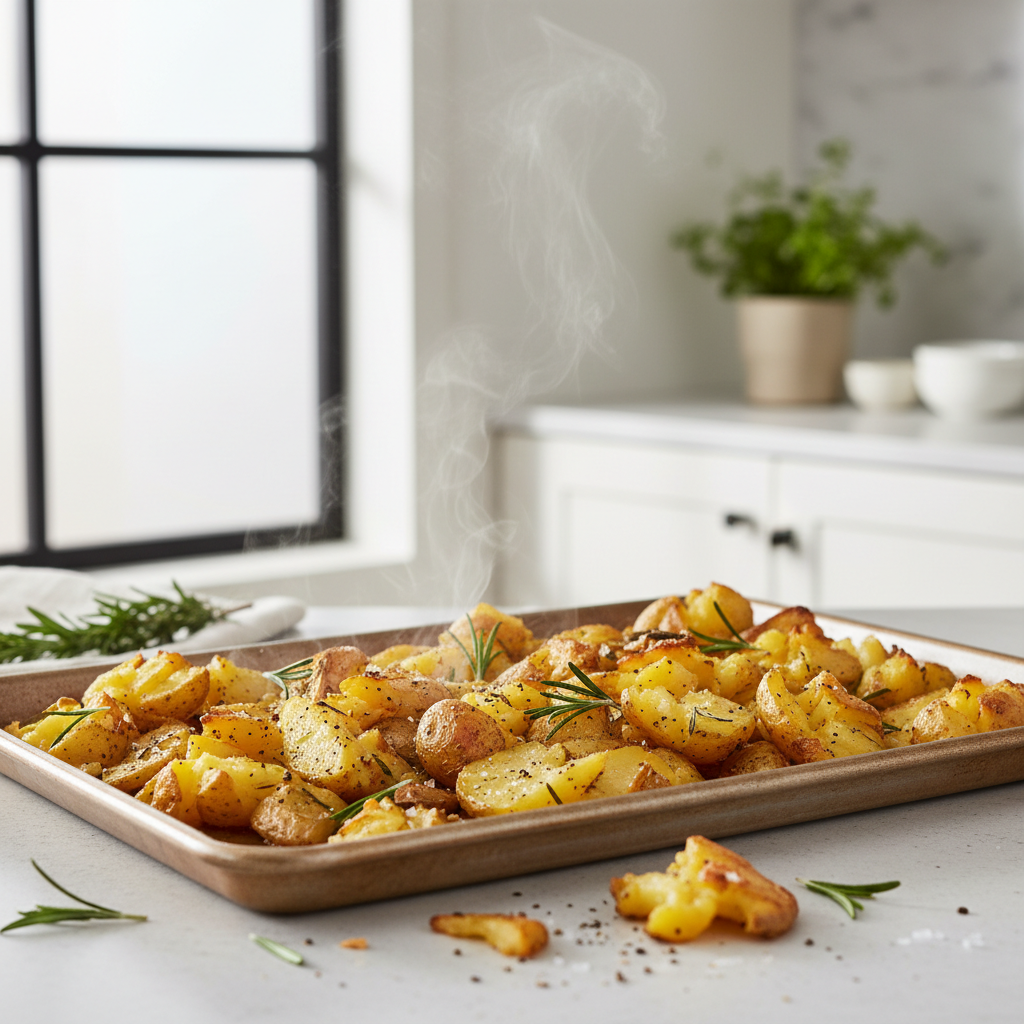
Below you’ll get a practical method that works on a weeknight, plus a quick self-check and a troubleshooting guide so you can adapt to your oven, your pan, and your potato cut.
What actually makes oven potatoes crispy
Crispiness is mostly a surface game, you’re trying to dry and rough up the outside so hot oil and high heat can brown it fast, while the inside turns tender.
- Surface dryness: water on the outside turns to steam, and steam softens the crust.
- Heat transfer: a preheated metal pan conducts heat better than a cold pan.
- Fat + high temp: oil helps browning and prevents sticking, but too little oil gives patchy, pale spots.
- Space: crowded potatoes trap steam, so they “roast” like they’re being gently steamed.
According to USDA, ovens and food thermometers help with safe cooking temperatures and doneness checks, which matters if you’re pairing potatoes with meat on the same tray. For potatoes alone, safety is less tricky, but consistent heat still matters for texture.
Choose the right potato (and cut) for crunchy edges
You can get crisp results with several varieties, but the easiest path depends on what you like inside.
- Yukon Gold: creamy interior, crisps nicely, great “all-purpose” choice.
- Russet: drier and fluffy, often crisps aggressively, can break apart if overboiled.
- Red potatoes: waxier, hold shape well, usually less shatter-crisp unless you nail the drying step.
Cut size matters more than people admit. Bigger chunks stay soft longer; small cubes crisp faster but can dry out.
- Best weeknight cut: 1-inch chunks (more edges, still tender inside).
- Breakfast-style: 3/4-inch cubes (fast crisping, watch for overbrowning).
- Steak fries/wedges: crisp outside, but interior stays more “baked potato” than creamy.
The reliable method: parboil, rough, preheat, roast
This is the approach I recommend when someone says they’ve tried everything and still can’t figure out how to cook potatoes crispy in oven. It has a few steps, but each one earns its spot.
Step-by-step (for about 2 pounds of potatoes)
- Heat oven: 450°F. Put a rimmed metal sheet pan in the oven while it heats.
- Parboil: Start potatoes in cold, well-salted water, bring to a boil, then simmer 6–8 minutes until the outside is tender but centers are still firm.
- Drain and steam-dry: Drain well, return to the hot pot, and let them sit 2–3 minutes so moisture evaporates.
- Rough the surface: Shake the pot with the lid on for 10–15 seconds, you want a starchy, fuzzy exterior.
- Oil + season: Toss with 2–3 tablespoons high-heat oil, plus salt and pepper. Add garlic powder or paprika if you want, but keep it light.
- Onto hot pan: Carefully spread potatoes on the preheated sheet pan in a single layer.
- Roast: 20 minutes, flip, then 15–25 minutes more until deep golden and crisp.
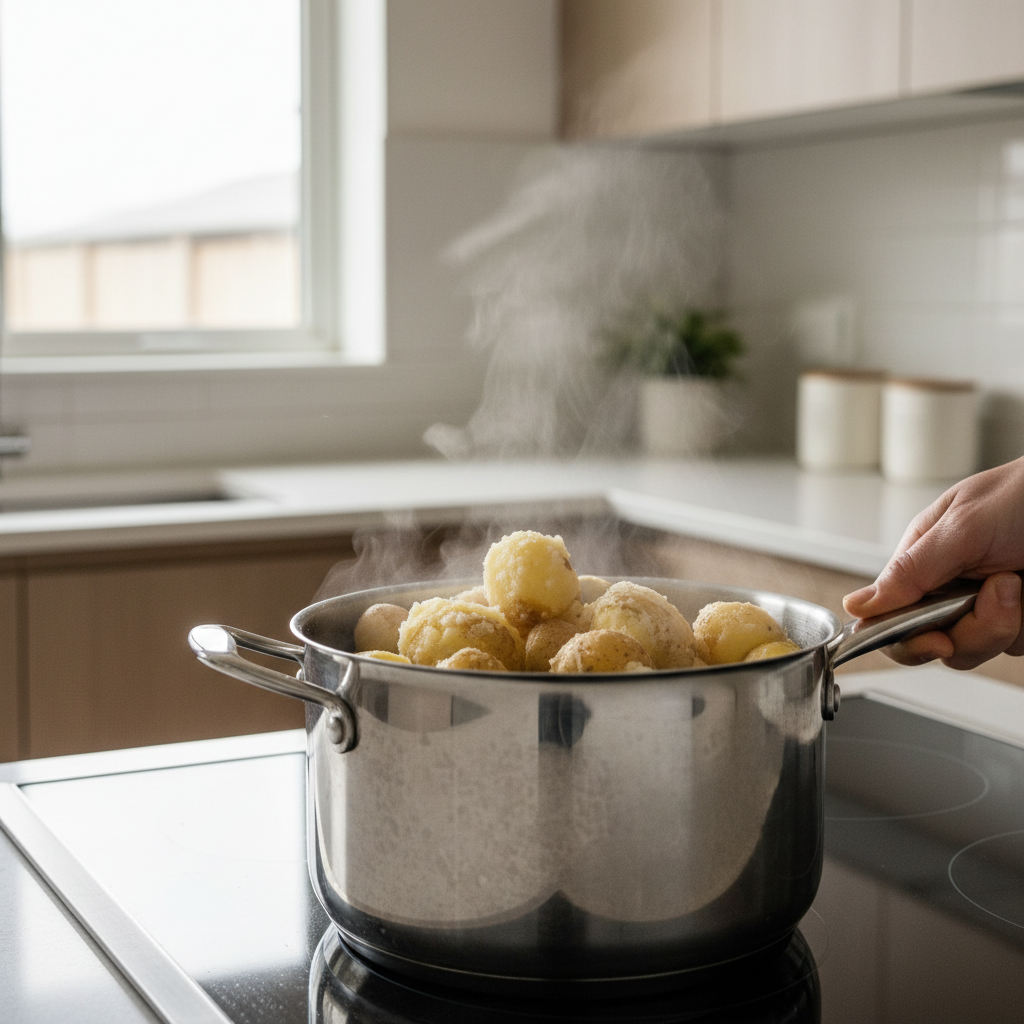
Key point: if the potatoes look dry and a little “fluffy” before roasting, you’re on track. If they look glossy-wet, crisping becomes an uphill fight.
Timing, temperature, and oil: a quick reference table
Ovens vary a lot, so use this table as a starting point, then adjust by color and sound. Crispy potatoes often start to “sizzle” quietly as they finish.
| Cut | Oven temp | Parboil time | Roast time (approx.) | Notes |
|---|---|---|---|---|
| 1-inch chunks | 450°F | 6–8 min | 35–45 min | Most forgiving, great crisp-to-fluff balance |
| 3/4-inch cubes | 450°F | 5–7 min | 30–40 min | Flip earlier, edges brown faster |
| Wedges | 425–450°F | Optional, 4–6 min | 35–55 min | Less “shattery,” more hearty |
Oil choice is flexible. Avocado oil, canola, vegetable, grapeseed, and light olive oil typically handle roasting temps well. If smoke becomes an issue in your kitchen, back the oven down to 425°F and roast a bit longer.
Self-check: why your potatoes aren’t getting crispy
If you want to solve this fast, walk through these checks before you change your whole recipe.
- Your pan is crowded: if pieces touch on all sides, they steam. Use two pans.
- Pan isn’t hot: a cold pan delays browning and encourages sticking.
- Potatoes went in wet: not draining well, or skipping the steam-dry step.
- Not enough oil: you don’t need to drown them, but a thin, even coat matters.
- Wrong rack position: middle-to-upper rack often browns better than the lowest rack.
- Oven runs cool: common in older ovens, consider an oven thermometer.
And one sneaky issue, if you add wet ingredients too early (fresh garlic, lemon juice, vinegar-based sauces), you’re reintroducing moisture and slowing browning.
Practical variations (without losing the crunch)
You can keep the crispy base and still change flavors. The trick is when you add certain ingredients.
Herb and garlic roasted potatoes
- Roast with salt, pepper, and a little garlic powder.
- Toss with minced fresh garlic and chopped rosemary or parsley after roasting, while hot, so the garlic mellows without burning.
Parmesan crust finish
- In the last 5–7 minutes, sprinkle finely grated Parmesan.
- Keep the layer light, a heavy blanket can trap steam.
Spicy paprika version
- Add smoked paprika and a pinch of cayenne to the oil toss.
- If spices darken too fast, drop to 425°F and extend roast time.
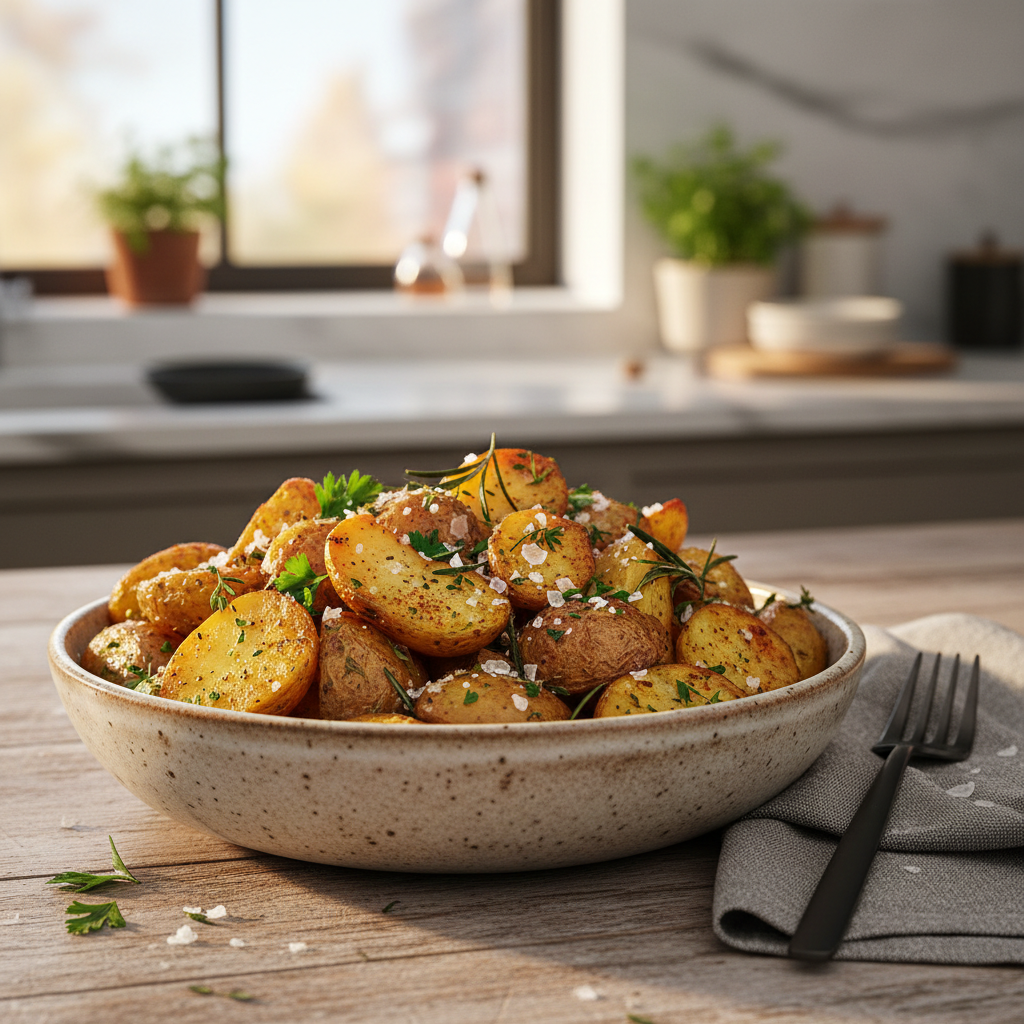
If your goal is restaurant-style crunch, keep sauces on the side and dip. Once you coat crisp potatoes, they soften, that’s just physics.
Common mistakes and small fixes that make a big difference
- Skipping the flip: you’ll get one pale side. Flip once, not every 5 minutes, too much stirring cools the pan.
- Using parchment on a weak oven: parchment can reduce direct pan contact. If your oven struggles, try roasting directly on the metal pan with enough oil.
- Under-salting the water: parboil water should taste pleasantly salty, it seasons inside the potato.
- Overboiling: if pieces collapse in the pot, they can turn gummy. Stop when the edges are just tender.
- Adding butter too early: butter can burn at high temps. Add a small knob at the end for flavor.
Key takeaway: if you fix only one thing, give the potatoes room on the pan. Crowding is the most common reason people think they “can’t” learn how to cook potatoes crispy in oven.
When to adjust for dietary needs or safety
Roasted potatoes are generally straightforward, but a few situations call for extra care.
- Low-sodium diets: you can reduce salt, but expect the potatoes to taste flatter, add acid and herbs at the end instead. If you have medical restrictions, consider checking with a clinician or dietitian.
- High smoke/sensitivity: if your kitchen fills with smoke, lower the temperature to 425°F and use a higher smoke-point oil.
- Cooking alongside meat: keep raw meat juices from contacting potatoes, use separate pans or safe spacing. According to USDA, using a food thermometer helps ensure meats reach safe internal temperatures.
Conclusion: your crispiness checklist for next time
Crispy oven potatoes don’t require luck, they require a few non-negotiables: dry surfaces, hot metal, enough oil, and space. Once you lock those in, the rest becomes preference, potato type, seasoning, and how deeply browned you like the edges.
If you want a simple next step, try the parboil-and-rough method once, then change only one variable on your second batch, pan size, temperature, or cut. That’s usually how people finally dial in how to cook potatoes crispy in oven for their own kitchen.