
Peanut recipes are one of the fastest ways to make weeknight food taste like you actually planned it, because peanuts pull double duty: they add crunch and richness, and they carry sauces like a champ.
If your peanut butter is mostly used for sandwiches, you’re leaving a lot on the table. A spoonful can become a satay-style sauce, a salad dressing, or a soup shortcut, and roasted peanuts can finish everything from rice bowls to stir-fries.
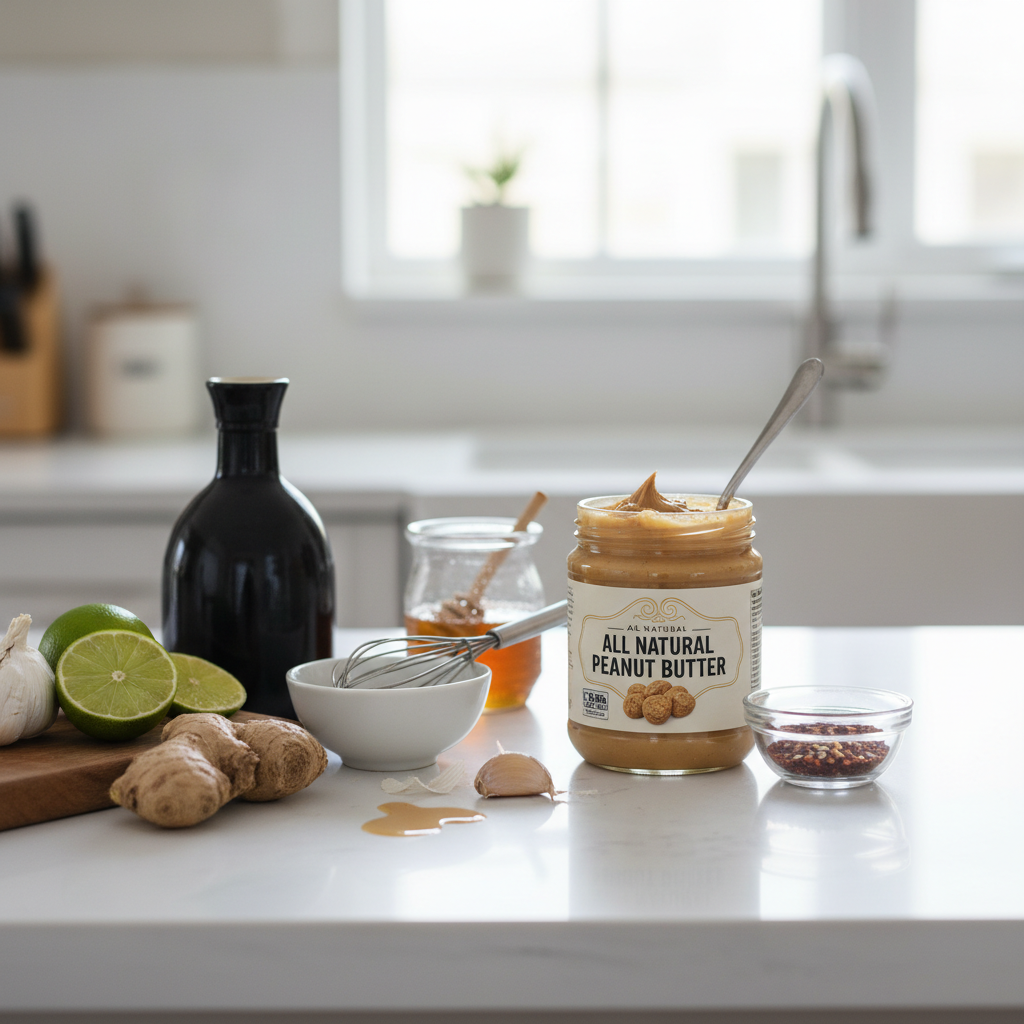
One more thing before we cook: peanuts are a common allergen. If you’re cooking for a group, label dishes clearly, avoid cross-contact, and when in doubt ask. According to the FDA... food allergies are a major safety concern, so treat peanut handling like you would raw meat, separate tools and surfaces.
What makes peanuts work in so many dishes
Peanuts sit in a sweet spot: fatty enough to feel indulgent, mild enough to take on bold flavors, and sturdy enough to stay crunchy when you want texture.
- Flavor backbone: roasted peanuts add toasty depth, peanut butter adds richness.
- Texture control: chopped for crunch, ground for “nutty breadcrumbs,” blended for sauce.
- Budget-friendly impact: a small amount can change a whole bowl of grains or vegetables.
Quick “pick-your-path” peanut recipe table
If you’re staring at the pantry, this is the fastest way to choose a direction. Use it like a menu, not a rulebook.
| Dish type | Best peanut form | Time | Good with |
|---|---|---|---|
| Sauce/dressing | Natural peanut butter | 5–10 min | Noodles, bowls, salads |
| Crunch topping | Roasted peanuts (chopped) | 2 min | Stir-fries, soups, tacos |
| Marinade | PB + acid + soy | 10 min + rest | Chicken, tofu, shrimp |
| Snack | Whole peanuts | 10–20 min | Spice blends, honey, chili |
| Soup boost | PB stirred in | 5 min | Tomato, sweet potato, ramen broth |
Core peanut sauce you’ll reuse (and 4 easy variations)
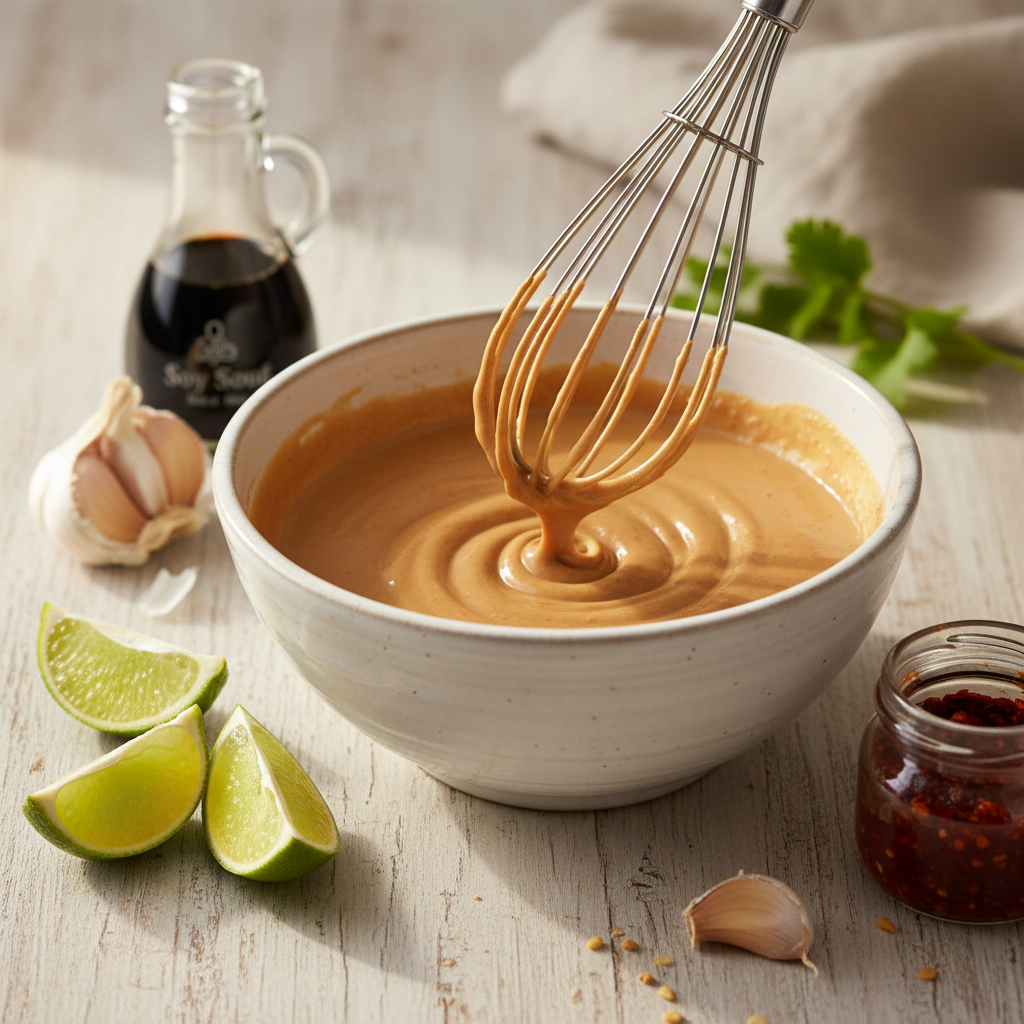
This is the workhorse for peanut recipes: it turns plain noodles and leftover chicken into something you’d order out. Aim for “pourable but clingy.” If it seizes up, add warm water a tablespoon at a time.
Base sauce (makes about 3/4 cup)
- 1/3 cup natural peanut butter
- 2 tbsp soy sauce (or tamari)
- 1–2 tbsp lime juice or rice vinegar
- 1 tbsp honey or brown sugar
- 1 small garlic clove, grated
- Warm water to thin (2–6 tbsp)
- Optional: chili garlic sauce, grated ginger
Method: whisk everything until smooth, then adjust salt, acid, and sweetness. Taste it on a cucumber slice, it tells the truth faster than a spoon.
Variations you can do without thinking
- Thai-ish: add fish sauce (or extra soy), more lime, and chili.
- Sesame-forward: add 1–2 tsp toasted sesame oil.
- Creamy coconut: swap some water for coconut milk.
- Extra savory: add a pinch of smoked paprika or miso (if you have it).
5 practical peanut recipes for real dinners
These are built for normal constraints: limited time, imperfect groceries, and a strong desire for something that doesn’t taste “healthy on purpose.”
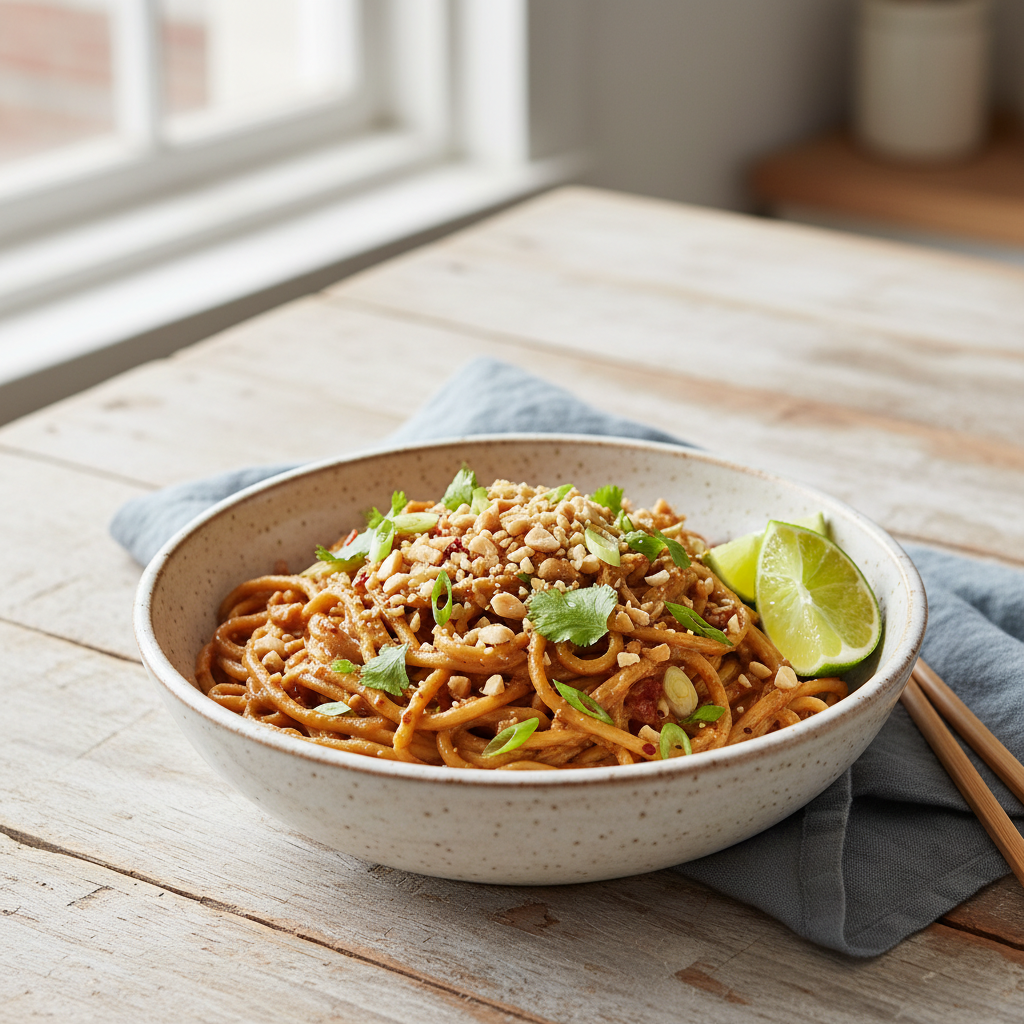
1) Peanut noodle bowl (hot or cold)
- Cook spaghetti, ramen noodles, or rice noodles.
- Toss with peanut sauce and a splash of noodle water.
- Add cucumbers, shredded carrots, scallions, cilantro if available.
- Finish with chopped roasted peanuts and lime.
Editor’s note: cold peanut noodles get better after 15 minutes, when the sauce relaxes and coats evenly.
2) Sheet-pan peanut chicken (or tofu) with broccoli
- Mix 2–3 tbsp peanut butter, soy sauce, lime, garlic, and a little water.
- Coat chicken thighs or tofu cubes, add broccoli.
- Roast at 425°F until cooked through and browned.
If the pan sauce looks tight, add a splash of hot water and stir right on the sheet pan. It turns glossy fast.
3) Crunchy peanut slaw for tacos and bowls
- Shred cabbage, add grated carrot and thin onion.
- Dressing: peanut sauce + extra vinegar to brighten.
- Top with peanuts and optional sesame seeds.
This is the kind of side that quietly fixes a bland meal, especially with rotisserie chicken or leftover rice.
4) “Better ramen” peanut broth hack
- Make ramen as usual, keep broth hot.
- In a bowl, whisk 1–2 tbsp peanut butter with a little hot broth until smooth.
- Pour in remaining broth, add noodles and toppings.
Don’t dump peanut butter straight into the pot, it can clump. The little “temper in a bowl” step saves it.
5) Peanut fried rice finish (the 2-minute upgrade)
- Make fried rice normally, eggs and veggies included.
- Kill the heat, add crushed peanuts and a squeeze of lime.
- Optional: chili crisp or sriracha.
Key point: add peanuts at the end to keep crunch, otherwise they soften and disappear.
Self-check: which peanut approach fits your kitchen today?
People get stuck because they pick the “wrong” peanut move for the time they have. A quick check keeps it realistic.
- You have 10 minutes: go sauce + noodles, or soup boost.
- You have protein but no plan: make a quick peanut marinade and roast or pan-sear.
- You have veggies that need help: peanut slaw or a bowl with crunchy topping.
- You’re tired of salads: peanut dressing makes it feel like takeout.
- You’re cooking for guests: keep peanuts as a topping in a separate bowl for control.
Common mistakes (and how to avoid wasting good ingredients)
- Using sweetened peanut butter without adjusting: many jarred PBs are already sweet, so start with less honey/sugar and taste.
- Over-thick sauce: add warm water slowly; the texture can flip from paste to silky in one tablespoon.
- Going heavy on soy without acid: peanut sauces need lime/vinegar to taste “alive,” otherwise it feels flat.
- Burning peanuts: if you toast them, low heat and patience; the line between toasted and bitter is thin.
- Allergy cross-contact: separate utensils, wipe surfaces, and don’t reuse oil from peanut cooking for other dishes.
When to consider swaps or ask a professional
If peanut allergy is in the picture, don’t gamble. Many households use sunflower seed butter, tahini, or almond butter, but the swap changes flavor and sometimes texture, so test a small batch first. For serious allergies, it’s usually smarter to avoid peanuts entirely in shared meals and consult a qualified clinician for personalized guidance.
If you’re watching sodium or added sugars, peanut sauces can be adjusted, but the “right” version depends on your diet and health context. A registered dietitian can help tailor ratios without making the food sad.
Conclusion: make peanuts your weeknight shortcut
Good peanut recipes aren’t complicated, they’re just strategic: one flexible sauce, one crunchy topping, and one or two repeatable dinners that fit your schedule. If you want a simple next step, mix the base peanut sauce tonight, then use it twice this week, once on noodles and once as a dressing. You’ll feel the difference in how easy dinner gets.
FAQ
What are easy peanut recipes for beginners?
Start with peanut noodles or a simple salad dressing, because you can adjust with water, lime, and soy until it tastes right. No special equipment needed, just a bowl and a whisk.
Can I use crunchy peanut butter for peanut sauce?
Yes, it usually works fine. The texture will be slightly rustic, which many people like, but whisk a bit longer and thin with warm water to keep it pourable.
How do I keep peanut sauce from getting thick in the fridge?
It naturally tightens as it chills. Store with a tablespoon or two of extra water mixed in, then re-whisk with warm water right before serving.
What proteins pair best with peanut recipes?
Chicken thighs, shrimp, and tofu are the most forgiving, because they handle bold sauces without tasting overwhelmed. Lean chicken breast can work too, but it benefits from a quick marinade to stay juicy.
Are peanut recipes healthy?
They can be, depending on portions and what else is in the meal. Peanuts offer protein and fats, but sauces can add sodium and sugar, so it’s reasonable to tweak and, if you have medical concerns, ask a professional.
What’s the best peanut substitute for allergies in these dishes?
Sunflower seed butter is a common stand-in for a similar creamy texture, and tahini can work for a more sesame-forward flavor. Always check labels for cross-contact warnings if allergy risk is high.
Can I make peanut sauce without soy sauce?
Often, yes. Coconut aminos or a lighter amount of salt plus extra lime can get you close, though the flavor shifts a bit and you may need more garlic or ginger for depth.
If you’re already experimenting with peanut recipes and want a more “set-and-forget” routine, pick one base sauce and two dinners you actually enjoy, then keep the same pantry items stocked, it’s the simplest way to cook more without thinking about it every night.