
Family meals on weeknights don’t fail because you “can’t cook,” they fail because time, energy, and picky preferences all collide at 6 p.m. The fix is less about finding one perfect recipe and more about building a small system you can repeat when you’re tired.
This guide gives you a practical approach: what to keep stocked, how to mix-and-match dinners without thinking too hard, and a few dependable meal ideas that actually fit real schedules. You’ll also see common traps that make dinner feel harder than it needs to be, plus a simple weekly rhythm that many households can stick with.
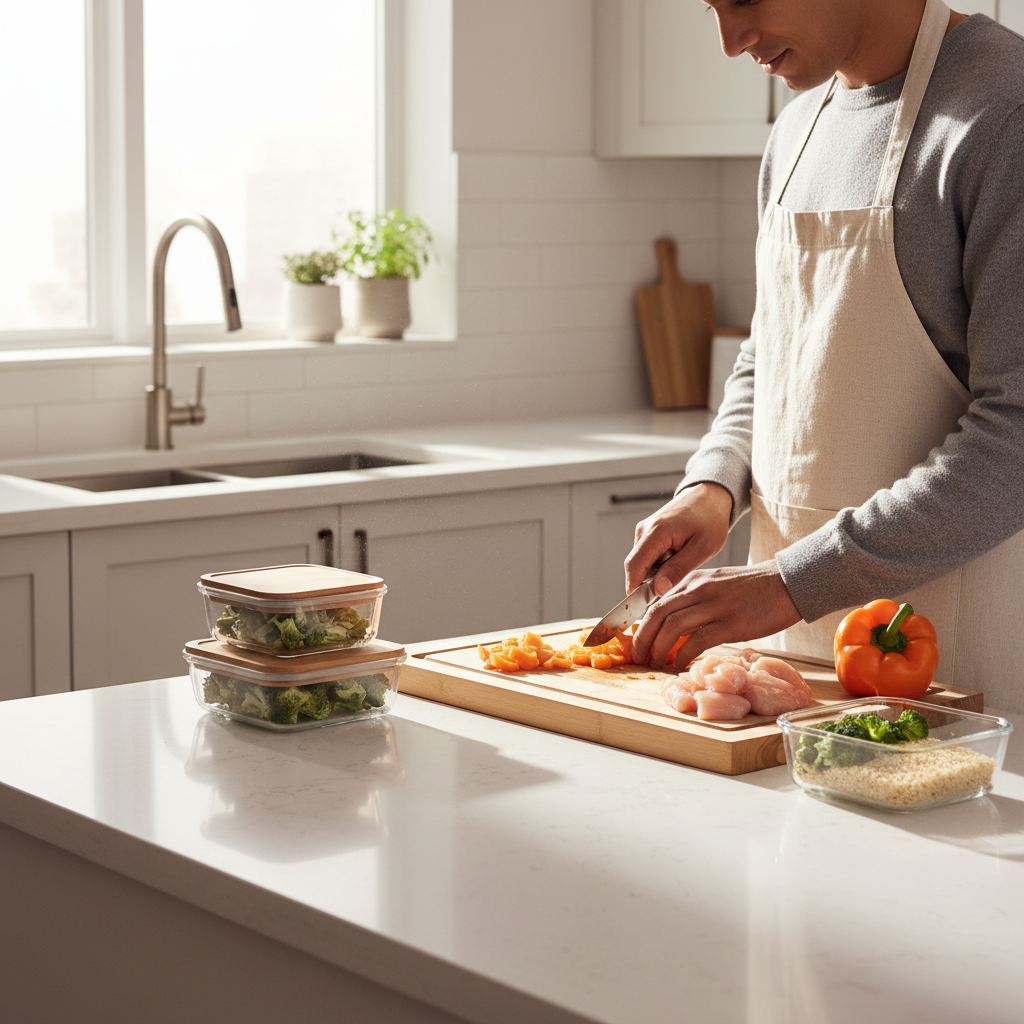
If you’re aiming for healthier choices too, keep expectations reasonable. According to USDA MyPlate, balanced meals often include fruits, vegetables, grains, protein, and dairy, but on busy nights you can get close without making five separate dishes. Think “good enough and consistent,” not perfect.
Why weeknight dinners feel so hard (and what’s usually underneath)
Most weeknight stress comes from decisions, not cooking. When you’re deciding what to make while people are already hungry, everything feels urgent, and even simple meals turn into a scramble.
- Decision fatigue: you’re choosing a recipe, sides, and timing at the same time.
- Pantry gaps: the plan sounds fine until you realize you’re missing one key item.
- Mismatch of timelines: one person needs to eat now, another comes home later, kids want snacks.
- Too-ambitious recipes: 45-minute “quick” meals rarely feel quick after a workday.
- Picky eating dynamics: not just preferences, but texture, spice level, and “food touching” rules.
The goal for family meals isn’t to impress anyone, it’s to reduce friction. When you plan for the friction, dinner stops feeling like a daily emergency.
A fast self-check: which weeknight situation are you in?
Before you grab new recipes, figure out which constraint is real in your house. Different problems need different solutions.
- “No time” nights: you have 15–20 minutes, max, and you need food on plates fast.
- “No energy” nights: you have ingredients, but you can’t handle complex steps or heavy cleanup.
- “No agreement” nights: you could cook, but tastes and moods clash.
- “No groceries” nights: the fridge looks empty, but there are still building blocks.
Pick one category for most weekdays. That becomes your default plan. You can still cook something fun on the weekend, but weeknights need a simpler playbook.
Build a repeatable “mix-and-match” dinner template
A reliable template beats a long list of recipes. You’re basically assembling dinner from a few parts: protein + veg + carb + sauce/seasoning. Swap one component and it feels like a new meal.
Key point: keep the number of options small. Too many choices brings the stress back.
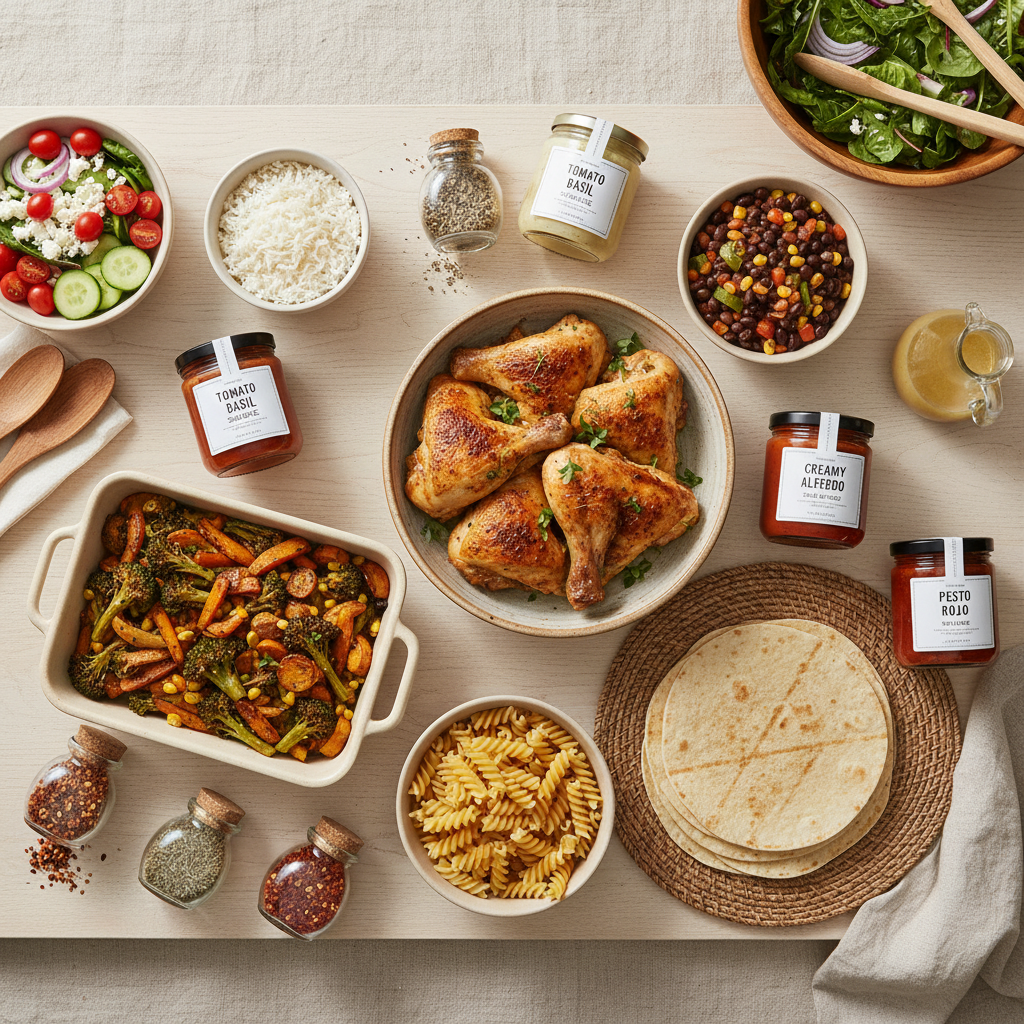
Quick dinner builder table (save this)
| Base | Protein | Veg | Flavor “shortcut” | Example dinner |
|---|---|---|---|---|
| Rice or quinoa | Rotisserie chicken | Frozen stir-fry mix | Teriyaki or soy-ginger sauce | Chicken veggie rice bowls |
| Tortillas | Black beans or ground turkey | Bagged slaw | Salsa + lime + cumin | Taco night with slaw |
| Pasta | Italian sausage or chickpeas | Spinach (fresh or frozen) | Jarred marinara + garlic | Sausage spinach pasta |
| Sheet pan | Salmon or chicken thighs | Broccoli + carrots | Lemon + olive oil + seasoning blend | Sheet-pan lemon chicken |
| Soup night | Shredded chicken or lentils | Frozen veggies | Store-bought broth + herbs | Fast veggie chicken soup |
If your family meals tend to derail, start with just two bases (say, rice and tortillas) and rotate. Variety can come later.
Easy family meals: weeknight ideas that don’t require a “chef mood”
These are meant to be flexible, not precious. Use what you have, and don’t be afraid of shortcuts like frozen vegetables, jarred sauces, or rotisserie chicken.
1) 15-minute taco-bowl bar
- Use: microwave rice, canned beans, pre-shredded cheese, salsa, bagged lettuce
- Upgrade if you want: sauté ground turkey with taco seasoning
- Picky-eater move: keep toppings separate, let everyone build their own
2) Sheet-pan chicken + frozen vegetables
- Method: hot oven, one pan, simple seasoning blend
- Timing trick: start chicken first, add frozen veg partway so it roasts instead of steaming
- Low-effort side: bread, microwaved potatoes, or a quick salad kit
3) “Pantry pasta” with a green
- Base: pasta + jarred marinara
- Make it feel real: add garlic, red pepper flakes (optional), and spinach
- Protein options: sausage, canned white beans, or leftover chicken
4) Breakfast-for-dinner that still feels like dinner
- Do: eggs + toast + fruit, or breakfast tacos
- Add: a bagged salad if you want a more balanced plate
- Why it works: fast cook time, familiar flavors, easy cleanup
5) Soup + “something to dip”
- Shortcut: store-bought broth, frozen veg, shredded chicken
- Make it filling: add pasta, rice, or canned beans
- Dip idea: grilled cheese, quesadillas, or crusty bread
Practical execution: a weeknight workflow that saves your brain
Even easy family meals can feel hard if you’re starting from zero every day. A small routine helps more than a bigger recipe collection.
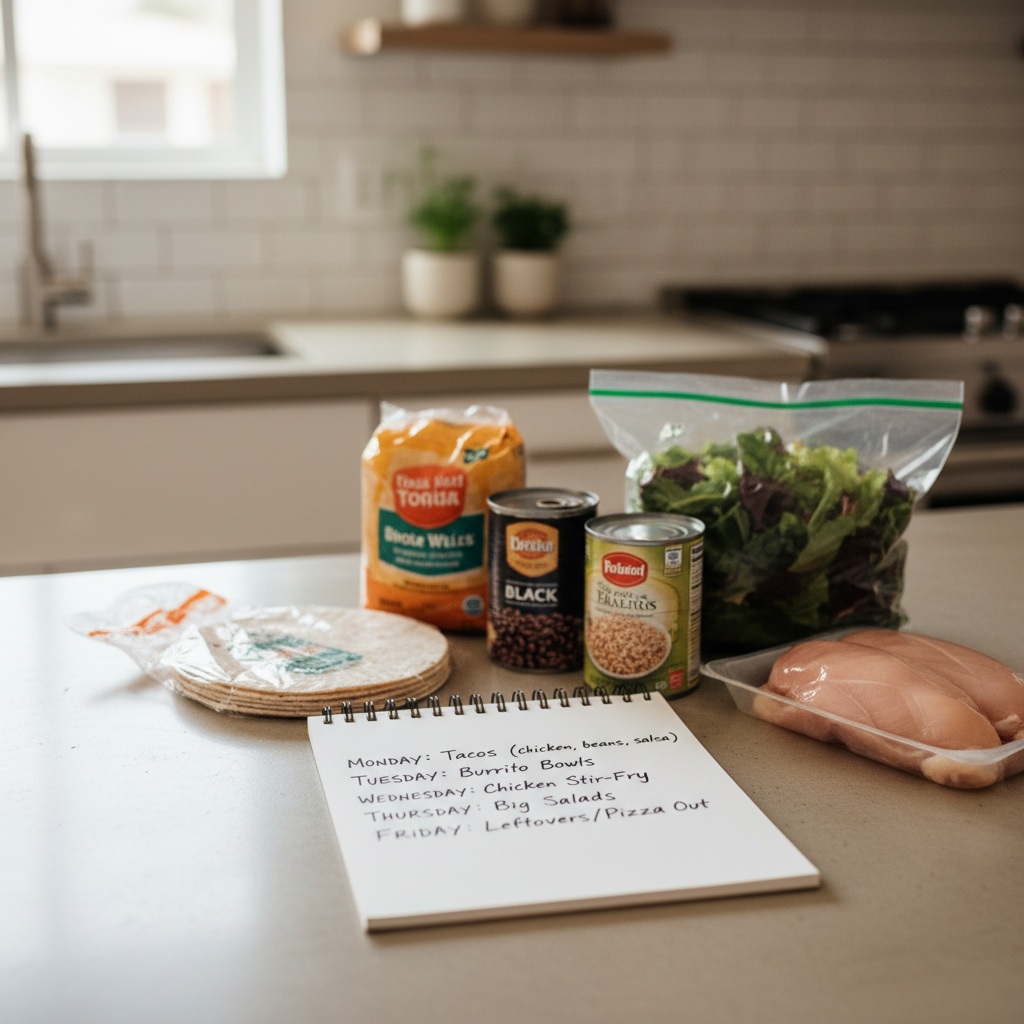
- Pick 3 “default dinners” and repeat them weekly until they feel automatic.
- Front-load one prep you don’t hate: cook a pot of rice, wash fruit, or portion snack veggies.
- Use the 2-minute reset right after dinner: load dishwasher, wipe counters, set out tomorrow’s pan.
- Plan for the late eater: keep a “reheat-friendly” portion separate before serving.
According to CDC, food safety basics matter even on busy nights, like keeping perishable foods out at room temperature too long. If dinner drags on, it’s usually safer to refrigerate leftovers sooner and reheat later.
If you’re feeding someone with allergies or medical nutrition needs, shortcuts can get tricky. In those cases, it’s often worth asking a registered dietitian or your clinician for guidance, especially if you’re unsure about ingredients or cross-contact risk.
Mistakes that quietly sabotage weeknight dinners
These are common, and fixing even one can make weeknights calmer.
- Buying “aspirational groceries” instead of realistic staples you’ll actually use on Tuesday.
- Overcomplicating sides: two simple sides beat one elaborate one that burns your time.
- Skipping a backup plan: keep one emergency meal (frozen dumplings, soup, or pantry pasta).
- Trying to please everyone every night: build in one customizable dinner each week.
- Ignoring cleanup friction: if a recipe destroys the kitchen, it’s not a weeknight recipe.
Key takeaways (printable mindset)
- Family meals work better with templates than with constant new recipes.
- Keep options narrow on weekdays, save experimentation for when you have bandwidth.
- Make dinner build-your-own once or twice a week to reduce picky-eater battles.
- Stock smart shortcuts like frozen veg, jarred sauces, and ready grains.
Conclusion: make weeknights boring on purpose (in a good way)
Family meals don’t need to be elaborate to feel warm and satisfying, they just need to be predictable enough that you can pull them off when the day runs long. Start with two or three default dinners, keep one backup option for chaos nights, and let repetition do the heavy lifting.
If you want one action to take today, write down your next three weeknight dinners and the exact groceries they require, then shop for those and nothing else. Tomorrow will feel noticeably easier.
FAQ
What are the easiest family meals for weeknights when everyone is hungry now?
Go with fast-assembly dinners: taco bowls, breakfast-for-dinner, pantry pasta, or rotisserie chicken plates. If it can be served in 15–20 minutes with minimal chopping, it’s usually a safe bet.
How do I plan family meals without cooking every night?
Build in leftovers on purpose. Roast extra protein once, then repurpose it for bowls, salads, or quesadillas. Many households find 3 cooking nights + 2 leftover nights more realistic than cooking daily.
What if my kids refuse “mixed” foods like casseroles?
Keep components separate. Think bowls, taco bars, pasta with sauce on the side, or sheet-pan meals served in sections. You still eat the same meal, just not combined.
Are frozen vegetables “as good as fresh” for family dinners?
In many cases, frozen vegetables are a practical choice and can fit a balanced meal. They’re consistent, quick, and reduce waste, especially if fresh produce tends to spoil in your fridge.
How can I make weeknight dinners healthier without adding time?
Add one produce item by default, like a salad kit, microwaved frozen broccoli, or sliced fruit. According to USDA MyPlate, aiming for a mix of food groups helps, and you can do that with shortcuts.
What are good pantry staples for quick family meals?
Keep a short list: pasta, rice, tortillas, canned beans, canned tomatoes or marinara, broth, tuna, nut butter, and a couple seasoning blends. Pair those with a few freezer staples and dinners come together faster.
How do I handle different dinner schedules in the same household?
Serve a “core meal” that reheats well, and set aside a portion before it hits the table. Bowls, soups, pasta, and sheet-pan proteins are usually more forgiving than anything that needs to stay crispy.
What’s a realistic grocery strategy for weeknight family meals?
Shop for templates, not recipes. Choose two bases, two proteins, and two vegetables for the week, then buy sauces or seasonings that change the flavor. It cuts waste and makes dinner decisions simpler.
If you’re trying to make family meals happen more often but you’re tired of reinventing dinner every week, a simple meal template plus a short shopping list can be the more “set it and forget it” route, and it still leaves room for fun meals when you actually have time.