
Spring rolls are one of those foods that feel simple until you try to make them truly crispy at home, not blistered in spots, not chewy at the seam, and definitely not leaking oil onto the plate.
If you’ve ever pulled a batch from the fryer and watched them soften five minutes later, you’re not alone, the crunch comes down to a handful of controllable choices: wrapper type, moisture management, oil temperature, and how you handle the roll before it ever hits heat.
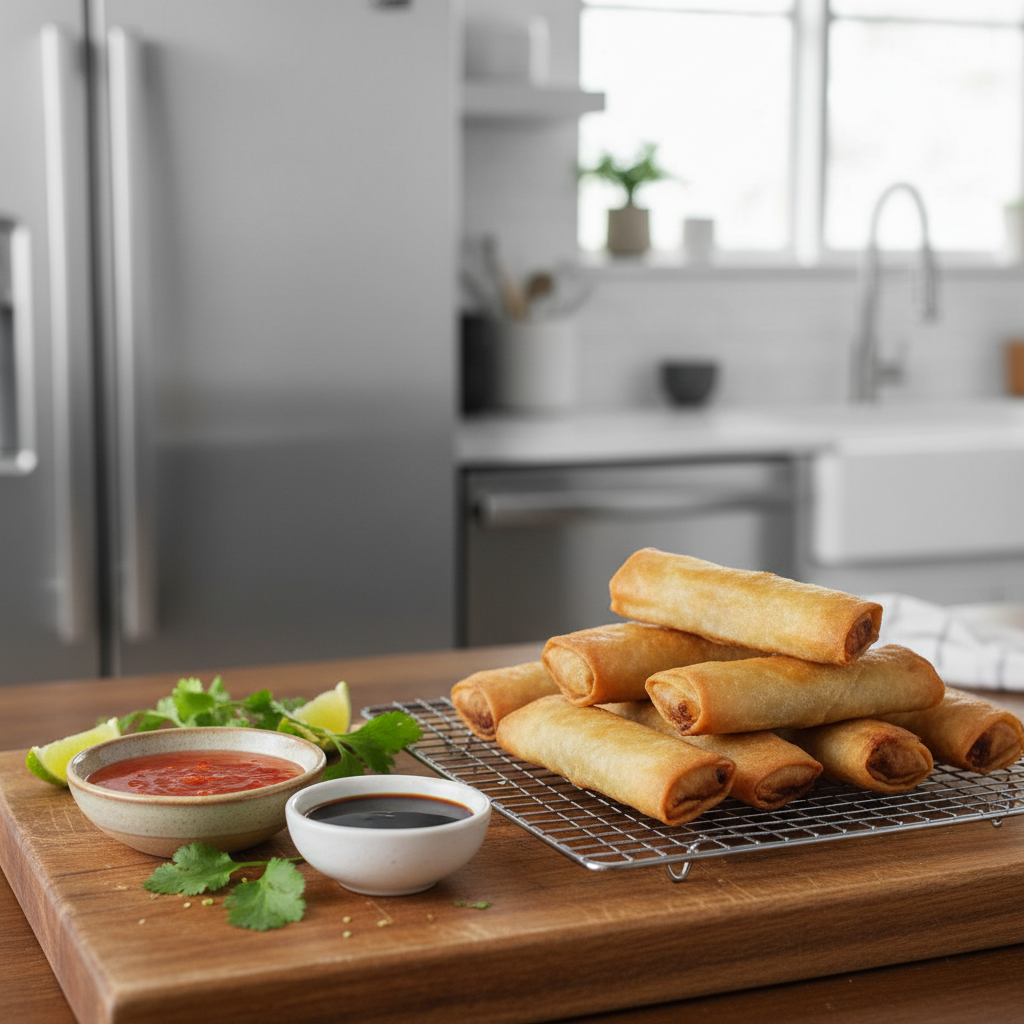
This guide gives you a few reliable recipes plus the real “why it works” details, so you can adjust to your own kitchen, your own wrappers, and whatever filling you actually want to use, without guessing.
What usually makes spring rolls lose their crunch
The main enemy is moisture, but it shows up in sneaky ways, not just “wet filling.” In most kitchens, sogginess comes from a small stack of issues happening together.
- Wrappers absorbing liquid: juicy vegetables, under-drained noodles, or hot filling trapped in the roll can steam the wrapper from the inside.
- Oil temperature drifting: too cool and the wrapper soaks up oil, too hot and the outside browns before the inside heats, then the crust softens as it rests.
- Overstuffing: a thick roll takes longer to heat through, so you end up frying longer, which usually means a greasier crust.
- Seam issues: a loose seam opens, oil sneaks in, filling leaks out, and the wrapper turns soft where it’s been “washed” by oil.
- Wrong resting setup: a plate traps steam, a rack lets air circulate so the crust stays dry.
According to USDA Food Safety and Inspection Service (FSIS), keeping foods out of the temperature “danger zone” matters for safety, so if you prep fillings ahead, cool and store them properly and reheat as needed, especially with meat or seafood.
A quick self-check before you cook (so you don’t chase the wrong fix)
Use this as a fast diagnosis. It saves time because “fry longer” is often the least helpful move.
- Your rolls go soft within 5–10 minutes: usually steam trapped during resting, switch to a rack and avoid covering.
- They’re greasy right out of the oil: oil likely too cool, or rolls crowded, or filling too wet.
- Wrappers bubble then tear: oil too hot, or wrapper dried out while you worked, or over-tight rolling.
- Seams pop open: not enough sealing “glue,” or you’re placing seam-side up first.
- Inside is hot but wrapper stays pale: oil not hot enough, or you’re using an egg roll wrapper when you meant thin spring roll pastry, different products brown differently.
If you only change one thing, change moisture control, it’s the most common root cause behind “why aren’t my spring rolls crispy?”
Ingredients and tools that actually matter (with easy substitutes)
There are many regional styles of spring rolls, but for the crunchy, blistered shell most Americans expect from takeout, thin wheat-based spring roll wrappers tend to behave differently than thicker egg roll wrappers.
- Wrappers: look for “spring roll pastry” (often frozen). Egg roll wrappers work, but the texture is more bready and can turn chewy if undercooked.
- Neutral oil: canola, peanut, or vegetable oil, choose something with a higher smoke point for deep frying.
- Wire rack: non-negotiable if you want crunch that lasts.
- Thermometer: helpful for consistency, especially if your stovetop runs hot/cool.
- Sealing slurry: flour + water (or cornstarch + water). Egg wash can work, but can brown faster.
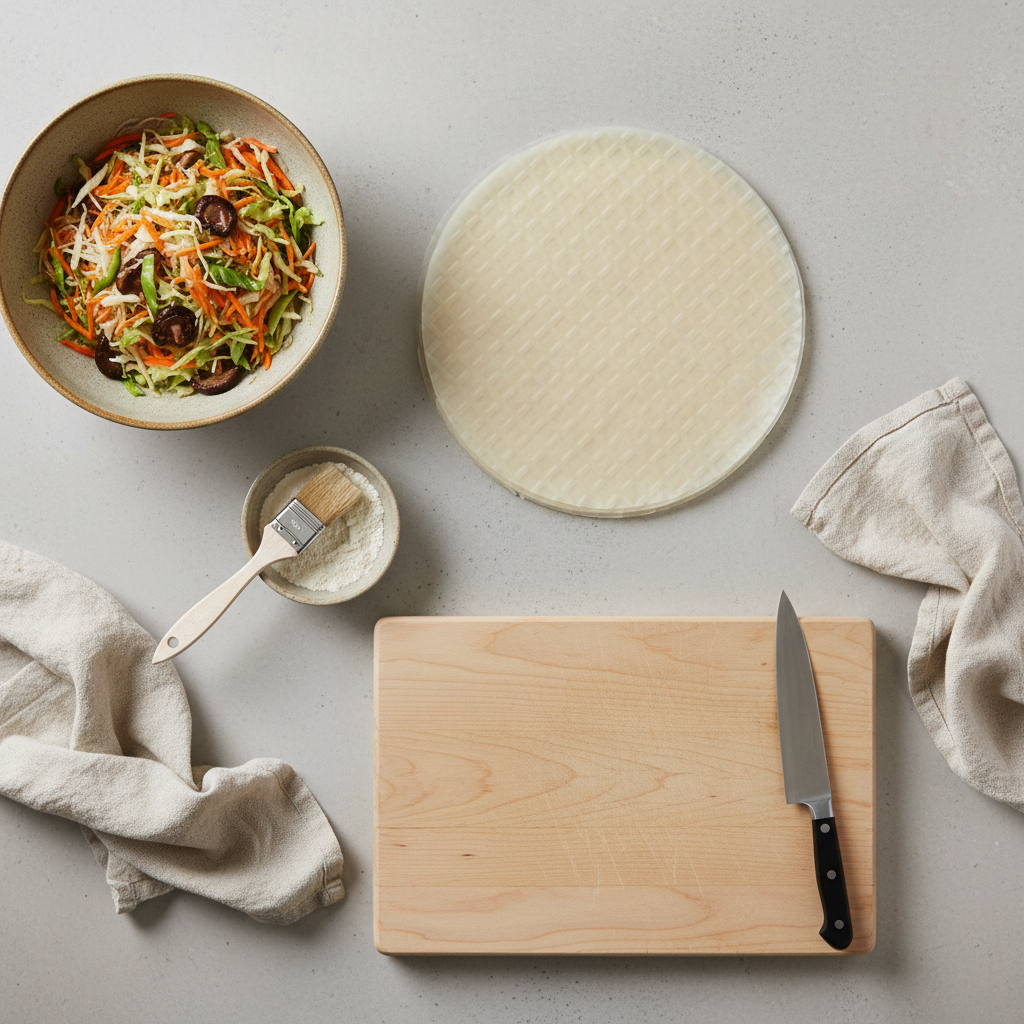
Key point: keep wrappers covered with a barely damp towel while you work, many tears and seam failures come from wrappers drying out on the counter.
3 crispy spring roll recipes you can rotate all year
All three recipes follow the same crispness rules: cool the filling, drain it well, keep rolls medium size, seal firmly, and cook in steady heat.
Recipe 1: Classic veggie & noodle spring rolls (crunchy, light)
Best for: party trays, weeknight batches, a “clean” crunch without heaviness.
- 2 cups shredded cabbage
- 1 cup shredded carrots
- 1 cup bean sprouts (optional but nice for texture)
- 3 oz rice vermicelli, cooked, rinsed cold, and drained very well
- 2 scallions, sliced
- 2 cloves garlic, minced
- 1 tbsp soy sauce
- 1 tsp toasted sesame oil
- Black pepper to taste
Cook: quick-sauté garlic and vegetables 2–3 minutes, you want a slight softening but not a watery collapse. Toss with drained noodles, season, then spread on a sheet pan to cool fully before rolling.
Recipe 2: Chicken & mushroom spring rolls (savory, takeout-style)
Best for: people who want a heartier filling that still stays crisp.
- 10 oz ground chicken (or finely chopped cooked chicken)
- 1.5 cups finely chopped mushrooms
- 1 cup shredded cabbage
- 1 tbsp soy sauce
- 1 tsp grated ginger
- 1 tsp cornstarch mixed with 1 tbsp water (helps bind juices)
Cook: brown chicken, add mushrooms and cabbage, cook until mushrooms release moisture and most of it evaporates. Stir in soy, ginger, then the cornstarch slurry to tighten the mixture. Cool completely before wrapping.
Recipe 3: Shrimp & chive spring rolls (fast, restaurant-like bite)
Best for: smaller rolls, quicker frying, crisp edges with a bouncy center.
- 8–10 oz shrimp, chopped
- 1.5 cups garlic chives or scallions, chopped
- 1 tsp soy sauce
- 1 tsp cornstarch
- Pinch of white pepper
Cook: stir-fry shrimp briefly until just turning pink, add chives, season, sprinkle cornstarch, cook 30–60 seconds more. Overcooking shrimp makes the filling drier, but also tougher, so keep it quick and cool it down before rolling.
Technique: how to roll and seal so they fry up crisp (not oily)
This is where most “I followed a recipe” batches go sideways, the physics is simple: less trapped steam, tighter surface, fewer leaks.
- Cool filling first: warm filling creates steam in the wrapper while you roll and during cooking.
- Drain aggressively: press noodles and vegetables in a strainer, then blot with paper towel if needed.
- Use less filling than you think: aim for a medium cigar shape, not a burrito.
- Roll snug, not strangled: tight enough to remove air gaps, gentle enough to avoid tearing.
- Seal with slurry: brush the last flap, press firmly, then let it sit seam-side down 1–2 minutes.
Key point: if you stack raw spring rolls, separate with parchment so they don’t glue together and rip.
Frying vs baking vs air frying (what stays crispy longest)
Deep frying usually gives the most reliable crunch, but you can still get good results with the oven or air fryer if you adjust expectations and technique.
| Method | Crispness | Best use | Practical tips |
|---|---|---|---|
| Deep fry | High, blistered shell | Parties, classic texture | Keep oil steady around 350–365°F, fry in small batches, drain on rack |
| Shallow fry | Medium-high | Smaller batches | Turn often, watch seam side, avoid overcrowding |
| Air fry | Medium | Weeknights | Light oil spray, don’t stack, flip halfway, seam-side down first |
| Bake | Low-medium | Big batch, lower mess | Brush with oil, bake hot (around 425°F), rotate tray for even browning |
According to U.S. Food and Drug Administration (FDA), using a food thermometer is a practical way to confirm safe internal temperatures for cooked meats, if you’re making chicken or shrimp filling and you’re unsure, it’s worth checking rather than guessing.
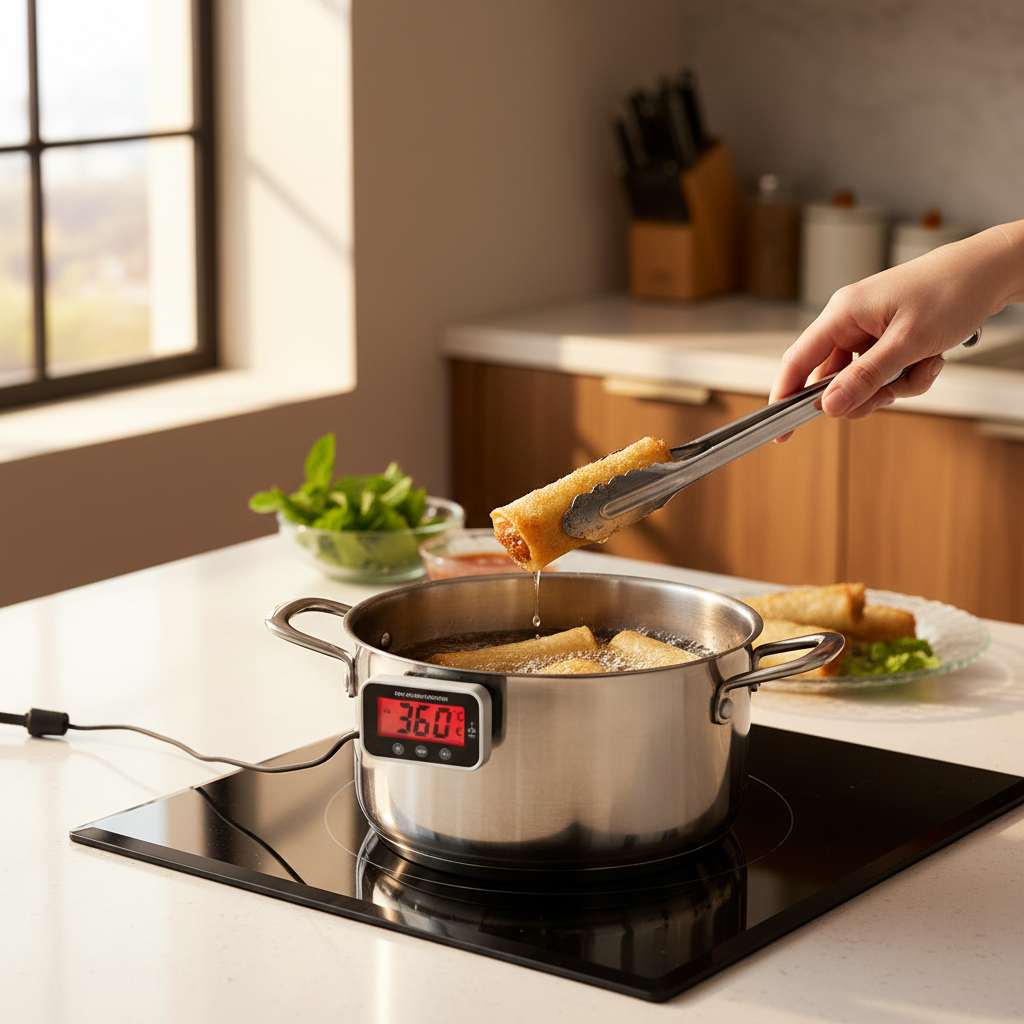
For deep frying: if your oil drops a lot when you add rolls, your batch size is too big or your pot too small, that’s when spring rolls start drinking oil.
Practical make-ahead and reheat plan (so they stay crackly)
Spring rolls can be a great prep-ahead food, but only if you choose the right stage to pause.
- Best make-ahead option: roll them, freeze on a tray until solid, then bag. Fry from frozen, adding a little time, often this improves crispness because the wrapper sets before the filling heats.
- Okay option: roll and refrigerate short-term (same day). Keep covered so wrappers don’t dry and crack.
- Least ideal: frying early, then hoping to “keep warm,” they’ll soften unless you manage airflow.
Reheat tip: use an oven or air fryer to bring back crispness. Microwaves make the wrapper limp, that’s just how they work with starch.
Common mistakes (and the small fixes that matter)
- Using hot filling: cool it on a sheet pan, speed matters here.
- Skipping the rack: draining on paper towel is fine for a minute, but resting on a rack keeps the bottom from steaming.
- Too much sauce inside: keep strong liquids for dipping, not stuffing.
- Not tasting filling before rolling: once wrapped, you’ll hesitate to adjust seasoning, taste first, then assemble.
- Trying to “fix” pale rolls by longer frying: usually you need hotter oil, not more time.
Conclusion: a crisp shell is mostly prep, not luck
If your spring rolls keep coming out soft, it’s usually not your recipe, it’s moisture, temperature control, and what happens in the two minutes after cooking. Start by cooling and drying the filling more than feels necessary, fry in smaller batches, then rest on a rack so steam can escape.
If you want one action step, pick one recipe above and run a small test batch of four rolls, adjust oil temperature and filling dryness, then scale up once you see the crunch you like.
FAQ
Why are my spring rolls crispy at first, then turn soft?
Most of the time it’s steam with nowhere to go, especially if they rest on a plate or get covered. Let them cool on a wire rack, and avoid stacking until the crust sets.
What oil temperature should I use for crispy spring rolls?
Many home cooks land in the 350–365°F range for deep frying, but your stove and pot size change how stable that stays. If the oil drops hard when rolls go in, fry fewer at a time.
Can I use egg roll wrappers instead of spring roll pastry?
Yes, but expect a thicker bite and sometimes a chewier surface. If you go this route, keep the rolls a bit smaller and make sure the wrapper cooks through before pulling.
How do I keep spring rolls from bursting open while frying?
Don’t overfill, roll snugly, and seal with a flour-water slurry. Also start frying seam-side down for the first 20–30 seconds so the seam sets.
Is it better to fry from fresh or frozen?
Frozen can work surprisingly well for crunch, because the wrapper firms up early in cooking. Just add a little time and keep your oil temperature steady.
How do I make air-fried spring rolls crispy?
Lightly oil the outside, leave space for airflow, and flip halfway. Air fryers vary a lot, so treat the first batch as calibration, then adjust time and temperature.
What dipping sauces pair best with crispy spring rolls?
Sweet chili sauce is the obvious crowd-pleaser, but a simple mix of soy sauce, rice vinegar, and a little sesame oil tastes more “savory.” If your filling is salty, go lighter on the dip.
If you’re trying to standardize spring rolls for a party, a weekly meal prep routine, or a small catering menu, it can help to write down your wrapper brand, filling moisture steps, and cooking temps so you can repeat results without re-learning the same lesson each time.