
Tomato mozzarella salad is one of those dishes that looks effortless, yet it’s easy to end up with watery slices, muted flavor, or a plate that feels more like “ingredients” than a salad.
The good news is you don’t need chef tricks, you need a few small decisions that add up: which tomatoes hold up, how to salt, when to add basil, and how to keep mozzarella from dulling everything down.
This guide walks you through a Caprese-style approach that works for weeknights, summer cookouts, and “I need something nice in 10 minutes” dinners, with clear steps, swaps, and a couple of reality checks.
What Makes a Caprese-Style Salad Actually Work
At its best, this salad is a balance of sweet-acid tomato, milky mozzarella, herbal basil, and fruity olive oil, with salt pulling everything into focus. If one part underperforms, the whole plate feels flat.
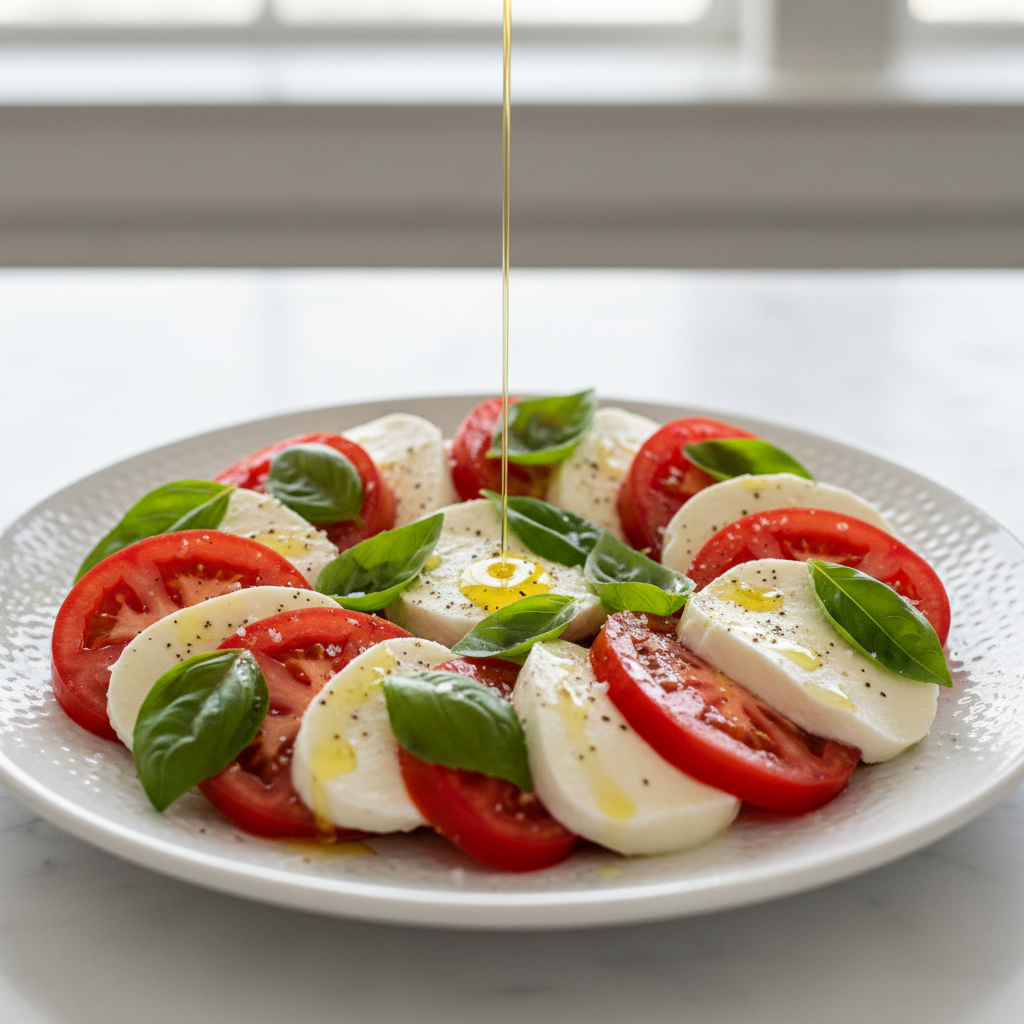
Here are the non-negotiables that usually decide the outcome:
- Tomato quality and temperature: ripe, fragrant tomatoes at room temp taste dramatically better than cold ones.
- Salt timing: too early can flood the plate, too late can leave you chasing flavor.
- Mozzarella moisture control: fresh mozzarella can leak water and dilute seasoning if you don’t manage it.
- Acid balance: balsamic is optional, but some acidity (even from the tomato) keeps it bright.
According to USDA Food Safety and Inspection Service (FSIS)... keep highly perishable foods (like fresh mozzarella) out at room temperature for longer than 2 hours, and less in hot outdoor conditions; if you’re serving outside, chilling components and plating closer to serving time often helps.
Ingredient Choices That Avoid a Watery, Bland Plate
You can make a good tomato mozzarella salad with simple grocery-store finds, but a few choices reduce common failures.
Tomatoes
- Best for slicing: beefsteak, heirloom, vine-ripened, Campari.
- Best for bite-size: cherry or grape tomatoes (less watery on the plate).
- Skip when possible: very pale, hard tomatoes with little aroma; they tend to taste like cold water.
Mozzarella
- Fresh mozzarella (ball/log): classic, creamy, but higher moisture.
- Buffalo mozzarella: richer and softer; great, but even more delicate.
- Low-moisture mozzarella: not traditional for Caprese, yet it can work for meal prep because it stays firmer.
Olive oil, basil, and extras
- Extra-virgin olive oil matters here because it’s not hidden in cooking.
- Fresh basil should smell like basil from inches away; if it smells like nothing, it will taste like nothing.
- Balsamic: use lightly, or choose a thicker glaze if you want lines that won’t pool.
Quick Self-Check: What’s Going Wrong With Yours?
If your version disappoints, it’s usually one of these. Pick the closest match, then fix that first instead of changing everything at once.
- It’s watery → tomatoes sliced too early, mozzarella too wet, or heavy salting far in advance.
- It tastes bland → under-salted, tomatoes served cold, or weak olive oil.
- It tastes “heavy” → too much cheese for the amount of tomato, or balsamic glaze overused.
- Basil turns dark → cut too early, bruised, or dressed and left sitting.
- Everything slides around → too much oil or wet slices; switch to torn mozzarella or halved tomatoes.
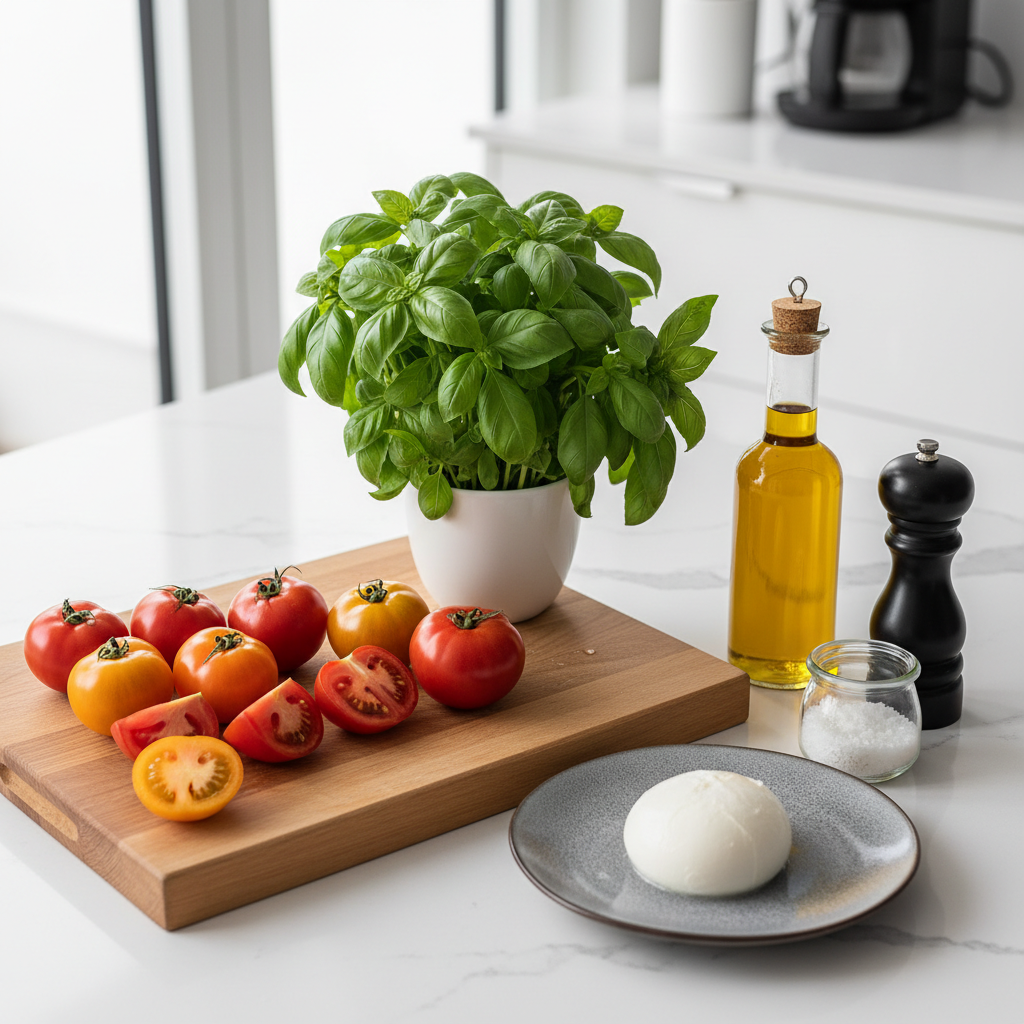
Caprese Method: Step-by-Step (10–15 Minutes)
This is the practical version: clean flavors, controlled moisture, and a plate that still looks good after a few minutes on the table.
1) Bring tomatoes closer to room temp
If tomatoes came from the fridge, let them sit 20–30 minutes if you can. Cold tomatoes mute sweetness and aroma, which is basically the whole point of the dish.
2) Slice, then lightly pre-salt
Slice tomatoes about 1/4 inch thick. Sprinkle a small pinch of salt on one side and let them sit 5–8 minutes. You’re not “curing” them, you’re waking them up.
3) Manage mozzarella moisture
Pat fresh mozzarella with paper towels. If it’s very wet, slice it, then pat again. In many home kitchens, this step is the difference between bright flavors and a puddle.
4) Assemble with intention
- Alternate tomato and mozzarella slices, or do a loose layered platter.
- Tear basil instead of chopping if you want less bruising and dark edges.
- Drizzle olive oil lightly, then add black pepper.
5) Finish salt and optional acid
Taste a tomato edge, then adjust salt. Add a few drops of balsamic or red wine vinegar if your tomatoes taste sweet but not lively, this is common early or late in the season.
Scaling It Up: Portions, Plating, and Make-Ahead Reality
For a crowd, you’re usually balancing three things: speed, temperature, and preventing that “soupy tray” issue.
Simple ratio guide
These ratios aren’t strict, but they keep the salad from becoming a cheese plate with tomato decoration.
| Serving style | Tomatoes | Mozzarella | Basil & oil |
|---|---|---|---|
| Classic sliced platter | 1 medium-large tomato per person | 2–3 oz per person | Handful of basil + 1–2 tsp oil per person |
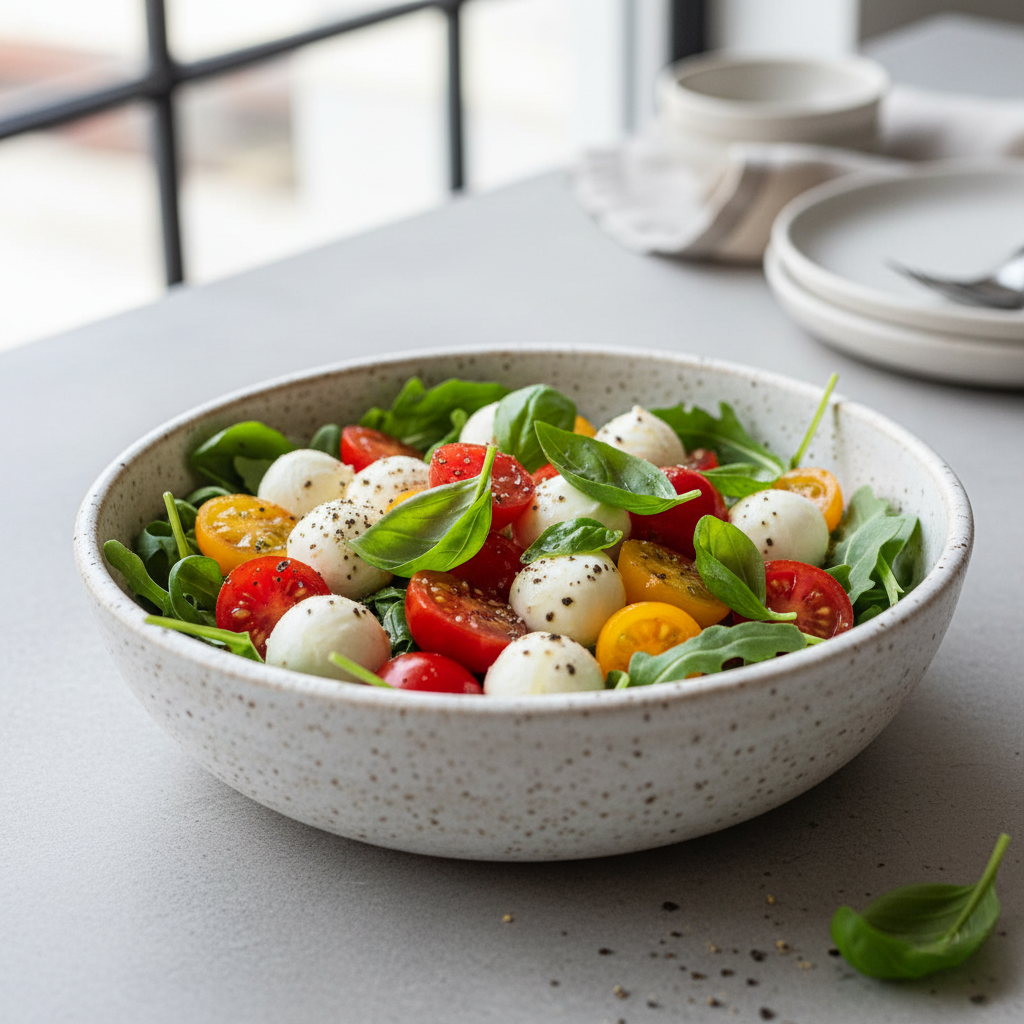
| Cherry tomato bowl | 1–1.5 cups per person | 2 oz small mozzarella pearls | Basil ribbons + light oil toss |
| Appetizer skewers | 3–4 cherry tomatoes | 3–4 mozzarella pearls | Basil leaves + drizzle right before serving |
Make-ahead tips that don’t backfire
- Prep ahead: wash basil, slice tomatoes, pat mozzarella, store separately.
- Hold dressing: add oil, salt, and any vinegar close to serving.
- Outdoor serving: keep cheese chilled, then assemble smaller platters in waves.
Variations That Still Taste Like “Caprese”
Sometimes you’re working with what’s in the fridge, or you want it to eat like a meal. These options usually stay true to the original flavor profile.
- Protein add-on: shredded rotisserie chicken or prosciutto on the side; keep it separate so the salad stays clean.
- Avocado Caprese: adds creaminess, but go lighter on mozzarella so it doesn’t feel too rich.
- Peach + tomato: works when tomatoes are a little underwhelming; keep balsamic minimal.
- Arugula base: turns it into a fork-friendly salad; dress greens lightly first, then top with tomato and cheese.
Common Mistakes (and What to Do Instead)
Most “bad Caprese” isn’t because someone can’t cook, it’s usually timing and moisture.
- Drowning it in balsamic glaze: use a few thin lines or serve on the side, especially if tomatoes already taste acidic.
- Salting hours early: salt closer to serving, or pre-salt briefly then blot excess juice if needed.
- Using cold mozzarella straight from the fridge: let it sit 10–15 minutes so the texture softens, within food-safety limits.
- Chopping basil into tiny bits: tearing keeps it more aromatic and less bruised.
- Over-oiling: start light, then add more only if the tomato needs it.
Key takeaways: pick ripe tomatoes, control water, season in two passes, and dress late. That’s the whole game.
Conclusion: A Simple Salad That Rewards Small Details
A tomato mozzarella salad doesn’t need a reinvention, it needs restraint and timing. When tomatoes taste like tomatoes and the cheese stays creamy instead of watery, the whole plate feels restaurant-level without extra work.
If you want a quick next step, do this once: pat the mozzarella dry, lightly pre-salt the tomatoes, then finish with good olive oil and basil right before serving. After that, adjust based on your tomatoes, not a rigid recipe.
FAQ
How do I keep tomato mozzarella salad from getting watery?
Pat mozzarella dry, avoid heavy salting far in advance, and assemble close to serving. If tomatoes release lots of juice, briefly rest slices, then blot before plating.
Should I use balsamic vinegar or balsamic glaze?
Either works, but they behave differently. Vinegar spreads fast and can dominate, glaze gives controlled sweetness in small amounts. If your tomatoes are already sweet, go lighter.
Can I make Caprese salad ahead for a party?
You can prep components ahead, but the finished platter is best assembled shortly before serving. For longer events, make smaller platters and refresh them as needed.
What’s the best mozzarella for Caprese?
Fresh mozzarella is the classic choice for texture and flavor. If you need firmer slices for transport, a slightly drier fresh log often behaves better than very wet balls.
Do tomatoes need to be refrigerated?
Many tomatoes taste better at room temperature, but ripeness and kitchen heat matter. If it’s very hot or you’re holding them for longer, refrigeration may help, then bring them back toward room temp before serving.
How much salt should I use?
Enough that the tomato tastes more “tomato,” not salty. Start small, taste, then adjust at the end since mozzarella and any vinegar also shift the balance.
Is tomato mozzarella salad healthy?
It can fit many eating styles, but “healthy” depends on portion size and dietary needs. If you’re managing sodium or saturated fat, consider smaller mozzarella portions and a lighter hand with salt, and ask a clinician if you need personalized guidance.
If you’re planning a cookout or just want a more dependable weeknight version, it often helps to pick one format and stick to it, sliced platter for “nice,” cherry-tomato bowl for “easy,” skewers for “hands-off,” then dial in seasoning and timing from there.