
Oatmeal raisin cookies tend to disappoint for one of two reasons: they bake up dry and crumbly, or they spread into thin, sad puddles. This recipe aims for the middle ground people actually want, a soft center with chewy edges and enough structure to feel like a “real” cookie.
You’ll get a dependable base recipe, plus practical fixes for common problems like hard raisins, bland flavor, and inconsistent texture from batch to batch. I’ll also point out where small choices matter more than people think, like how you measure flour and when you add oats.
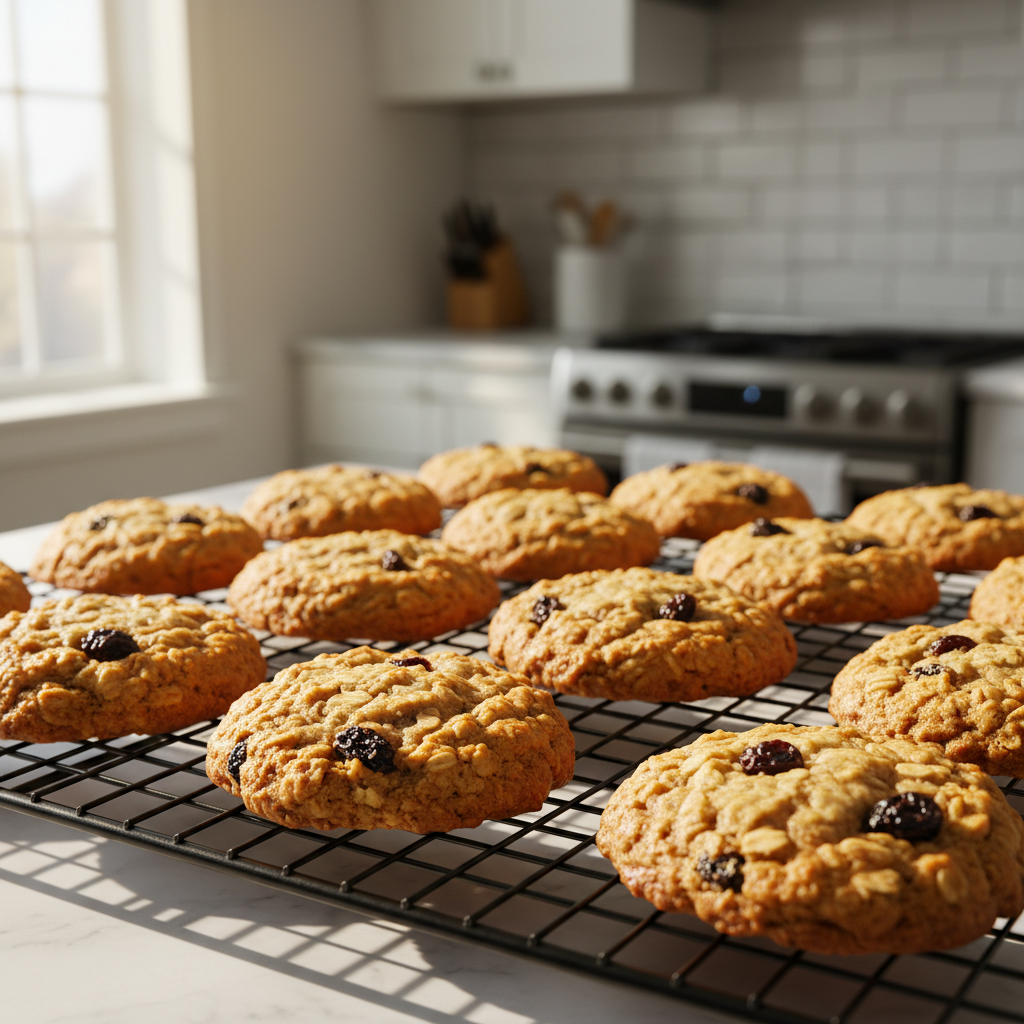
If you like options, you’re in luck: you can keep it classic, add warming spice, or tweak sweetness without wrecking the dough. Just don’t skip the “why” behind the steps, that’s where chewy cookies are made.
What makes an oatmeal raisin cookie chewy (and what ruins it)
Chewiness usually comes from moisture retention and controlled gluten development. In plain terms, you want a dough that stays hydrated and bakes through before it dries out.
- Brown sugar > white sugar: brown sugar brings molasses and moisture, which helps keep the centers soft.
- Enough fat, not too much flour: too much flour is the fastest path to a dry cookie. Measuring matters.
- Oats absorb liquid: rolled oats keep texture and chew, but they can drink up moisture if the dough sits too long.
- Overbaking is the silent killer: most people bake until the tops look “done,” then wonder why the next day is rock-hard.
According to USDA Food Safety and Inspection Service (FSIS), perishable foods should not sit at room temperature for more than 2 hours, so if you’re softening butter or soaking raisins, keep an eye on timing, especially in a warm kitchen.
Ingredients you’ll need (with smart substitutions)
This recipe sticks to pantry basics, but the details matter. Use old-fashioned rolled oats for the best chew. Quick oats can work, but the texture turns more “cakey” and less distinct.
- Unsalted butter: flavor and spread control. If using salted, reduce added salt a bit.
- Brown sugar + granulated sugar: chew plus crisp edge balance.
- Egg + egg yolk: the extra yolk adds richness and tenderness.
- All-purpose flour: spoon-and-level, don’t pack.
- Old-fashioned rolled oats: the backbone of oatmeal raisin cookies.
- Raisins: regular or golden. Consider plumping them (quick soak) if yours are dry.
- Cinnamon + vanilla: “bakery” flavor without being perfumey.
Optional add-ins that usually play nicely: chopped walnuts or pecans, orange zest, a pinch of nutmeg, or a small handful of shredded coconut. Chocolate chips can be fun, but they change the vibe.
The chewy oatmeal raisin cookies recipe (step-by-step)
Follow this as written once, then start tweaking. It’s easier to adjust a cookie you understand than to chase a moving target.
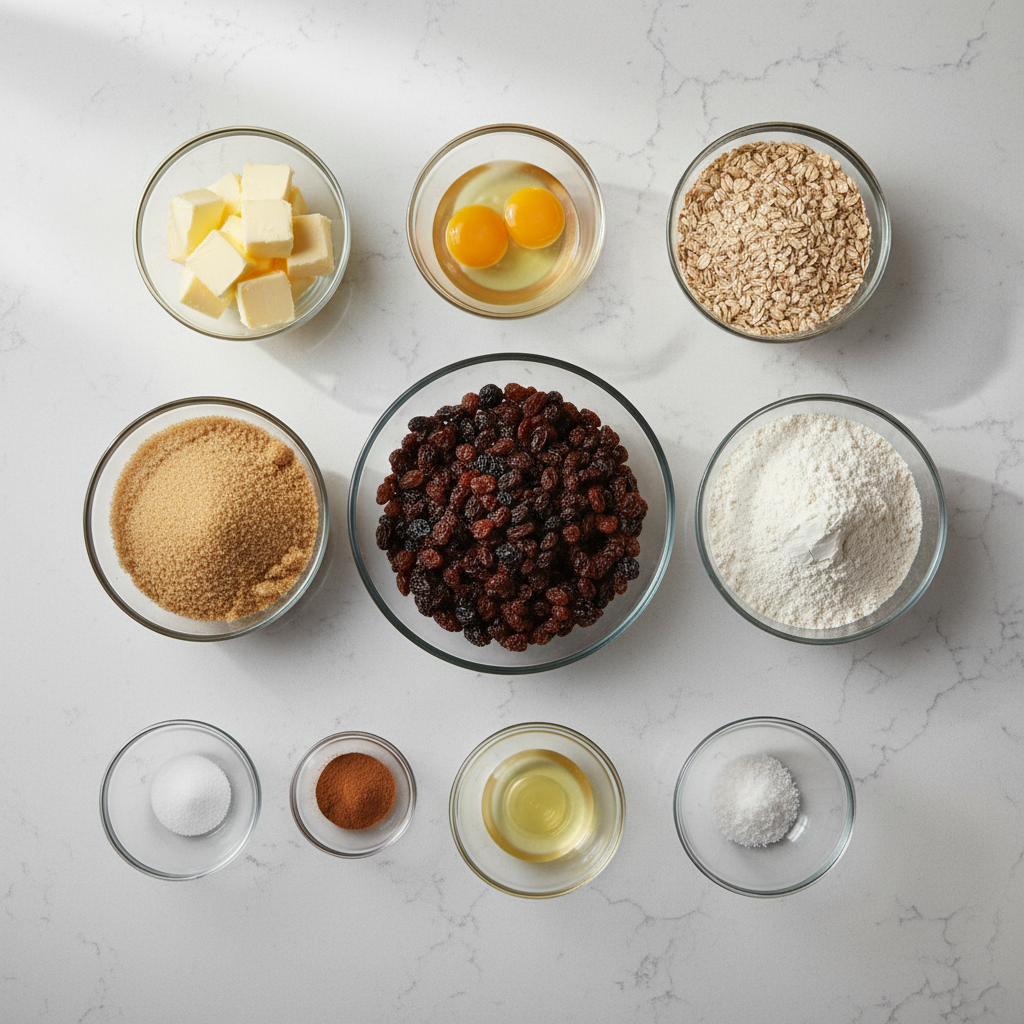
Ingredients (makes about 18–22 cookies)
- 1 cup (226 g) unsalted butter, softened but cool
- 1 cup (200 g) packed light brown sugar
- 1/3 cup (67 g) granulated sugar
- 1 large egg
- 1 large egg yolk
- 2 tsp vanilla extract
- 1 1/2 cups (180 g) all-purpose flour
- 1 tsp baking soda
- 1/2 tsp fine salt
- 1 1/2 tsp ground cinnamon
- 3 cups (240 g) old-fashioned rolled oats
- 1 cup (150 g) raisins
- Optional: 1/2 cup chopped walnuts
Directions
1) Prep. Heat oven to 350°F. Line 2 baking sheets with parchment. If raisins feel stiff, cover with hot water for 5–10 minutes, then drain well and pat dry.
2) Cream butter and sugars. Beat butter, brown sugar, and granulated sugar for about 2 minutes, just until fluffy. Don’t whip for ages, too much air can encourage extra spread.
3) Add eggs and vanilla. Beat in egg, then yolk, then vanilla. Scrape the bowl once, it matters more than you want it to.
4) Mix dry ingredients separately. Whisk flour, baking soda, salt, and cinnamon in a bowl, then add to the mixer on low until no dry streaks remain.
5) Fold in oats and raisins. Stir in oats, then raisins (and nuts if using). Stop once combined. Overmixing makes cookies tougher than necessary.
6) Portion. Scoop 2-tablespoon mounds (about 40–45 g each). Slightly flatten the tops, these cookies don’t always self-flatten evenly.
7) Bake. Bake 10–12 minutes until edges look set and centers still look a bit underdone. They finish cooking on the sheet.
8) Cool. Rest 10 minutes on the pan, then move to a rack. If you move them too fast, you risk tearing the soft centers.
Quick self-check: why your batch turns out dry, flat, or bland
If your oatmeal raisin cookies keep coming out “not quite right,” it’s usually one of these. This list saves a lot of re-baking frustration.
- Dry cookies: too much flour, baked too long, or oats sat in dough too long and absorbed moisture.
- Flat, greasy spread: butter too warm, tray too hot, or sugar ratio too high for your flour amount.
- Puffy and cakey: too much flour, too much oat, or dough overmixed after flour went in.
- Hard raisins: old raisins or baked without plumping when they’re already dried out.
- Bland: not enough salt/vanilla/cinnamon, or skipping brown sugar for all white sugar.
If you want that classic chew, focus on bake time and flour measuring before you change anything else. That’s where most “mystery problems” live.
Chewy texture tweaks (choose your path)
Once you like the baseline, these are safe adjustments that won’t blow up your dough. Pick one or two, not all at once.
| Goal | What to change | What you’ll notice |
|---|---|---|
| Softer center | Chill dough 30–60 min; pull cookies at the low end of bake time | More chew, less edge crisp |
| Less spread | Use cooler butter; bake on room-temp sheet pans | Thicker cookies, cleaner edges |
| More “butterscotch” flavor | Swap to dark brown sugar (same amount) | Deeper sweetness, slightly darker color |
| Plumper raisins | Soak raisins briefly, drain and dry well | Juicier bites, less “hard pebble” texture |
| More chew, less cake | Do not add extra flour; avoid overmixing after flour | Denser chew, less muffin-like crumb |
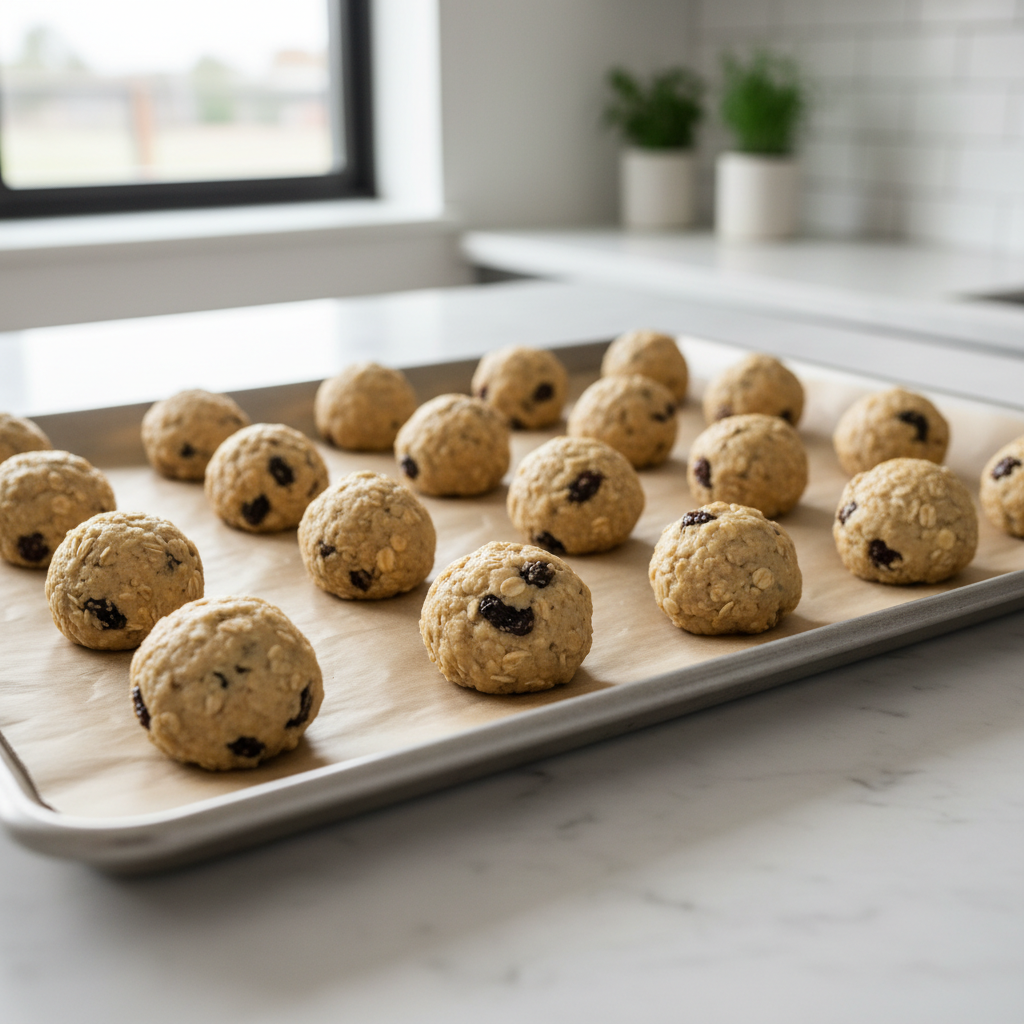
Key point: chilling is optional for flavor, but it’s a very practical tool for controlling spread and keeping the centers thick and chewy.
Practical baking tips that save a batch
These are the small habits that separate “pretty good” from “why are these so good” when you make oatmeal raisin cookies at home.
- Weigh flour if you can: a kitchen scale reduces accidental over-flouring.
- Use parchment, not a greased pan: extra grease encourages spread and oily bottoms.
- One tray at a time: more even heat, fewer surprises. If you rotate trays mid-bake, do it once and be gentle.
- Underbake slightly: centers should look a bit soft when you pull them.
- Rest on the pan: that carryover heat finishes the middle without drying it out.
Also, if your first sheet spreads more than the second, your pan may still be warm. That’s not a skill issue, it’s physics.
Storage, freezing, and food-safety basics
Chewy cookies can turn dry mainly because of air exposure. The fix is simple: seal them well, and don’t store them next to crunchy cookies.
- Room temp: airtight container for 3–4 days. Add a slice of bread if you want a little extra softness, replace if it dries out.
- Freeze baked cookies: cool completely, freeze in a sealed bag up to 2–3 months. Thaw covered so condensation doesn’t make them soggy.
- Freeze dough: scoop portions, freeze solid, then bag. Bake from frozen, adding about 1–3 minutes as needed.
According to USDA Food Safety and Inspection Service (FSIS), you should refrigerate perishable ingredients promptly, so if your dough contains add-ins that spoil easily, or your kitchen runs hot, refrigerating the dough is a reasonable precaution. If you have dietary or allergy concerns, it’s smart to consult a qualified professional.
Conclusion: a chewy cookie is mostly about timing and ratios
Good oatmeal raisin cookies aren’t about fancy tricks, they’re about measuring flour accurately, keeping butter at the right softness, and trusting the slightly-underbaked look. Once the base works, then you can play with spices, raisins, and mix-ins without losing that chewy center.
If you want a simple next step, bake one test tray of 3–4 cookies first, then adjust bake time by a minute either direction before committing the whole batch.
FAQ
Why did my oatmeal raisin cookies turn out dry even though I followed a recipe?
Most often it’s flour measurement or bake time. Scooping flour directly from the bag can pack it, and an extra tablespoon or two makes a noticeable difference in texture.
Should I chill dough for chewy oatmeal raisin cookies?
It’s not mandatory, but chilling helps control spread and can deepen flavor. If your kitchen is warm, it’s a very practical step.
Can I use quick oats instead of old-fashioned oats?
You can, but the cookie usually turns softer and less chewy with a more uniform texture. If that’s your preference, go for it, just expect a different bite.
How do I keep raisins from burning or getting hard?
Plump them briefly in hot water, drain, and dry well. Also avoid overbaking, raisins dry out fast in a few extra minutes.
What’s the best way to make these cookies thicker?
Use cooler butter, chill the dough, and bake on a room-temperature sheet pan. Adding extra flour “works,” but it often pushes the texture toward dry and bready.
Can I reduce sugar without ruining the texture?
A small reduction is possible, but sugar affects spread and chew, not just sweetness. If you cut too much, cookies can bake up drier and less tender.
How long should I bake oatmeal raisin cookies for a soft center?
Usually 10–12 minutes at 350°F for 2-tablespoon scoops, but ovens vary. Pull them when edges are set and centers still look slightly underdone.
If you’re baking for a crowd or you want a more predictable result every time, it helps to treat this recipe like a template: keep the base method, then choose one texture tweak and one flavor tweak, and write down what you changed so you can repeat the version you loved.