
Smoothie recipes can be the easiest breakfast that still feels like real food, but a lot of people end up with something watery, gritty, or oddly “healthy-tasting.” The good news is that creaminess is mostly a technique problem, not a talent problem.
In this guide, you’ll get a handful of reliable creamy breakfast blends, plus a simple formula to build your own without guessing. I’ll also flag the common moves that sabotage texture, because most “bad smoothies” come from the same few habits.
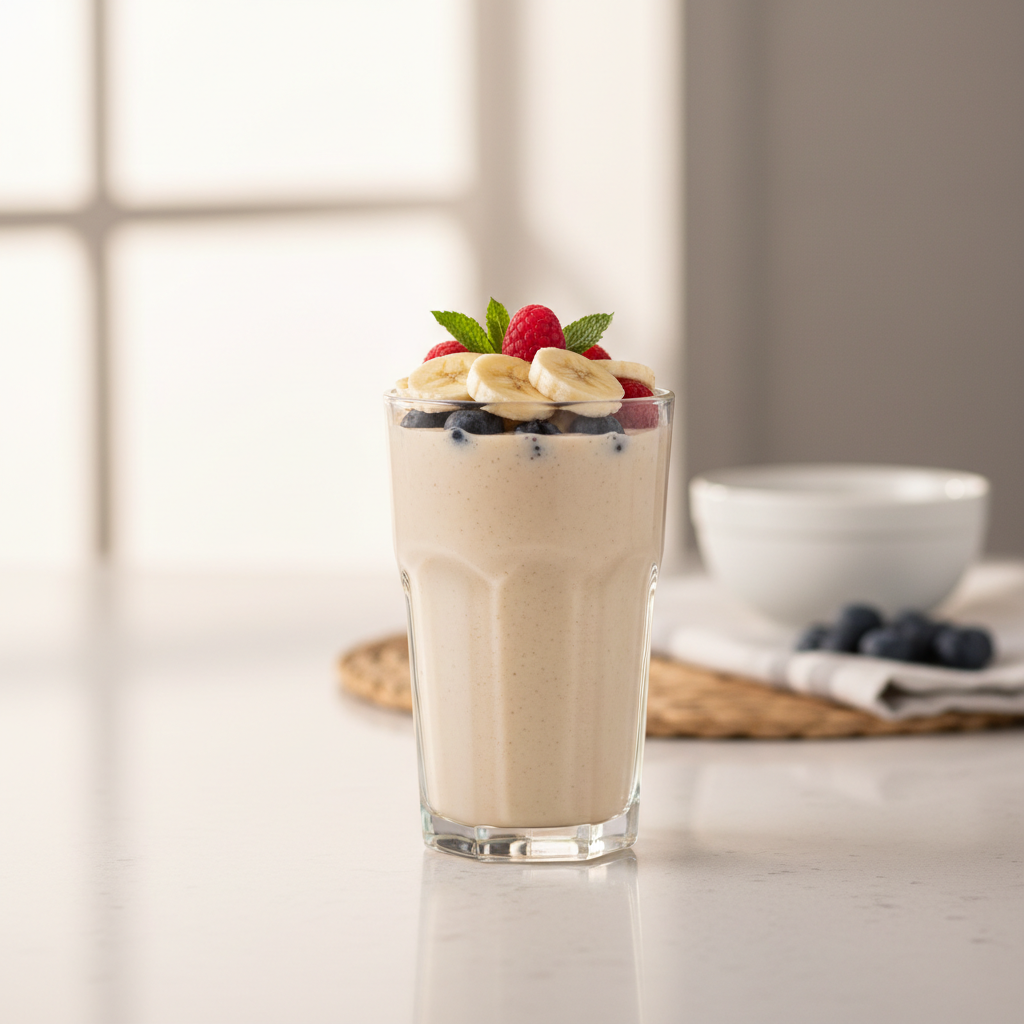
One quick note before we get into recipes: if you’re managing blood sugar, kidney issues, food allergies, or you’re pregnant, it’s smart to run major diet changes by a qualified clinician, especially if you plan to make smoothies a daily routine.
What makes a smoothie “creamy” (and why breakfast smoothies are different)
Creaminess usually comes from three things working together: a thick base, enough soluble fiber or protein to bind, and the right amount of liquid. Breakfast smoothies also need staying power, so you want texture and satiety.
- Thick base: frozen fruit, banana, avocado, yogurt, kefir, silken tofu, or cooked oats.
- Binder: Greek yogurt, chia, ground flax, nut butter, protein powder, or oats. These help prevent the “ice water” effect.
- Liquid control: start small, then add more. Most thin smoothies are just over-poured.
According to the U.S. Food and Drug Administration (FDA), foods like yogurt and milk are among common major allergens for some people, so swaps matter if you’re dairy-sensitive or have a true allergy. Pick alternatives you tolerate well, not whatever a recipe tells you to use.
The creamy breakfast smoothie formula (so you can stop following recipes forever)
If you want “creamy” on repeat, use a simple build that works with most smoothie recipes. Think in ratios, not rules.
Base ratio (one large serving)
- 1–1.5 cups frozen fruit or ice-free frozen base (like frozen banana)
- 3/4–1 cup liquid (milk, soy milk, oat milk, kefir, etc.), added gradually
- 1/2 cup creamy component (Greek yogurt, cottage cheese, avocado, silken tofu)
- 1 “stay-full” add-on (1–2 tbsp nut butter, 1–2 tbsp chia, 1/4 cup oats, or protein powder)
Blend order matters more than people admit: liquid first, then powders, then soft ingredients, then frozen items on top. That keeps blades moving and helps you avoid over-blending, which can turn some mixes oddly foamy.
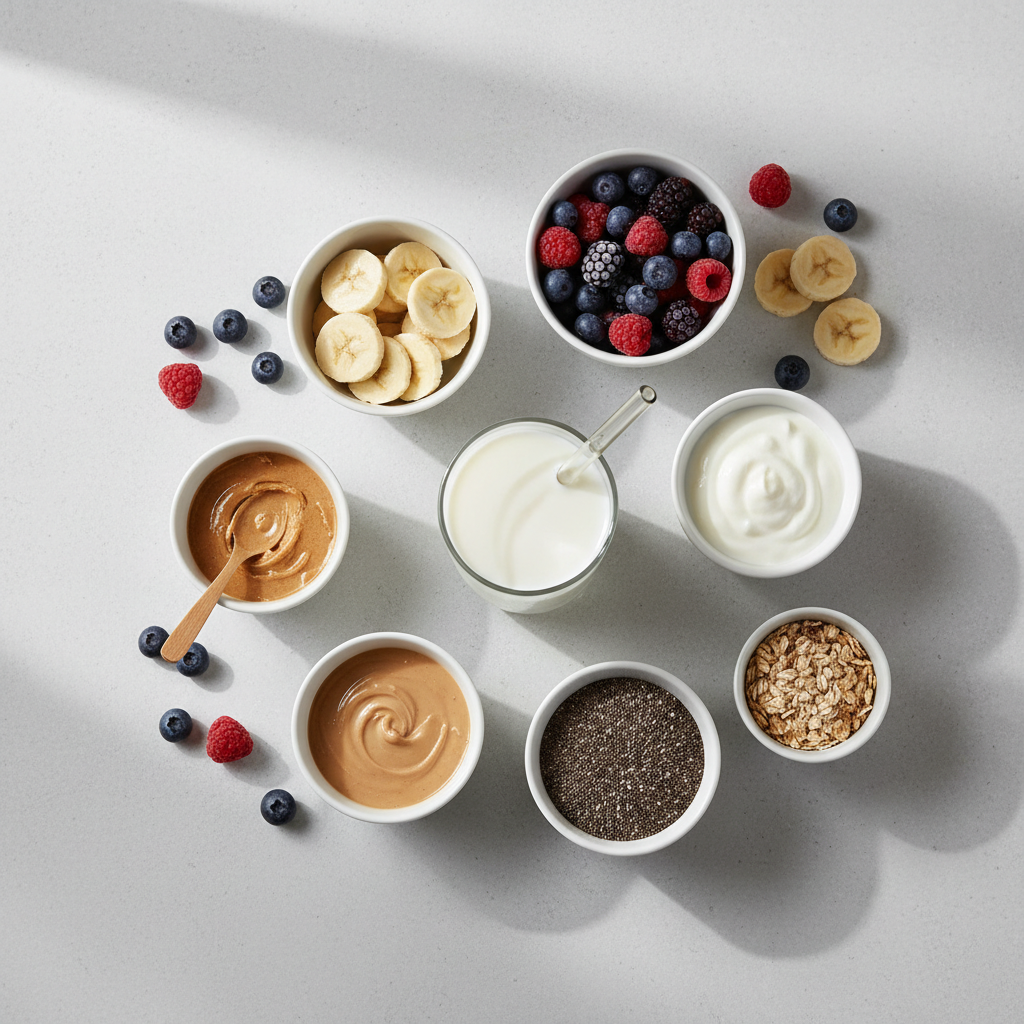
Key point: if it tastes good but feels thin, don’t add more fruit first. Add a binder (chia, oats, yogurt) or reduce liquid next time.
5 creamy smoothie recipes made for breakfast (with easy swaps)
These are built to be thick, not “juice in disguise.” Each makes roughly one large breakfast or two smaller servings, depending on appetite.
1) Banana-Oat Vanilla Cream
- 1 frozen banana
- 1/2 cup Greek yogurt (or thick soy yogurt)
- 1/3 cup rolled oats
- 3/4 cup milk of choice
- 1/2 tsp vanilla extract
- Pinch of salt
Make it work: If your blender struggles with oats, blend oats with the liquid first for 10 seconds, then add everything else.
2) Strawberry Cheesecake (without the weird sweetness)
- 1 1/2 cups frozen strawberries
- 1/2 cup cottage cheese (or Greek yogurt)
- 1 tbsp almond butter (optional, adds richness)
- 3/4 cup milk or kefir
- 1–2 tsp lemon juice
This one surprises people: cottage cheese blends smooth in most decent blenders and adds a “cheesecake” body without needing much sweetener.
3) Chocolate-Peanut Butter Breakfast Shake
- 1 frozen banana
- 1 tbsp peanut butter
- 1–2 tbsp cocoa powder
- 1/2 cup Greek yogurt
- 3/4 cup milk of choice
If you use protein powder, add it here and cut the yogurt slightly. Many smoothie recipes overdo powder, which can taste chalky, so start small.
4) Mango-Lassi Style (bright and thick)
- 1 1/2 cups frozen mango
- 2/3 cup plain yogurt (dairy or coconut yogurt)
- 1/2 cup milk or kefir
- Optional: pinch of ground cardamom
Use plain yogurt and let the mango provide sweetness. If it needs help, a date works better than dumping in a lot of honey.
5) Green Cream (not grassy)
- 1 cup frozen pineapple or mango
- 1 packed cup baby spinach
- 1/2 avocado
- 3/4 cup milk of choice
- 1 tbsp chia seeds
Spinach stays mild; kale can be great too, but it’s the one that tends to taste “green,” especially if you don’t balance it with enough fruit and fat.
Quick comparison table: choose a recipe by your morning goal
If you’re deciding in 10 seconds, this table helps. Adjust portions to your needs, and if you have medical nutrition concerns, consider checking with a registered dietitian.
| Recipe | Texture | Best for | Easy swap |
|---|---|---|---|
| Banana-Oat Vanilla Cream | Very thick, spoonable | Long meetings, no snack plan | Use soy milk + soy yogurt |
| Strawberry Cheesecake | Silky, rich | High-protein breakfast feel | Greek yogurt instead of cottage cheese |
| Chocolate-PB | Milkshake-like | Cravings, post-workout mornings | Sunflower seed butter for nut-free |
| Mango-Lassi Style | Creamy, bright | Hot weather, lighter appetite | Kefir for tang + thinner pour |
| Green Cream | Thick, smooth | More fiber, less added sugar | Cauliflower rice to reduce fruit |
Self-check: why your smoothie turns thin, icy, or gritty
If your breakfast blend never hits “creamy,” you’re usually in one of these buckets. Spot it fast, fix it fast.
- Too much liquid up front: start with 1/2 cup, then add as needed.
- Not enough frozen mass: use frozen fruit, not just ice. Ice dilutes flavor and texture.
- No binder: add oats, chia, yogurt, or nut butter to help emulsify.
- Seed grit: whole flax and some chia can feel sandy, grind flax or soak chia 5–10 minutes.
- Watery yogurt: some low-fat yogurts are thin; Greek-style usually gives better body.
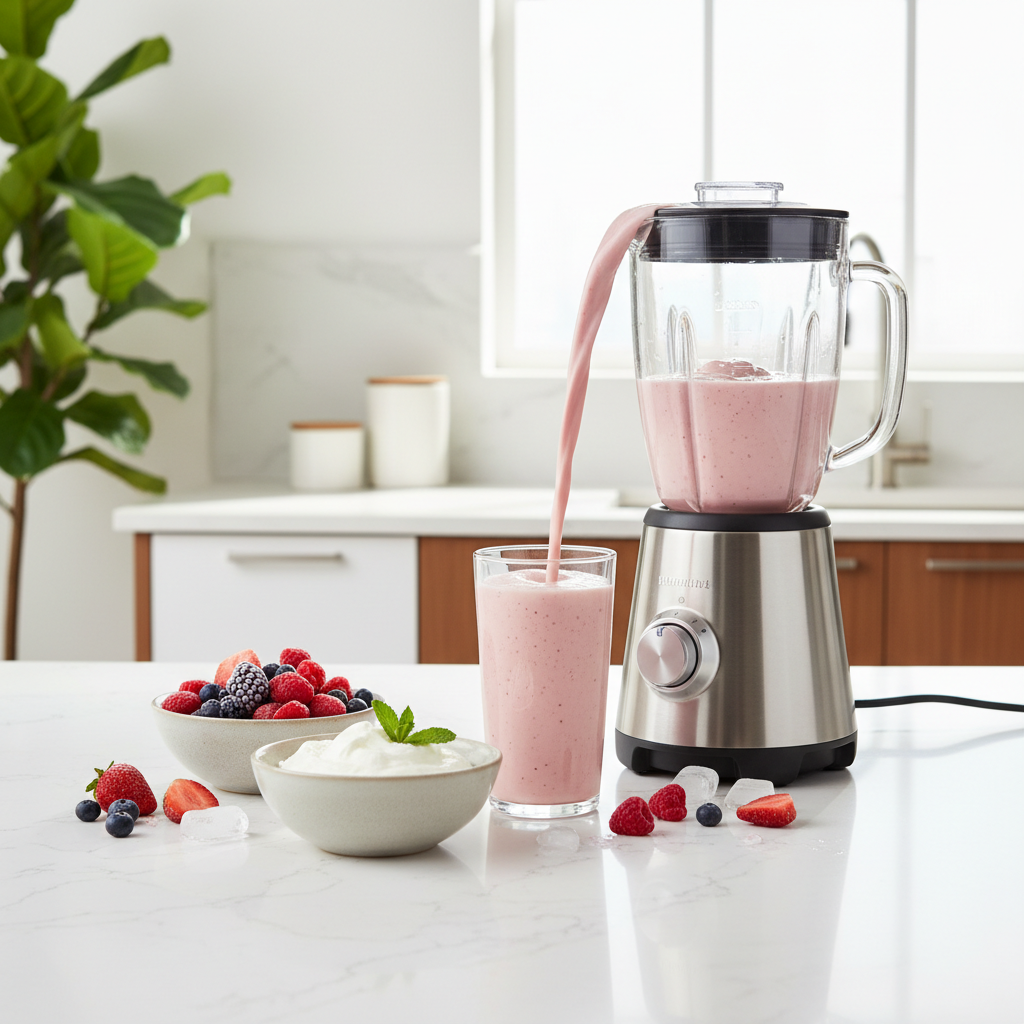
Also, if you’re using a small blender, it may need a pause-and-stir moment. That’s not failure, that’s physics.
Practical tips: prep once, drink all week (without sad separation)
Most people quit because mornings are chaotic, not because they hate smoothie recipes. A little setup makes this feel effortless.
Make freezer packs
- In a freezer bag: frozen fruit + spinach (if using) + any dry add-ons like oats.
- Keep yogurt, milk, and nut butter separate until blending.
Use “thick-first” blending
- Add less liquid than you think you need.
- Blend to a thick paste, then loosen with a splash at a time.
If you need it to travel
- Stainless tumblers keep texture longer than thin plastic cups.
- If it separates, shake hard; if it turns watery, your mix probably needed more binder.
According to the Centers for Disease Control and Prevention (CDC), food safety basics like keeping perishables cold matter, so if your smoothie contains dairy or other perishable ingredients and sits out for hours, consider an insulated bottle and ice pack.
Common mistakes (and what to do instead)
- “I’ll add more spinach to be healthier”: more greens can be fine, but balance flavor with pineapple, mango, or a little fat.
- Relying on sweeteners: a better move is ripe banana, dates, or simply better fruit, sweetness won’t fix thin texture.
- Overloading powders: too much protein powder can taste bitter or chalky; start with half a scoop.
- All ice, no frozen fruit: ice makes it colder, not creamier, use frozen banana or mango as the “engine.”
Key takeaway: if your smoothie feels like a cold drink, you’re building it like a drink. Build it like a bowl, then decide how pourable you want it.
When to get more personalized nutrition advice
If you have diabetes, chronic kidney disease, GI conditions, or you’re trying to lose weight but feel hungry right after breakfast, it may help to talk with a registered dietitian. Smoothies can be supportive, but ingredients, portion sizes, and timing vary a lot by person.
And if you notice symptoms after certain ingredients, like hives, swelling, or breathing issues, treat that as urgent medical territory rather than a “swap and see” experiment.
Conclusion: a creamy smoothie is mostly a repeatable system
Once you understand the thick base + binder + liquid control combo, creamy breakfasts stop being a coin flip. Pick one of the recipes above for tomorrow, then use the formula to rotate flavors all week without starting from scratch.
If you want one simple action: build a couple freezer packs tonight, and keep Greek yogurt or a dairy-free thick alternative ready in the fridge, morning-you will thank you.