
One pot meals are the quickest way I know to get dinner on the table without turning your kitchen into a sink full of regret. You cook in a single pot, skillet, or sheet pan, keep flavors concentrated, and limit the tools you need to wash.
The catch is that “one pot” can still go sideways, stuck rice, scorched bits, watery sauce, or a pot that takes longer to scrub than the meal took to cook. That’s usually not the recipe’s fault, it’s the method.
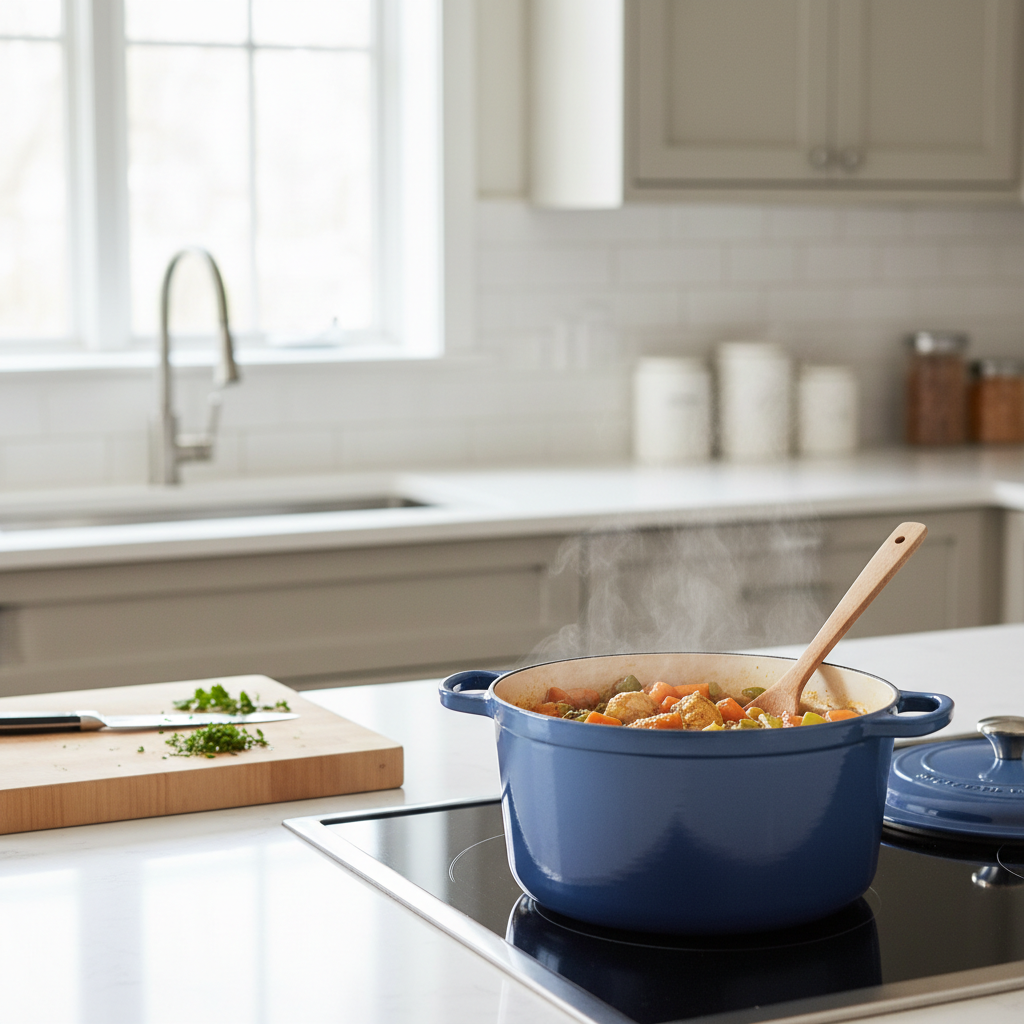
This guide focuses on what actually makes one pot meals fast and low-mess, how to pick the right recipes for weeknights, and the small habits that keep cleanup painless. You’ll also get a quick decision checklist, a practical table, and a few realistic “if this, do that” fixes.
Why one pot meals feel so much easier (when you do them right)
Speed and cleanup come from a few repeatable mechanics, not magic. Once you see them, you can spot good one-pot recipes instantly.
- Heat stays where it matters: fewer pans means fewer heat cycles and less time juggling burners.
- Flavor builds in layers: browning aromatics and proteins in the same vessel leaves fond (those browned bits) that becomes sauce.
- Less “tool sprawl”: one board, one knife, one stirring utensil, and you’re mostly set.
- Built-in timing: many one-pot formats rely on a single simmer or bake window, which is easier to manage after work.
According to USDA Food Safety and Inspection Service (FSIS), keeping food out of the “danger zone” and using a food thermometer for doneness matters for safety, especially with poultry. One pot meals can make that simpler because everything finishes together, but you still need to confirm temperatures for meat when you’re unsure.
A quick self-check: what kind of weeknight cook are you?
Before you chase “fast,” decide what “fast” means in your house. Ten minutes of prep can feel like an hour if you’re tired.
- I want the fewest dishes: prioritize sheet-pan dinners, baked pastas, and skillet meals with a built-in sauce.
- I want the least active time: soups, chilis, braises, and rice-based pots where the stove does the work.
- I want the shortest total time: thin proteins (shrimp, ground meat), quick-cooking grains (couscous), and high-heat roasting.
- I cook for picky eaters: “component-style” one pot meals, where toppings or add-ins are optional at the end.
If you often end up with burnt rice or sticky pasta, your issue is usually heat management or liquid ratio, not effort. Fix those two and your one-pot rotation gets dramatically easier.
Choose the right vessel (it affects cook time and cleanup)
Not every “one pot” should be cooked in the same pot. The wrong pan can cause sticking, uneven cooking, or sauces that never reduce.
| Meal type | Best vessel | Why it helps | Cleanup tip |
|---|---|---|---|
| Skillet pastas, creamy chicken | 12-inch deep skillet (nonstick or enameled) | Wide surface reduces faster, easier stirring | Deglaze warm pan with a splash of water |
| Soups, chili, curry | Dutch oven or heavy stockpot | Even heat, less scorching during simmer | Soak with hot water while you eat |
| Rice or orzo “one pot” dinners | Saucepan with tight lid | Stable simmer and reliable absorption | Let it rest off heat before serving |
| Sheet-pan sausage & veggies | Rimmed baking sheet | High heat, minimal stirring | Use parchment or foil (then recycle/throw) |
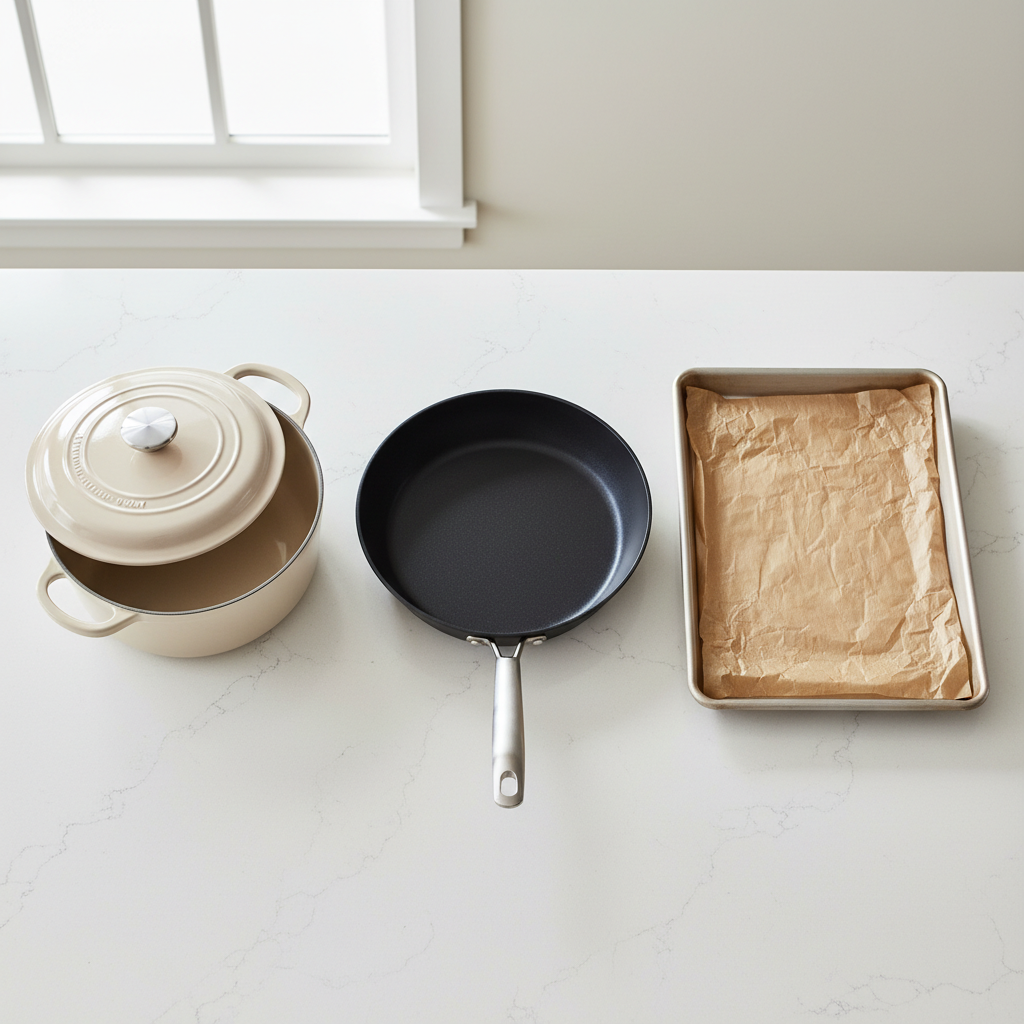
Key point: if your goal is fast cleanup, don’t fight sticky starch in uncoated stainless steel on a rushed night. Save that for weekends when you actually want to babysit the pot.
The “fast + low-mess” formula: a practical method you can reuse
Most weeknight one pot meals follow the same rhythm. When you memorize the rhythm, you stop needing complicated recipes.
Step 1: Start with flavor you can’t fake later
- Brown ground meat or sausage, then spoon off excess fat if needed.
- Cook onions, garlic, and spices in the same pot until fragrant.
- Use a small splash of broth to scrape up browned bits, that’s free flavor and reduces sticking.
Step 2: Add the “structure” ingredient
This is your starch or base: pasta, rice, potatoes, beans, or a hearty veg mix. The trick is keeping size consistent so everything finishes together.
Step 3: Control liquid like you mean it
- For rice-style one-pot dinners, keep a steady low simmer, high heat is how pots burn.
- For skillet pasta, stir often early, then less once the sauce thickens.
- If it looks soupy at minute 10, don’t panic, reduction usually happens near the end.
Step 4: Finish with “fresh” to make it taste planned
Lemon, herbs, grated cheese, yogurt, scallions, or a drizzle of olive oil at the end makes even a simple pot taste like a real dinner, not just “whatever was in the fridge.”
Real-world fixes for common one-pot problems
This is where people get frustrated. One small adjustment usually saves the meal.
- Rice is crunchy but the pot is dry: add 2–4 tbsp hot broth, cover, and steam on low 5–8 minutes.
- Bottom scorched: move food to a new container, do not scrape burnt bits into the meal, then add a bit of acid (lemon, vinegar) to brighten flavor.
- Sauce is thin: simmer uncovered a few minutes, or stir in a small slurry (cornstarch + cold water) if the recipe style fits.
- Pasta is gummy: too little liquid or too much stirring late; next time, keep it at a gentle simmer and stop when just shy of done.
- Vegetables turned mushy: add quick-cooking veg near the end, or roast them on a sheet pan if texture matters to you.
According to FDA, safe minimum internal temperatures vary by protein, so if you’re cooking chicken thighs in a one-pot rice dish, a quick thermometer check is a smarter habit than guessing. If you have health-related dietary needs, it may be worth asking a registered dietitian for guidance.
Make cleanup genuinely fast (not “fast-ish”)
Fast cleanup is mostly timing. Waiting “until later” is how starch turns into glue.
- Deglaze immediately: after serving, add hot water to the warm pot and scrape gently, it lifts residue before it sets.
- Soak while you eat: even 10 minutes makes a difference, especially for rice and cheese.
- Use liners strategically: parchment for sheet pans, but avoid layering foil under everything if you need browning.
- One bowl rule: prep scraps go in one bowl, not spread across the counter, you’ll feel the difference.
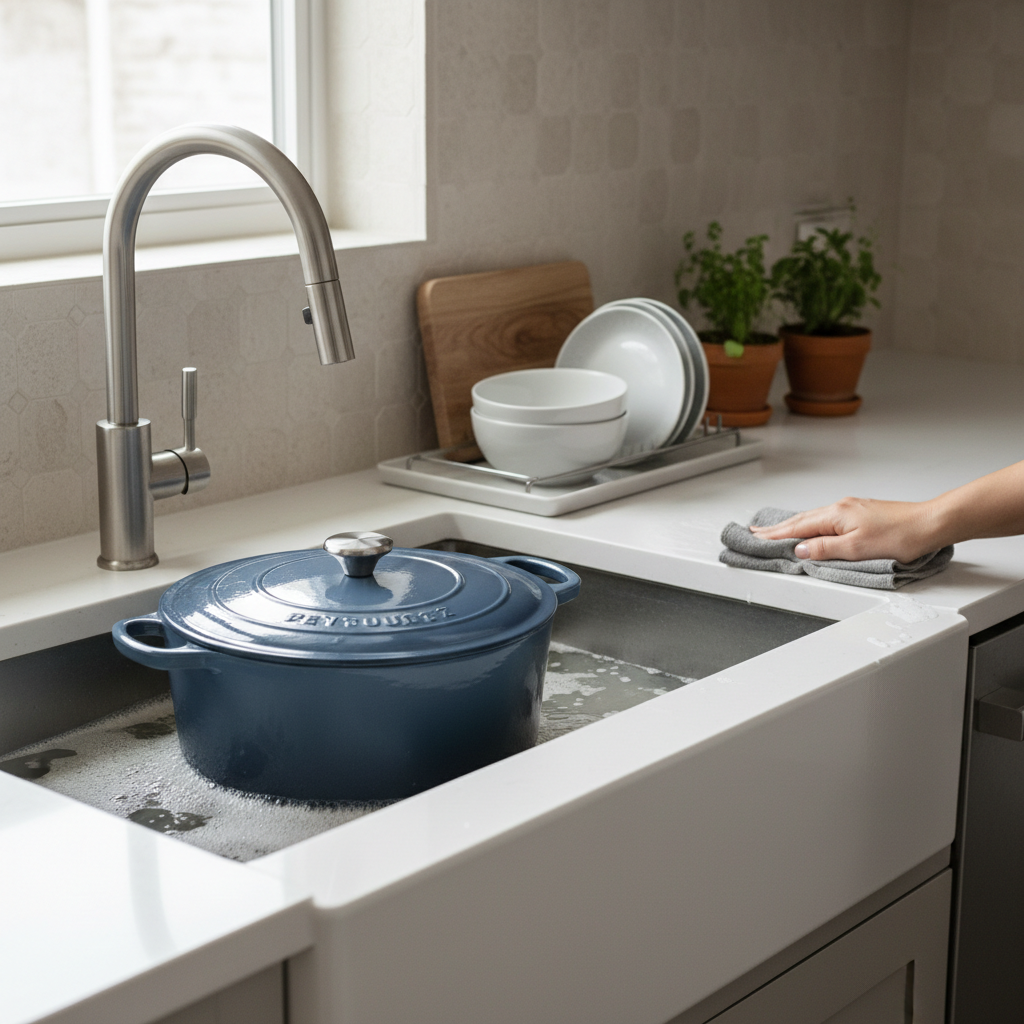
Key takeaway: the meal feels “easy” when you avoid the second shift after dinner. A two-minute reset beats a 20-minute scrub later.
Practical one-pot ideas that fit different nights
You don’t need a massive list, you need a few reliable patterns you can remix. Here are options that usually work well for busy U.S. weeknights.
- Skillet taco rice: brown ground turkey or beef, add taco seasoning, stir in rice + salsa + broth, finish with cheese and cilantro.
- Lemon-garlic chicken & orzo: sear chicken, toast orzo, add broth, finish with spinach and lemon.
- Sheet-pan sausage, peppers, and potatoes: high heat, one pan, add a mustard-yogurt sauce at the end.
- White bean tomato soup: canned beans + crushed tomatoes + herbs, finish with Parmesan and olive oil.
- Coconut chickpea curry: curry paste + coconut milk + chickpeas, add frozen peas near the end, serve over quick couscous.
If you’re building a weekly rotation, keep 2–3 “no-think” one pot meals that use pantry staples, then add one new idea when you feel like experimenting, not when you’re already stressed.
Conclusion: keep it simple, but keep it intentional
One pot meals work because they reduce decision fatigue and dish piles, but they stay enjoyable only when your method matches your weeknight reality. Pick the right pot, manage heat and liquid, then finish with something fresh so the meal tastes like you chose it on purpose.
If you want one action to take today, stock a small “one-pot pantry” (broth, canned beans, rice/orzo, a spice blend you like), and commit to the quick soak routine right after serving. That’s the difference between “easy dinner” and “easy night.”
FAQ
What are the best one pot meals for beginners?
Skillet pasta, chili, and sheet-pan sausage with vegetables are forgiving because timing is flexible and the texture still works even if you run a few minutes long.
How do I keep rice from sticking in a one-pot dinner?
Use a heavy pot with a tight lid, keep the heat low once it simmers, and let it rest off heat before fluffing. High heat is the usual reason the bottom catches.
Are one pot meals actually faster than regular cooking?
Often, yes, mostly because you’re not managing multiple pans and you clean fewer items. The cook time might be similar, but the overall effort is typically lower.
Can I make one pot meals healthier without ruining flavor?
Usually you can swap in beans, lentils, or extra vegetables, and finish with acid and herbs for flavor. If you have medical dietary needs, it’s smart to check with a clinician or dietitian.
Is it safe to cook raw chicken and rice together in one pot?
It can be safe when chicken reaches a safe internal temperature and the dish stays at a proper simmer. When in doubt, use a food thermometer and follow reputable food-safety guidance.
How do I fix a one-pot meal that tastes bland?
Add salt in small steps, then brighten with lemon or vinegar, and finish with something aromatic like fresh herbs, scallions, or grated cheese. A bland pot often needs contrast, not more cooking time.
What’s the easiest one pot meal for picky eaters?
Try a “build-your-own” pot like taco rice or a mild pasta base, then set out toppings separately. It keeps the main dish simple while letting people customize.
If you’re trying to streamline weeknights even more, it helps to keep a short list of go-to one pot meals, plus a simple shopping template that supports them, so you’re not reinventing dinner every Monday.