
Diabetic recipes work best when they feel like normal meals, not “diet food,” and when they help you keep blood sugar steadier without turning dinner into a math problem.
If you’ve ever searched for meal ideas and found either bland “healthy” plates or complicated carb-counting spreadsheets, you’re not alone, most people want a short list of go-to meals that taste good, fit real schedules, and don’t spike glucose.
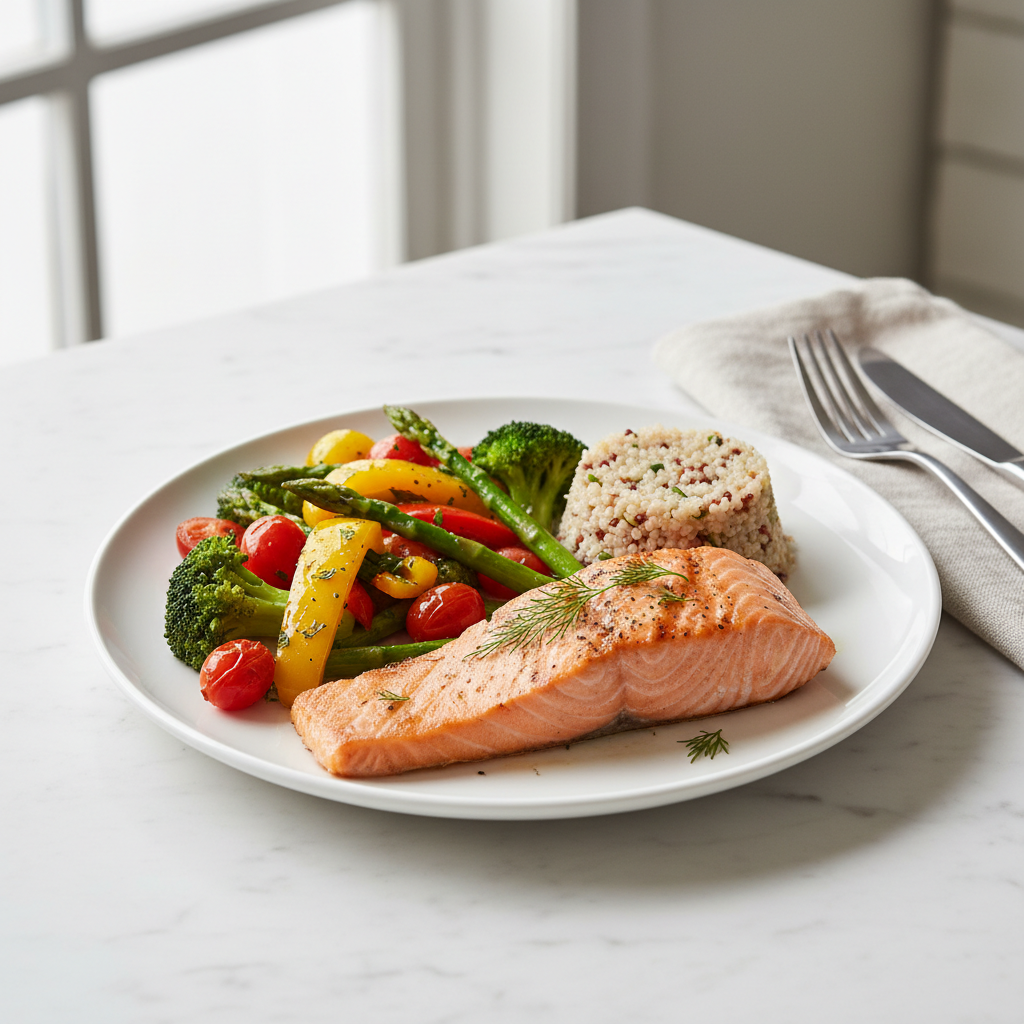
This guide focuses on meals you can actually repeat: why certain recipes tend to be safer, how to spot trouble ingredients, and a few flexible templates you can mix and match. You’ll also get a quick self-check, a planning table, and practical cooking moves that usually make the biggest difference.
What “safe” usually means for diabetic meals (and what it doesn’t)
When people say a recipe is “safe” for diabetes, they usually mean it’s less likely to cause a sharp glucose rise, not that it guarantees a specific number on your meter. Bodies respond differently, medication timing matters, and portion size can flip a “good” meal into a rough one.
According to the American Diabetes Association, balancing carbohydrate choices with fiber-rich foods, lean protein, and healthy fats can support better glucose management. In practice, that often looks like meals built around vegetables, protein, and a measured portion of higher-fiber carbs.
- Carb quality: beans, lentils, berries, oats, and whole grains often behave differently than juice, white bread, or sugary sauces.
- Fiber and protein: these tend to slow digestion and blunt spikes for many people.
- Added sugar and refined starch: the most common “hidden” problem in packaged sauces, dressings, and even restaurant marinades.
Key point: “Low-carb” is not the only path. Plenty of diabetic recipes include carbs, they just keep portions realistic and pair them well.
Why some recipes spike blood sugar even when they look healthy
Many meals fail for diabetes management for boring reasons: portions drift up, sauces add sugar, and the “healthy” carb is still a carb when it fills half the plate.
- Portion creep: a double serving of brown rice can hit like a regular serving of white rice for some people.
- Liquid carbs: smoothies, sweetened coffee drinks, and “wellness” juices often raise glucose quickly.
- Sugar in disguise: teriyaki, BBQ sauce, honey mustard, sweet chili, and many jarred pasta sauces.
- Ultra-processed “keto” treats: sugar alcohols and refined fibers affect people differently, and they can still trigger cravings or overeating.
- Restaurant cooking fats: not always “bad,” but heavy oils plus big portions can make post-meal readings unpredictable.
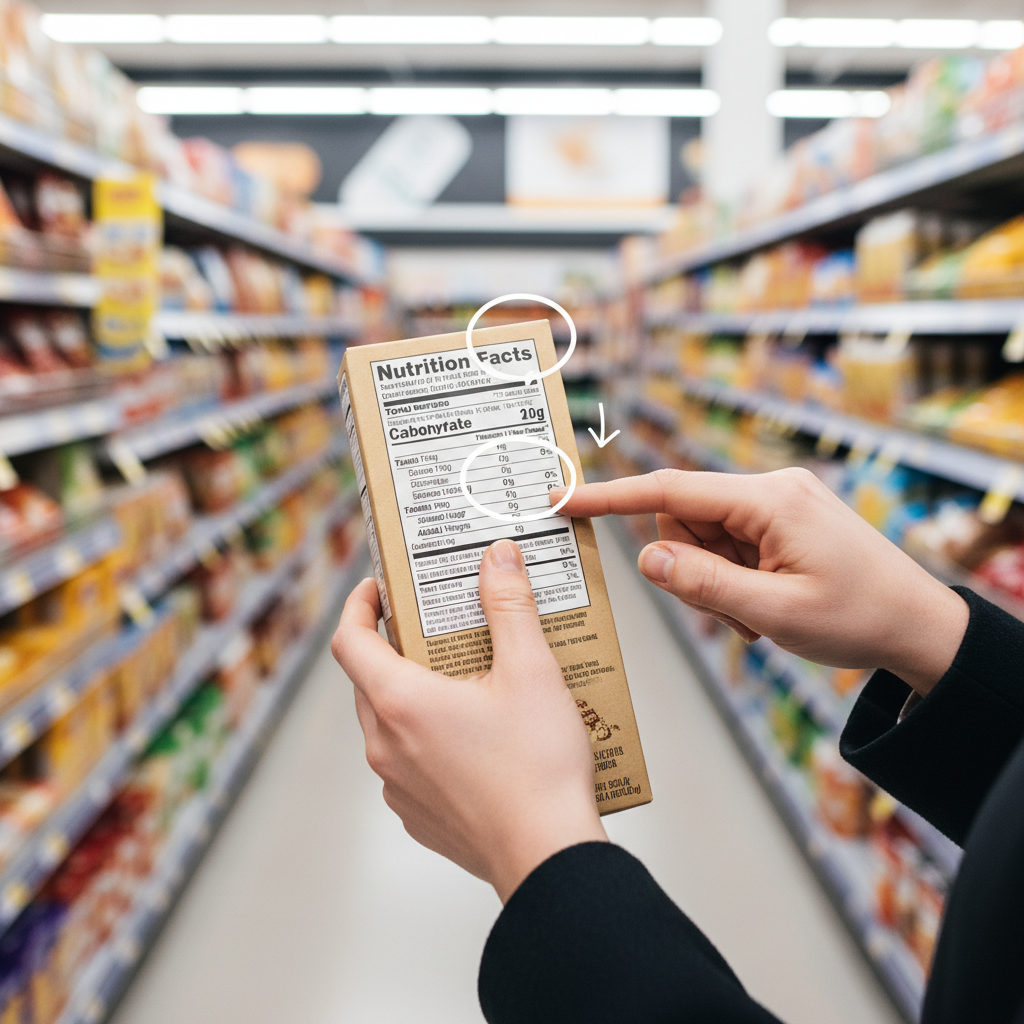
If you’re building a recipe library, it helps to judge meals by pattern: protein + non-starchy veggies + smart carb portion + flavor from herbs/acid tends to work more consistently than “anything healthy.”
Quick self-check: which meal style fits you right now?
Before collecting recipes, get clear on what you need. People waste weeks chasing “perfect” meals when the real issue is timing, hunger, or medication mismatch. This checklist helps you sort your next step.
- If your after-meal numbers are high: you may do better with smaller carb portions, more fiber, and fewer sweet sauces.
- If you go low between meals: you may need a steadier carb amount, or to coordinate meals with meds, talk with a clinician if this happens often.
- If you’re always hungry: add volume from vegetables, and bump protein at breakfast and lunch.
- If dinner is chaotic: focus on 3 repeatable “emergency meals” instead of elaborate cooking.
- If you’re active: you might tolerate more carbs around workouts, but it still depends on your plan and readings.
Practical rule: pick recipes you can cook on a tired Tuesday, not just what looks good on a Sunday.
A simple meal-planning table you can reuse
Use this as a starting point and adjust portions based on your glucose checks and your clinician’s guidance. The goal is consistency you can live with.
| Meal type | Base template | Carb option (choose 1) | Flavor boosters (low-sugar) |
|---|---|---|---|
| Breakfast | Eggs or Greek yogurt + fruit/veg | Berries, small apple, 1 slice whole-grain toast, oats | Cinnamon, salsa, lemon, nuts, seeds |
| Lunch | Big salad + protein | Beans, quinoa, whole-grain pita, lentils | Vinegar, mustard, olive oil, herbs |
| Dinner | Protein + roasted vegetables | Brown rice, sweet potato, chickpeas, whole-grain pasta (small) | Garlic, smoked paprika, pesto (light), chimichurri |
| Snack (if needed) | Protein + fiber | Fruit or whole-grain crackers (measured) | Peanut butter, hummus, cottage cheese |
Go-to diabetic recipes for breakfast, lunch, and dinner
Below are dependable options that tend to fit many diabetes meal plans. Keep in mind, your best portion may differ, especially if you use insulin or meds that affect glucose.
Breakfast ideas (fast and repeatable)
- Veggie omelet + avocado: add spinach, mushrooms, peppers, and serve with a small side of berries.
- Greek yogurt bowl: plain unsweetened yogurt, berries, chia seeds, walnuts, and cinnamon.
- Savory oats: oats cooked with broth, topped with egg, scallions, and sautéed greens.
Shortcut: if breakfast spikes you, try shifting to more protein and fewer “breakfast carbs,” then retest your numbers to see the pattern.
Lunch ideas (desk-friendly)
- Turkey and hummus wrap: whole-grain wrap, lots of crunchy veg, skip sweet condiments.
- Salmon salad: canned salmon, celery, herbs, Greek yogurt or olive oil mayo, served over greens.
- Lentil soup + side salad: hearty, high-fiber, and usually meal-prep friendly.
Dinner ideas (family-style)
- Sheet-pan chicken fajitas: chicken thighs or breast, peppers, onions, fajita spices, serve with a measured portion of tortillas or cauliflower rice.
- Garlic shrimp + roasted broccoli: add a small portion of quinoa or beans if you need more carbs.
- Turkey chili: beans, tomatoes, peppers, spices, top with plain yogurt and chopped onions.
- Salmon + asparagus: lemon, dill, and a side of roasted sweet potato wedges.
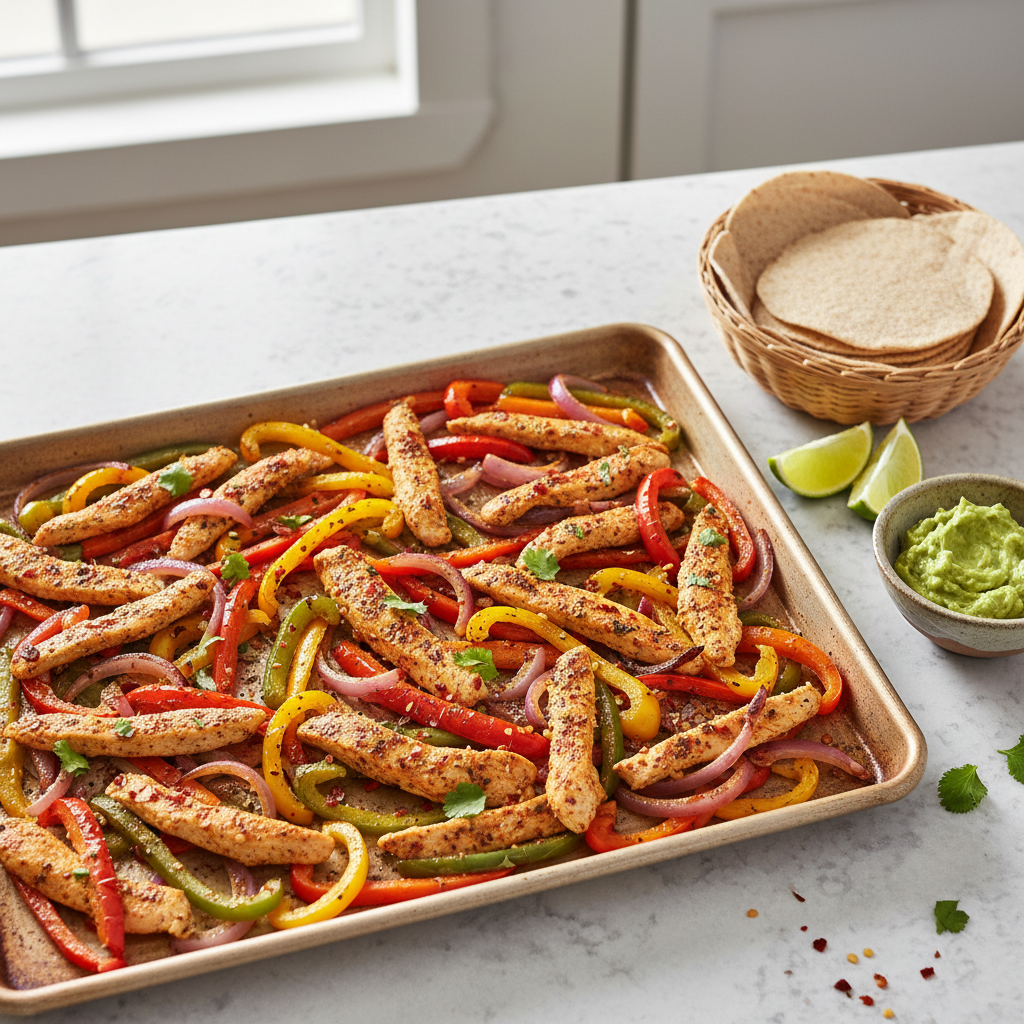
These diabetic recipes share a trait: they’re easy to portion. You can look at the plate and quickly adjust, more vegetables if you’re hungry, a smaller scoop of starch if your readings run high.
Hands-on tips: how to make almost any recipe more blood-sugar friendly
You don’t need a separate cookbook for every meal. A few swaps usually carry most of the impact, especially for weeknight dinners.
- Build the plate first: fill half with non-starchy vegetables, add a palm-size protein, then add carbs last so the portion stays intentional.
- Change the carb form: choose beans, lentils, or intact grains more often than bread, crackers, or mashed starches.
- Use acid for flavor: lemon, vinegar, pickled onions, and tomatoes can replace sugary sauces.
- Thicken with vegetables: blend roasted cauliflower into soups, or add extra veggies to pasta sauce to reduce the noodle portion.
- Keep “sweet” on the side: if you want BBQ flavor, use a small dip instead of glazing the whole meal.
Key takeaway: many people get better results from portion control + pairing than from chasing a “perfect” ingredient list.
Common mistakes (the ones that waste time)
It’s easy to overcorrect and end up frustrated. These are the patterns that tend to backfire.
- Cutting carbs too hard, too fast: some people then rebound with cravings and big portions later.
- Over-trusting “sugar-free”: it may still contain starch, sugar alcohols, or large servings of flour.
- Skipping protein at breakfast: many people feel hungrier all day and snack more.
- Ignoring beverages: sweet coffee drinks, sports drinks, and even “healthy” smoothies can dominate your day’s carbs.
- Assuming one recipe works for everyone: your glucose response is personal, your plan should be too.
When to loop in a professional
If you’re seeing frequent highs or lows, or you’re newly diagnosed and unsure where to start, it’s worth getting targeted support. According to the Centers for Disease Control and Prevention (CDC), diabetes self-management education and support can help people build practical skills around food, activity, and monitoring.
- Frequent low blood sugar episodes, especially if you use insulin or sulfonylureas
- Consistently high readings despite reasonable portions
- Unintended weight loss, poor appetite, or major changes in energy
- Kidney disease, heart disease, or other conditions that change protein, sodium, or fluid needs
A registered dietitian or certified diabetes care and education specialist can help match diabetic recipes to your medication timing, preferences, and budget, which is where generic advice often falls short.
Conclusion: keep it simple, then personalize
Most people do better when they stop searching for a single “perfect” meal and start building a small rotation of diabetic recipes they can portion easily and cook without stress. Pick two breakfasts, two lunches, and three dinners, run them for a week, and use your readings to adjust the carb portion and sauces.
If you want one action today, choose a dinner template, protein + roasted vegetables + measured carb, and make it twice this week, consistency gives you clearer feedback than constant novelty.
FAQ
What are the best diabetic recipes for beginners who don’t cook much?
Start with “assembly meals” like rotisserie chicken + bagged salad + microwavable lentils, or eggs + sautéed frozen vegetables. The win is predictable portions and fewer hidden sugars.
Can I eat pasta if I have diabetes?
Often yes, but portion and pairing matter. Many people do better with a smaller serving of pasta, extra vegetables in the sauce, and a solid protein on the plate, then check how your body responds.
Are fruit smoothies okay for blood sugar?
They can be tricky because blended fruit is easy to drink fast and portion sizes balloon. If you like smoothies, consider adding protein and fiber, and keeping fruit portions measured.
How do I know if a recipe has too many carbs for me?
Your meter or CGM trend is usually the most honest feedback. If your post-meal numbers rise sharply, try shrinking the starch portion, adding more non-starchy vegetables, or swapping to beans or lentils.
What snacks work well between meals?
Many people find snacks with protein and fiber more stable, like apple slices with peanut butter, hummus with veggies, or cottage cheese with berries. If you don’t feel hungry, you may not need a snack.
Do “keto” or “low-net-carb” products help?
Sometimes, but results vary. Some products still raise glucose for certain people, and many are calorie-dense, it’s reasonable to treat them as occasional foods and watch your own response.
What’s a realistic weekly meal prep plan for diabetes?
Cook one protein, roast two trays of vegetables, and make one high-fiber carb like lentils or quinoa. Then mix and match for bowls, salads, and quick dinners, it saves effort without repeating the exact same meal.
If you’re trying to build a reliable meal routine and want a more hands-off way to organize diabetic recipes around your schedule, preferences, and common grocery items, consider using a meal-planning template or working with a dietitian to personalize portions and swaps without starting from scratch every week.