
cinnamon rolls easy usually sounds like “store-bought,” but you can get warm, tender rolls at home without yeast, without proofing, and without babysitting dough for hours. This no-yeast version leans on baking powder for lift, so it’s more weeknight-friendly and still scratches that cinnamon-sugar itch.
If you’ve ever wanted cinnamon rolls but stopped at “I don’t have yeast” or “I don’t have time,” this is the workaround. The texture is a little different from classic yeasted rolls, more like a soft biscuit-meets-sweet-roll, but in a good way, especially when they’re fresh.
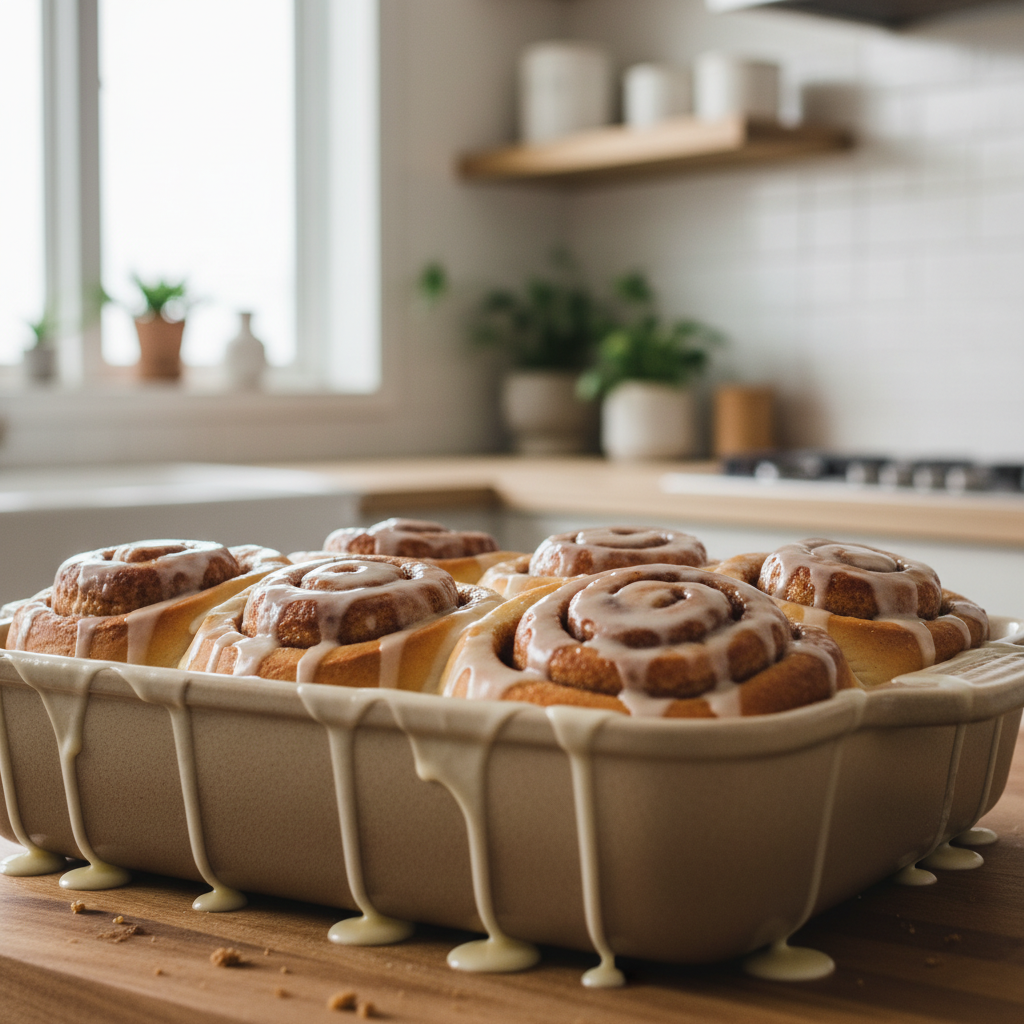
Below you’ll get the why, the dough that works, a quick troubleshooting checklist, and a couple of swaps for dairy-free or make-ahead. If you want something practical, not precious, you’re in the right place.
What “No Yeast” Changes (And Why It Still Works)
No-yeast cinnamon rolls rise with baking powder (chemical leavener) instead of fermentation. That means no waiting for dough to double, no temperature anxiety, and fewer variables if you’re not a frequent baker.
- Speed: mix, roll, bake, done. You can be eating in about 45–60 minutes in many kitchens.
- Texture: typically more tender-crumb and slightly cakier than classic yeasted rolls, especially on day one.
- Flavor: you don’t get yeast’s fermented depth, so the filling and glaze matter more.
According to USDA Food Safety and Inspection Service, perishable foods (including dairy-based frostings) shouldn’t sit at room temperature for more than about two hours, so plan storage with that in mind if you glaze generously.
Ingredients You’ll Want Ready
This is a pantry-friendly recipe, but a few small choices make a noticeable difference. If you’re aiming for cinnamon rolls easy and reliable, don’t skip the “boring” stuff like measuring accurately.
Dough (no yeast)
- All-purpose flour
- Baking powder
- Granulated sugar
- Salt
- Butter (melted or very soft)
- Milk or buttermilk (buttermilk gives a softer bite)
- 1 egg (helps richness and structure, optional in some variations)
Filling
- Soft butter
- Brown sugar
- Ground cinnamon
- Optional: pinch of salt, a little vanilla, or chopped pecans
Glaze
- Powdered sugar
- Milk or cream
- Vanilla extract
- Optional: cream cheese for a thicker frosting
Step-by-Step: Easy No-Yeast Cinnamon Rolls
This method stays simple on purpose. Overworking the dough is the fastest way to turn “soft” into “kind of tough,” so keep your hands light.
1) Heat the oven and prep the pan
Set oven to 400°F. Grease a 9-inch round pan or an 8x8-inch baking dish. If you like softer sides, place rolls snug; if you like crisper edges, give them a little space.
2) Mix the dry ingredients
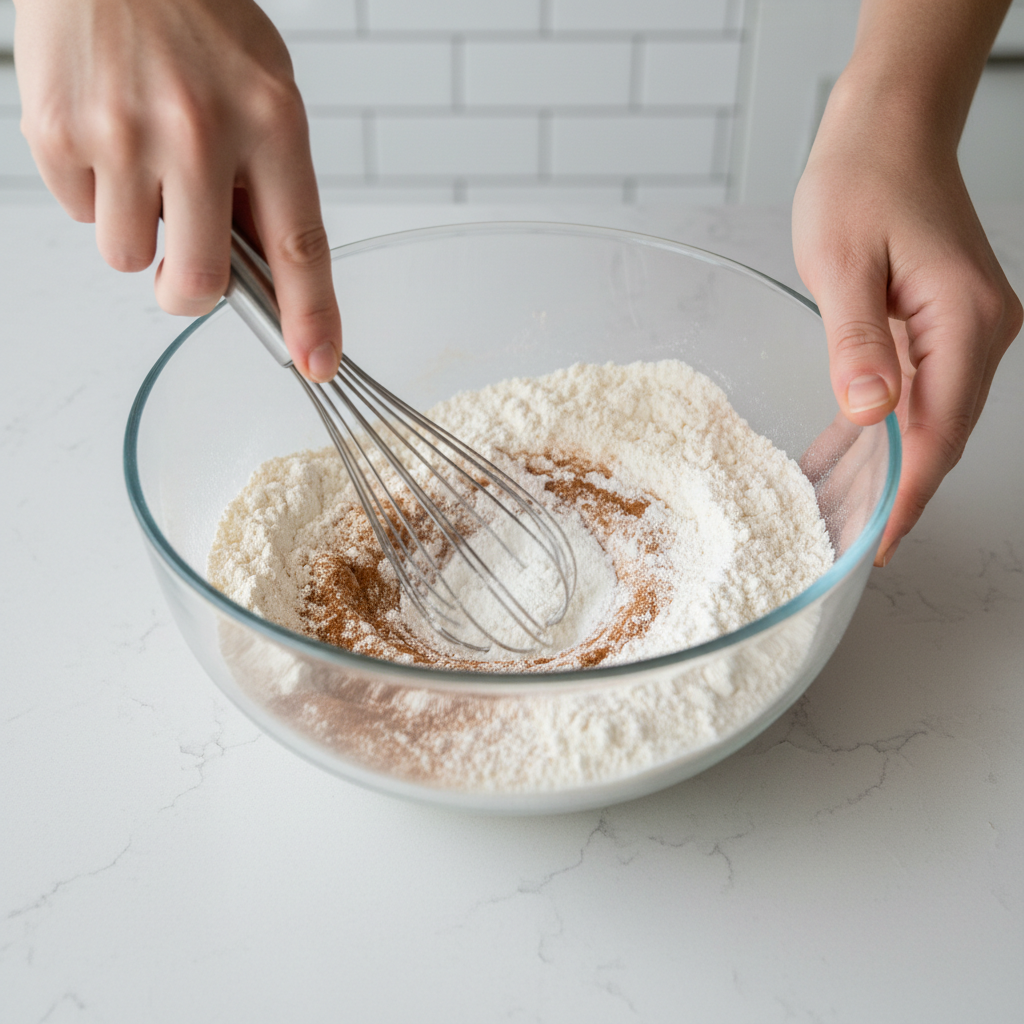
Whisk flour, baking powder, sugar, and salt until evenly combined. Uneven baking powder distribution can cause weird rising, so take 15 seconds to do it right.
3) Add wet ingredients, form a soft dough
Add melted butter, milk (or buttermilk), and egg if using. Stir just until a dough forms. If it looks shaggy, that’s fine; if it looks wet, add flour 1 tablespoon at a time.
4) Roll out and add filling
Lightly flour your counter, roll dough into a rectangle, roughly 12x16 inches, give or take. Spread soft butter, then sprinkle cinnamon and brown sugar evenly. Press the filling lightly so it sticks.
5) Roll, slice, bake
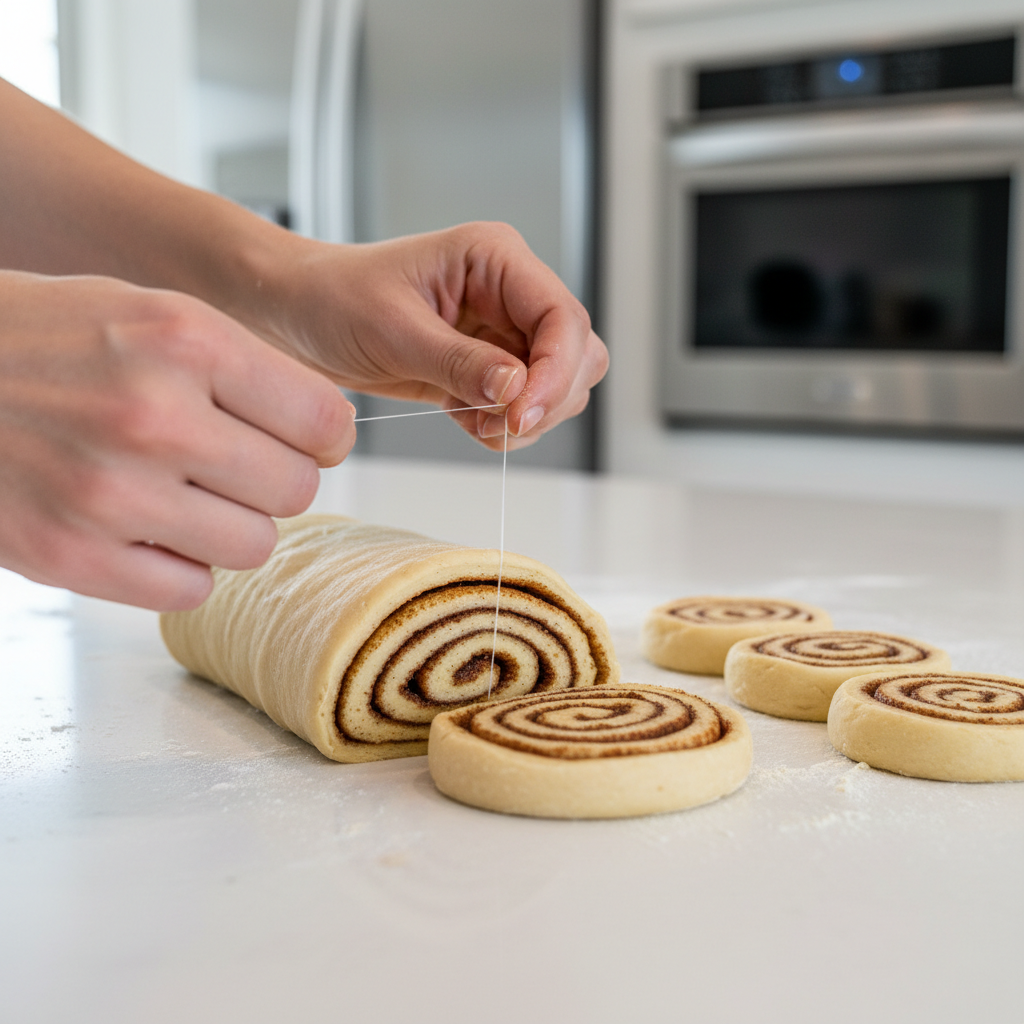
Roll into a log from the long side. Slice into 8–10 pieces with a sharp knife or unflavored dental floss. Bake 18–24 minutes until puffed and lightly golden.
6) Glaze while warm
Whisk powdered sugar, vanilla, and milk until pourable. Drizzle over warm rolls so it sinks into the spirals. If you prefer a thicker top layer, let rolls cool 10–15 minutes first.
Quick Troubleshooting: Why Your Rolls Turn Out Dry, Flat, or Leaky
No-yeast rolls are forgiving, but a few common moves cause most disappointments.
- Dry rolls: too much flour, overmixing, or baking too long. Measure flour by spooning into the cup and leveling, not packing.
- Flat rolls: baking powder old or unevenly mixed. If it’s been sitting open for months, it may not lift well.
- Filling leaks out: butter too melted or sugar piled at the edge. Leave a small border and use soft butter, not liquid.
- Spirals unravel: dough rolled too thin or log not tightened. Roll firmly but don’t crush it.
Key point: for cinnamon rolls easy, you’re aiming for a dough that feels soft and pliable, not stiff. A slightly sticky dough usually bakes more tender than a heavily floured one.
Make It Yours: Flavor Options and Dietary Swaps
Once you have the base method, it’s easy to adjust without turning this into a fussy project.
Flavor upgrades that don’t complicate the process
- Add orange zest to the sugar filling for a brighter aroma.
- Stir a pinch of espresso powder into the cinnamon for a deeper note.
- Swap half the vanilla glaze for a maple glaze (maple extract or a little maple syrup).
Dairy-free ideas
- Use plant milk plus 1 teaspoon vinegar to mimic buttermilk acidity.
- Use vegan butter in dough and filling; choose a stick-style if possible for better texture.
Make-ahead (realistic version)
- Best: mix filling and glaze ahead, store covered, then assemble fresh.
- Okay: shape rolls, cover tightly, refrigerate overnight, bake next morning. Expect a slightly less tender rise than same-day baking.
Timing & Results: What to Expect (Compared to Yeasted Rolls)
If you’re choosing between classic and no-yeast, this quick table keeps expectations honest.
| Feature | No-Yeast Rolls | Yeasted Rolls |
|---|---|---|
| Total time | About 45–60 min | Often 2–4 hours |
| Texture | Tender, biscuit-like | Fluffy, stretchy, bread-like |
| Flavor | Butter-cinnamon forward | More complex from fermentation |
| Difficulty | Lower, fewer variables | Medium, timing matters |
Practical Tips for Soft, “Bakery-Style” Results
This is the part people usually skip, then wonder why the pan looks great but the bite feels off.
- Use buttermilk if you can: the acidity can soften the crumb and balance sweetness.
- Don’t chase a perfectly dry dough: a slightly tacky feel often bakes up softer.
- Slice cleanly: floss gives neat spirals without squashing.
- Watch the bake: pull when tops look set and pale golden, not deep brown.
- Glaze smart: warm glaze soaks in, cooler glaze sits on top, pick what you want.
If your goal is cinnamon rolls easy for a crowd, bake in a snug pan, glaze immediately, and serve within an hour. These shine when they’re fresh.
Conclusion: The Fast Path to Warm Cinnamon Rolls
cinnamon rolls easy is realistic when you stop waiting for yeast and lean on a baking-powder dough that behaves. Keep the dough soft, don’t overmix, and let the filling do the heavy lifting on flavor.
If you want one next step, pick your pan size, decide whether you like soak-in glaze or a thick top frosting, then run the recipe once as written before you start swapping ingredients.
FAQ
Can I make no-yeast cinnamon rolls with self-rising flour?
Usually yes, because self-rising flour already includes leavening and salt, but results vary by brand. If you use it, skip the baking powder and reduce added salt, then adjust liquid slowly because the dough can turn sticky fast.
Why did my no-yeast cinnamon rolls turn out tough?
The most common reason is too much flour or too much mixing. Next time, stop stirring as soon as the dough comes together, and add flour in tiny amounts only if it’s truly unmanageable.
Do I need to proof anything if there’s no yeast?
No proofing step needed. Once the dough is mixed, you can roll, fill, slice, and bake right away, which is why this approach works well for last-minute baking.
Can I bake these in a muffin tin?
You can, especially for crispier edges and portion control. The bake time may run a little shorter, so start checking a few minutes early to avoid drying them out.
How do I store leftover rolls safely?
If they’re glazed with dairy, don’t leave them out too long. According to USDA Food Safety and Inspection Service, perishable foods shouldn’t sit at room temperature for more than about two hours; refrigerate leftovers in a sealed container and rewarm gently.
Can I freeze no-yeast cinnamon rolls?
Yes, but freeze them unfrosted for best texture. Thaw in the fridge, warm in the oven briefly, then glaze. Freezing with glaze can turn the top a bit wet or grainy.
What’s the best glaze if I don’t want super-sweet rolls?
A thin vanilla glaze with a pinch of salt tastes balanced, or you can do a light brush of warm butter and skip the powdered sugar altogether. Many people find the filling already does most of the sweetness.
If you’re trying to keep cinnamon rolls easy for busy mornings, set up your dry mix and filling the night before, then you only have dough, rolling, and baking left when you wake up, it’s a small prep step that makes the whole thing feel effortless.