
Middle eastern recipes don’t have to mean a long ingredient list, special equipment, or a weekend project, most of the time you just need a few smart pantry staples and one good sauce you actually like.
If you’ve ever tried to cook “something Middle Eastern” and ended up with a dry chicken breast, bland rice, or spices you never use again, you’re not alone. The cuisine is broad, and online recipes often assume you already know the basics.
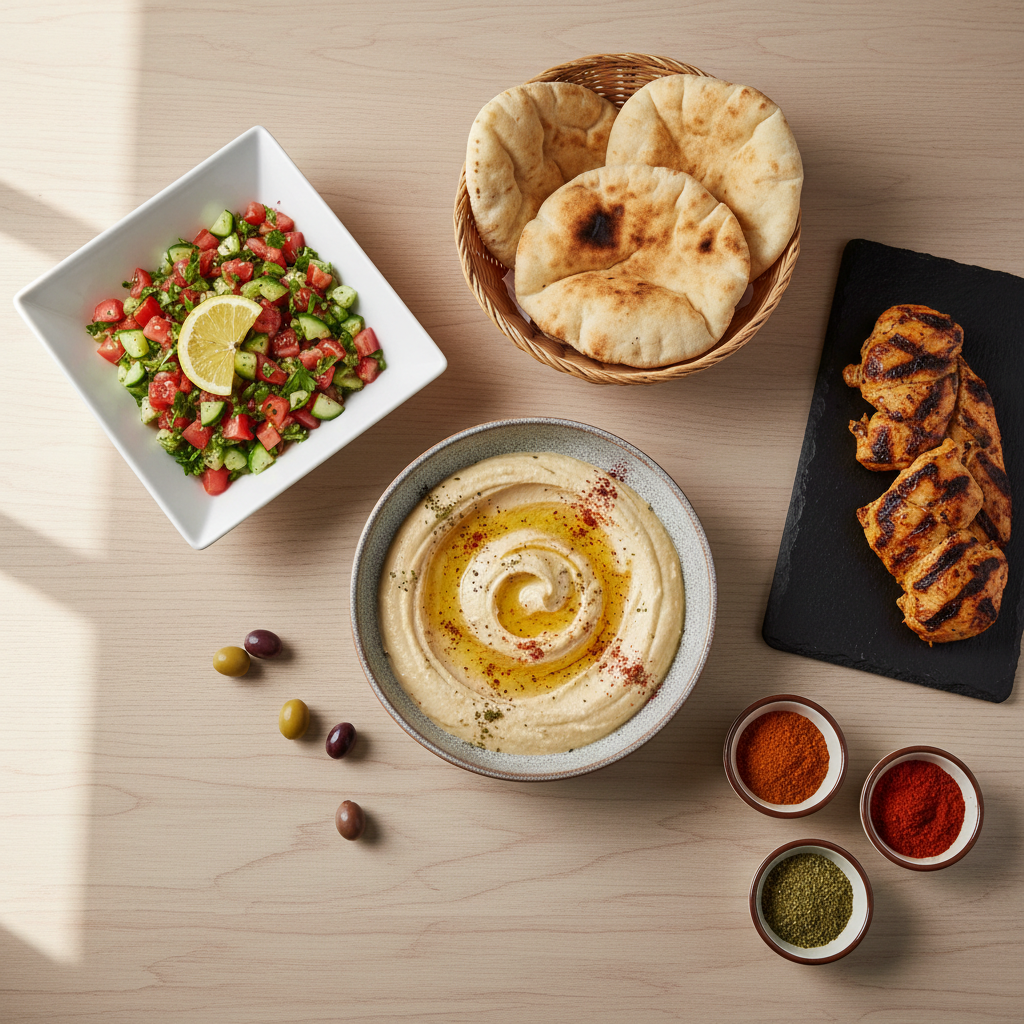
This guide keeps things practical: what to buy, what to batch-cook once, and a set of “mix-and-match” dinners you can pull off on a Tuesday. You’ll get easy ideas, realistic swaps, and a quick plan that works for U.S. grocery stores.
What “easy” really means for Middle Eastern cooking
In a home-kitchen context, “easy” usually comes down to three moves: reuse ingredients across meals, lean on fresh crunchy sides, and build flavor with a sauce or spice blend instead of complicated techniques.
- One protein, multiple formats: the same spiced chicken can become a rice bowl, a salad, or a pita wrap.
- One sauce that does heavy lifting: tahini sauce, garlic yogurt, or a quick lemon-herb dressing.
- Fast sides: chopped salad, quick-pickled onions, warmed pita, or simple rice.
Also worth saying: “Middle Eastern” covers many countries and styles, so you’ll see variations in spice blends and names. Don’t stress about perfection, focus on balance: savory, tangy, fresh, and a little richness.
The small pantry that unlocks a lot of flavor
You don’t need a specialty store for most weeknight middle eastern recipes. Start with a compact kit that shows up again and again, then add “nice-to-have” items when you feel like it.
Core staples (easy to find in U.S. supermarkets)
- Olive oil, lemons, garlic
- Ground cumin, paprika (sweet or smoked), black pepper
- Rice (basmati if you like the aroma, but long-grain works)
- Canned chickpeas and/or lentils
- Greek yogurt (for sauces and marinades)
Big upgrade items (optional but useful)
- Tahini (sesame paste, the base for many sauces)
- Sumac (lemony-tart spice, great on salad and chicken)
- Za’atar (herby spice blend, great on flatbread and roasted veggies)
- Pomegranate molasses (sweet-tart syrup, a little goes far)
According to USDA MyPlate, building meals around vegetables, protein, and whole grains can support balanced eating patterns. If you’re cooking for a medical diet, it’s smart to adjust salt, fat, or carbs with a registered dietitian’s guidance.
Quick self-check: which “easy route” fits your week?
Before you pick a recipe, be honest about the bottleneck. Most people aren’t “bad at cooking,” they’re short on time, patience, or cleanup tolerance.
- 10–15 minutes max: choose no-cook mezze plates, chickpea salads, or eggs with spices.
- One-pan comfort: do sheet-pan chicken and vegetables, serve with yogurt sauce.
- Meal prep friendly: cook a pot of rice and a tray of roasted vegetables, rotate sauces.
- Kid-/crowd-friendly: make a build-your-own pita bar with mild spices.
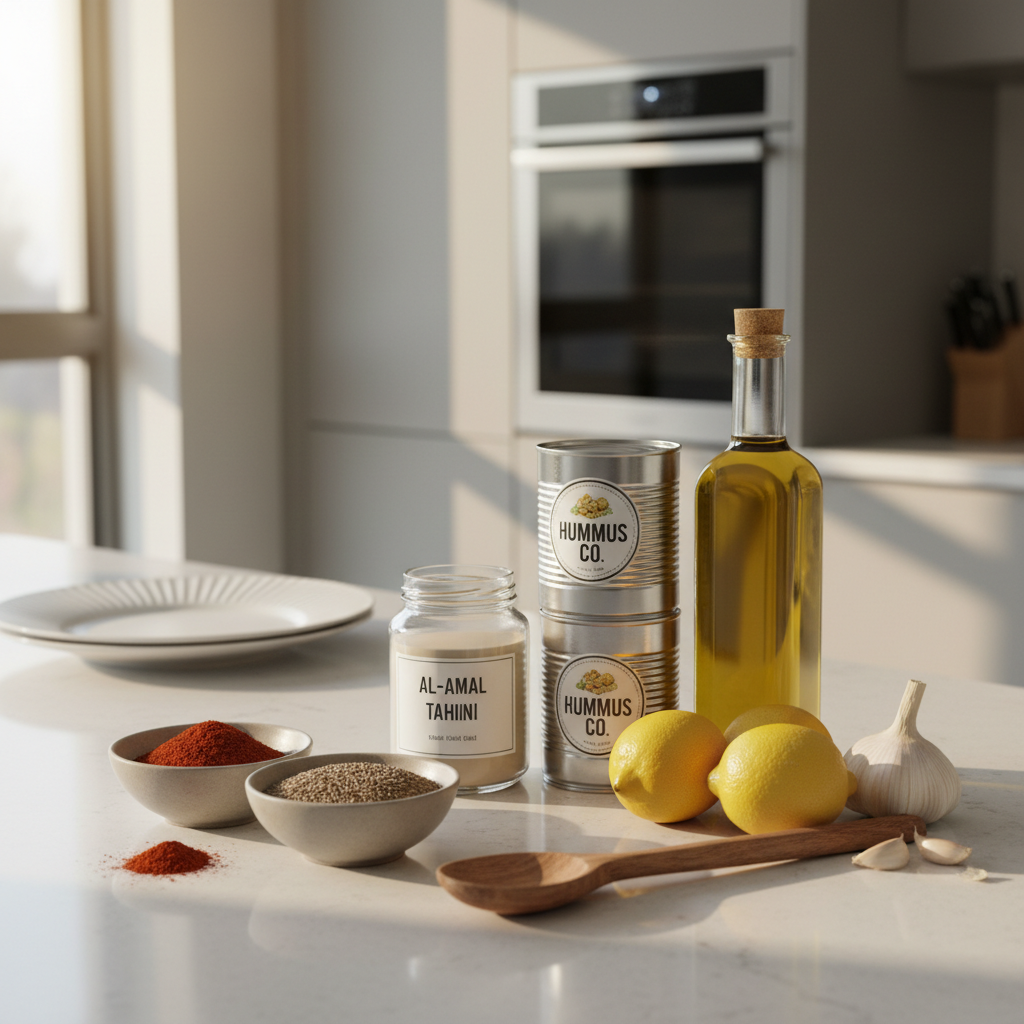
If your week is chaotic, pick two “anchors” (a sauce + a protein) and let everything else be flexible. That’s the difference between cooking often and buying ingredients that quietly expire.
6 simple Middle Eastern-style dinners (with realistic shortcuts)
These are not “authenticity tests.” They’re workable weeknight ideas that keep the flavor profile recognizable, while respecting time and U.S. grocery reality.
1) Sheet-pan shawarma-ish chicken and onions
- Mix: olive oil + cumin + paprika + garlic + lemon + salt + pepper
- Toss with chicken thighs (or breast) and sliced onions
- Roast at 425°F until cooked through, then broil briefly for color
Serve with chopped cucumber-tomato salad and yogurt sauce. Shortcut: use a store rotisserie chicken, warm it with the spice-oil in a skillet.
2) Tahini lemon chickpea salad (no stove)
- Chickpeas + chopped cucumber + tomatoes + red onion
- Dressing: tahini + lemon + water to thin + garlic + salt
This one travels well for lunch. If tahini feels intense, cut it with yogurt.
3) Kofta-style ground beef or turkey patties
- Ground meat + grated onion + garlic + cumin + parsley
- Shape into small patties, pan-sear 3–4 minutes per side
Shortcut: skip shaping and cook as crumbles for bowls, same flavor, less fuss.
4) Spiced lentil soup (weeknight version)
- Sauté onion + garlic, add cumin + tomato paste if you have it
- Add lentils + broth/water, simmer until soft
- Finish with lemon
It’s forgiving and freezer-friendly. Many home cooks like red lentils here because they cook fast and turn creamy.
5) “Mezze night” snack dinner
- Hummus (store-bought is fine), olives, sliced veggies, feta
- Warm pita or crackers, plus a simple salad
Honestly, this is one of the easiest ways to enjoy middle eastern recipes without turning it into a project.
6) Egg-and-tomato skillet with spices
- Simmer crushed tomatoes with cumin, paprika, garlic
- Crack in eggs, cover until whites set
Serve with bread. If spice is a concern, keep it mild and let adults add heat at the table.
Simple sauces that make everything taste “on purpose”
When people say Middle Eastern food tastes “restaurant-level,” the secret is usually sauce. Make one of these, and your leftovers suddenly feel planned.
- Garlic yogurt sauce: Greek yogurt + grated garlic + lemon + salt, thin with water
- Tahini sauce: tahini + lemon + salt, then whisk in cold water until creamy
- Herby lemon dressing: olive oil + lemon + chopped parsley + pinch of cumin
Tip that saves dinners: keep sauces separate until serving. Rice stays fluffy, salad stays crisp, and reheating becomes easier.
One-week “mix and match” plan (plus a table you can screenshot)
If you want structure without meal-prep obsession, cook two components on Sunday or Monday: a tray of spiced chicken (or kofta patties) and a pot of rice or lentils. Then rotate sauces and sides.
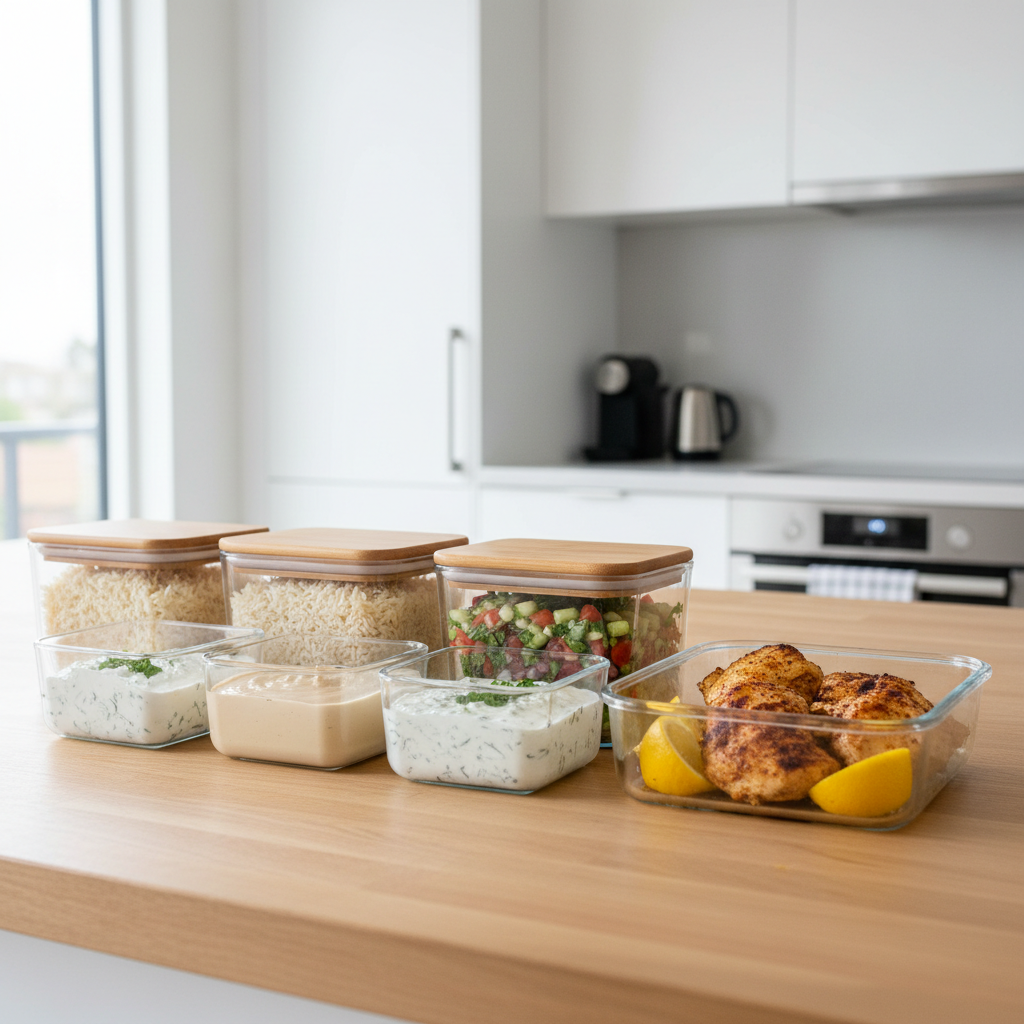
| Base | Protein | Fast add-ons | Sauce/finish |
|---|---|---|---|
| Rice | Sheet-pan spiced chicken | Cucumber, tomato, pickled onion | Tahini lemon sauce |
| Pita | Kofta patties | Lettuce, feta, sliced cucumbers | Garlic yogurt sauce |
| Salad greens | Chickpeas | Olives, herbs, toasted nuts | Herby lemon dressing |
| Soup bowl | Lentils | Warm bread, extra lemon | Olive oil + pepper |
Key takeaways: keep two sauces in rotation, lean on crunchy sides, and don’t overcomplicate spices, a small set covers most weeknight needs.
Common mistakes (and the easy fixes)
- Dry meat: thighs are more forgiving than breast, and yogurt marinades help. If you use breast, pull it earlier and rest it.
- Bitter tahini sauce: it often needs more lemon and enough water whisked in slowly. Taste, then adjust.
- Flat flavor: add acid at the end, usually lemon, and a pinch of salt. Many dishes “wake up” right there.
- Muddy salads: dress right before serving, especially with tomatoes and cucumbers.
Food safety matters more than perfect seasoning. According to USDA Food Safety and Inspection Service (FSIS), you should use a food thermometer and cook poultry to a safe internal temperature. If you’re unsure, check official guidance or ask a qualified professional.
Conclusion: keep it simple, keep it repeatable
The easiest way to make middle eastern recipes part of your regular rotation is to stop chasing one-off “special” dishes and start building a repeatable system: one protein, one grain or legume, one crunchy salad, one sauce.
If you want a quick next step, pick one sauce to learn this week and cook one flexible protein. After that, dinners feel less like a decision and more like assembly, in the best way.