
Ginger tea recipe searches usually come from the same place: you want something warm, simple, and gentle when your stomach feels “off,” whether that means bloating after dinner, mild nausea, or that heavy, slow-digesting feeling.
This isn’t a miracle drink, but ginger has a long track record in food and wellness routines, and it’s one of the few ingredients that many people can actually stick with because it tastes good and fits real life.
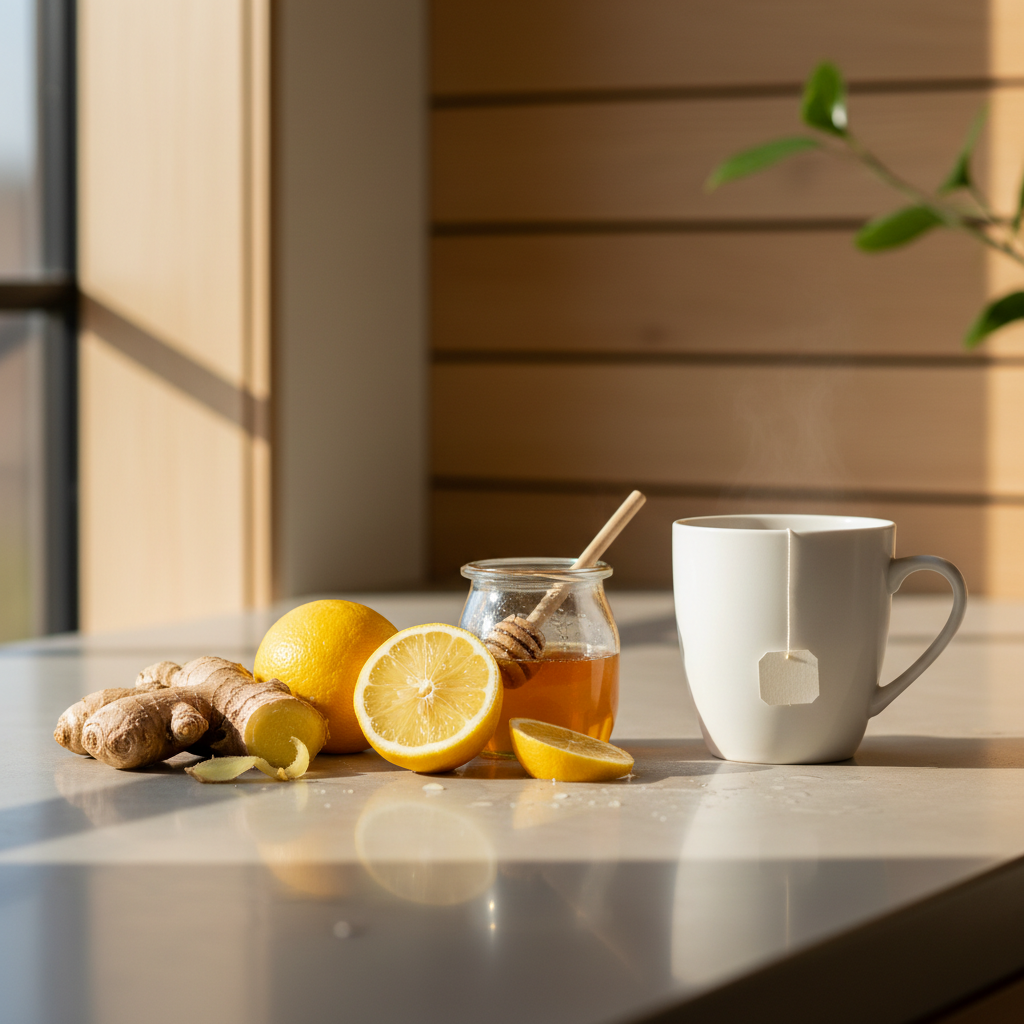
Below you’ll get an easy base method, a few targeted variations for digestion support, a quick self-check to see what might work for you, and the small safety details that matter more than most recipes admit.
Why ginger tea can feel good for digestion (and where it won’t)
People reach for ginger tea because it often helps with comfort, not because it “fixes” digestion in a clinical way. The effects can be subtle, but noticeable, especially when your issue is occasional and mild.
- It can settle the stomach: Ginger is commonly used for nausea and queasiness. According to NIH (National Center for Complementary and Integrative Health)..., ginger may help with nausea for some people, though results vary by situation and dose.
- It may ease bloating-related discomfort: Warm fluids plus ginger’s pungent compounds can feel soothing when you feel overly full.
- It supports routine habits: A nightly cup after dinner often replaces dessert, alcohol, or late snacking, and that change alone can help some digestion complaints.
Where it usually won’t help much: persistent reflux, severe abdominal pain, black stools, unexplained weight loss, or symptoms that keep returning for weeks. Those deserve a medical conversation, not another “hack.”
Easy ginger tea recipe (basic method you’ll actually repeat)
This ginger tea recipe aims for a balanced cup: enough ginger to be effective, not so much that it burns your throat or triggers heartburn.
Ingredients (1–2 servings)
- 1 to 2 inches fresh ginger root (about 10–20 g), thinly sliced or lightly crushed
- 2 cups water
- Optional: 1 tsp honey or maple syrup (skip for infants under 1 year old)
- Optional: lemon wedge
Steps
- Wash ginger, no need to peel if skin looks clean and smooth.
- Add water and ginger to a small pot, bring to a gentle boil.
- Reduce heat, simmer 8–12 minutes. Shorter for mild, longer for stronger.
- Strain into a mug, add lemon or sweetener if you want.
Key point: If ginger tea ever makes you feel more acidic, back off the strength first, not the frequency. Many people go too intense too fast.
Quick self-check: which “digestion problem” are you trying to solve?
Not all digestion discomfort feels the same, and your ginger strategy changes a bit depending on what’s happening.
- After-meal heaviness: You’re not in pain, just uncomfortably full, sluggish, maybe a little gassy.
- Occasional nausea: You feel queasy from travel, stress, or a rich meal.
- Bloating + gas: Your belly feels tight, pressure builds, you want relief more than “energy.”
- Heartburn/reflux leaning: Burning in chest/throat, sour taste, worse lying down.
If you’re mostly in the reflux camp, ginger might still work for you, but it’s also the group most likely to feel worse from a strong brew. In that case, go mild, and consider skipping lemon.
Practical variations: adjust the recipe for your situation
Once you have the base cup down, tweaks can make it more usable day to day. Keep changes small so you can tell what helps.
1) “Gentle stomach” version (for sensitive people)
- Use 1 inch ginger
- Simmer 5–7 minutes
- Skip citrus, add a little honey if desired
2) “Bloat support” version (post-meal comfort)
- Add 1–2 fennel seeds or a small pinch of cumin
- Simmer 10 minutes
- Drink warm, not scorching hot
3) “Nausea-friendly” version (simple, clean)
- Stick to ginger + water only
- Sip slowly over 10–15 minutes
- Keep it mild if you’re already feeling queasy
4) “Cold-day” version (taste-first, still useful)
- Add a cinnamon stick while simmering
- Finish with lemon if reflux isn’t an issue
Small reality check: More add-ins do not automatically mean more benefit. Usually it just means a stronger flavor profile.
Timing, portion, and a simple weekly routine
Most people get better results from consistency than from making an extra-strong cup once in a while.
- After meals: 15–30 minutes after eating often feels best for “heavy” meals.
- Between meals: If you’re prone to nausea, sipping between meals can feel easier than drinking right after food.
- At night: If reflux is a problem, avoid right before bed and keep it mild.
If you want a low-effort routine, aim for 3–5 days per week, one cup on the days you actually need it. For many people, that’s enough to notice patterns without overthinking it.
Make it faster: prep, storage, and a helpful comparison table
The main reason people quit is friction. So here are the shortcuts that keep the habit alive.
Prep options
- Freezer slices: Slice fresh ginger, freeze in a bag. Drop slices straight into hot water.
- Ginger “tea concentrate”: Simmer a larger batch (say 6–8 cups), store in the fridge, dilute with hot water as needed.
- Grated ginger ice cubes: Grate ginger, press into ice tray with a bit of water, freeze, use 1 cube per mug.
Fresh vs. tea bags vs. powder (quick table)
| Option | Pros | Cons | Best for |
|---|---|---|---|
| Fresh ginger | Strong flavor control, versatile | Prep time, varies by root | Regular use, best taste |
| Ginger tea bags | Fast, consistent, portable | Often milder, additives vary | Office, travel, convenience |
| Ginger powder | No slicing, pantry staple | Can taste dusty, harder to strain | Emergency cup, quick cooking |
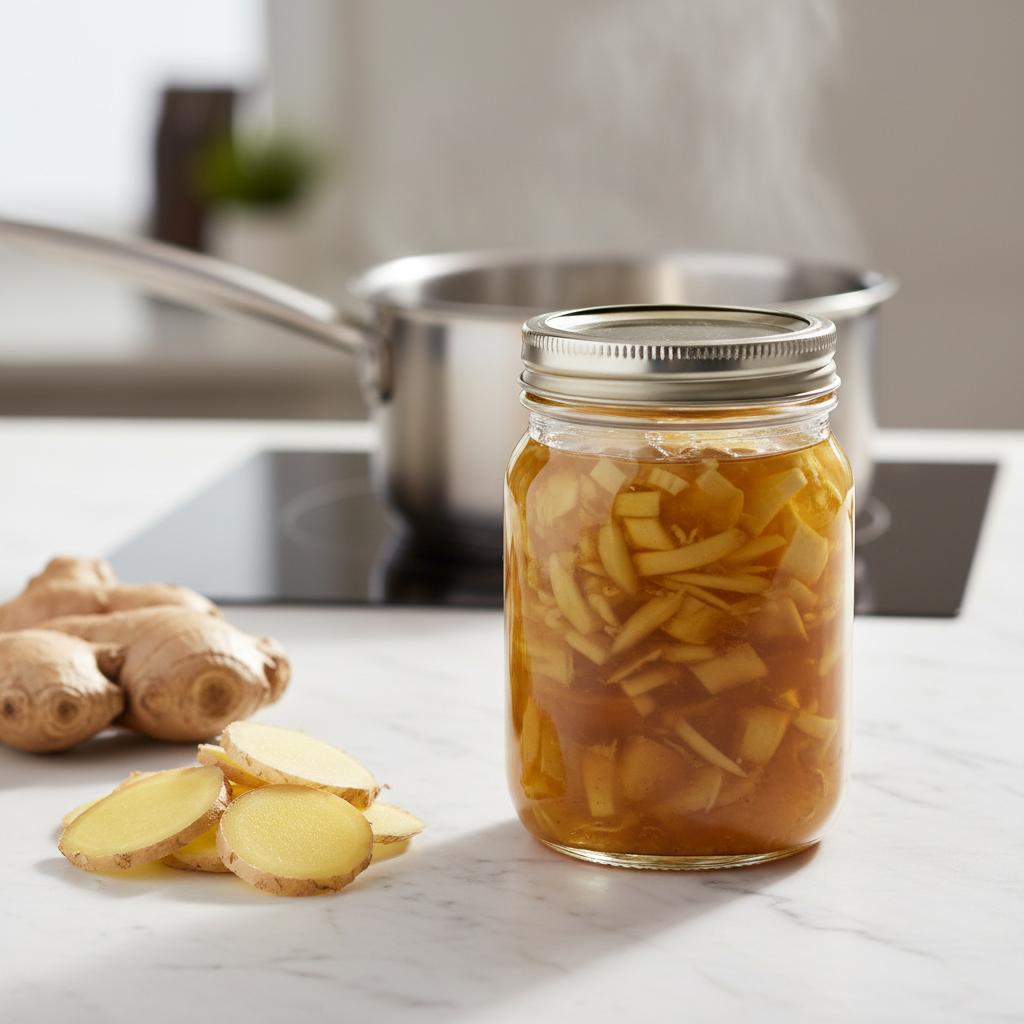
Helpful tip: If you buy tea bags, check the ingredient list. Some blends add licorice, mint, or “natural flavors,” which can be fine, but they change how your stomach reacts.
Safety notes and common mistakes (read this if you have reflux or take meds)
Ginger is a food, but concentrated ginger can still interact with real-world health situations.
- Don’t overbrew on day one: Very strong tea can irritate the throat and may aggravate heartburn in some people.
- Pregnancy and nausea: Some pregnant people use ginger, but dosing and safety should be discussed with an OB-GYN or midwife, especially if you have complications.
- Blood thinners and bleeding risk: If you take anticoagulants or antiplatelet meds, ask a clinician or pharmacist before making ginger a daily, strong habit.
- Gallbladder issues: If you have gallstones or gallbladder disease, check with a professional before regular use.
- Kids: For children, keep it mild, and avoid honey under age 1.
According to FDA..., dietary supplements and concentrated botanicals can vary in strength and quality; if you move beyond food amounts into supplements, caution makes sense.
When to get professional help (don’t “tea” your way past red flags)
If symptoms feel unusual or persistent, it’s smarter to stop guessing. Ginger can be part of comfort care, but it shouldn’t delay evaluation.
- Severe or worsening abdominal pain
- Blood in vomit or stool, black tarry stools
- Unexplained weight loss, persistent vomiting, dehydration
- Heartburn that keeps returning despite basic changes
- Symptoms lasting more than 2–3 weeks, especially if they disrupt sleep
If you’re unsure, a primary care clinician or gastroenterologist can help you narrow causes and avoid unnecessary restrictions.
Key takeaways (save this for later)
- Start mild, then adjust strength and simmer time based on how you feel.
- Match the variation to the symptom: bloat, nausea, or sensitivity all respond differently.
- Consistency beats intensity: one comfortable cup a few times a week often tells you more than a “ginger bomb.”
- Watch reflux and medications, and get help for red-flag symptoms.
Conclusion: a simple cup, a smarter approach
A good ginger tea recipe for digestion is really about getting the dose and timing right for your body, then keeping it easy enough that you’ll repeat it. If you try one change this week, make it this: brew a mild cup after your heaviest meal, note how you feel an hour later, then adjust from there.
If you want, set up a “two-minute version” by freezing sliced ginger so you’re never negotiating with a cutting board when your stomach feels weird.
FAQ
How much ginger should I use in a ginger tea recipe for digestion?
Many people do well with 1–2 inches of fresh ginger per 2 cups of water. If you’re sensitive or prone to heartburn, start at the low end and shorten the simmer.
Can ginger tea help with bloating after a big meal?
It might, especially for occasional bloating tied to heavy or fast eating. Warm fluid plus ginger can feel calming, but if bloating is frequent and intense, it’s worth checking food triggers and talking with a professional.
Is it better to grate or slice ginger for tea?
Slicing is cleaner and easier to strain. Grating extracts more quickly and can make a stronger cup, but it also makes the tea cloudier and sometimes harsher.
Should I drink ginger tea before or after eating?
For “too full” discomfort, after meals often feels best. For nausea, sipping between meals can feel gentler. If you notice reflux, avoid drinking it right before lying down.
Can I use ground ginger instead of fresh ginger?
You can, and it’s convenient. Start small, since powder disperses differently, and expect more sediment. Many people prefer fresh for flavor control.
Does lemon make ginger tea better for digestion?
Sometimes it improves taste and makes the cup feel lighter, but lemon can bother reflux-prone stomachs. If heartburn is part of your picture, try ginger alone first.
How often can I drink ginger tea?
For most healthy adults, an occasional cup is usually fine, but daily strong tea may not be ideal for everyone. If you take medications, are pregnant, or have ongoing GI issues, check with a clinician for personalized guidance.
If you’re trying to build a calmer digestion routine without turning your kitchen into a supplement lab, keep this ginger tea recipe simple, track what your stomach actually likes, and adjust one variable at a time so you don’t get lost in “wellness noise.”