
Simple soup recipes are usually the fastest way for beginners to get a real homemade meal on the table without juggling complicated timing. If you can chop a few vegetables and keep a gentle simmer, you’re already most of the way there.
What trips people up is not the cooking, it’s the little decisions: which pot, how much liquid, when to salt, and why a soup tastes “flat.” This guide keeps those decisions simple, gives you a few reliable recipes, and shows you how to adjust flavor without panic.
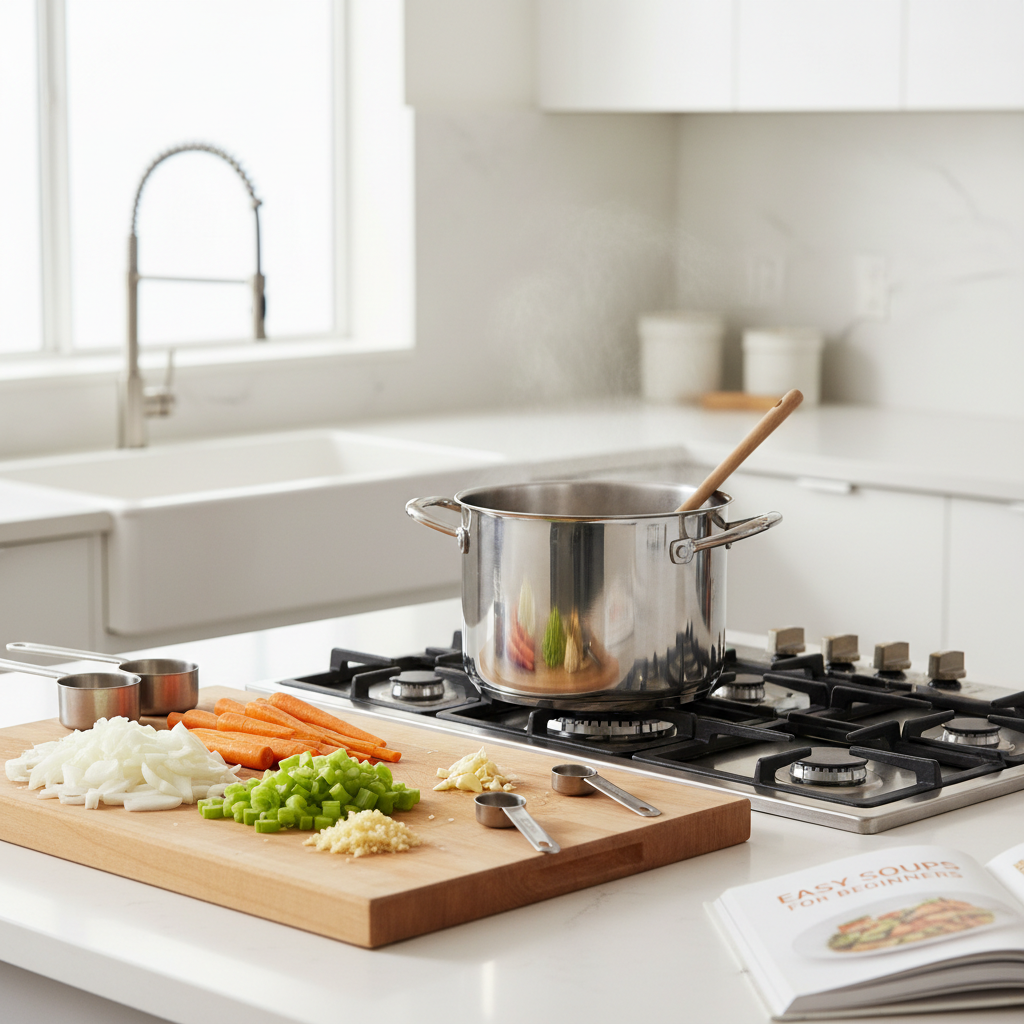
One more thing worth saying upfront: soup is forgiving, but it rewards a couple of habits, tasting as you go, and building flavor in layers. You’ll see both in the steps below.
What makes a soup “simple” (and why beginners should care)
In real kitchens, “simple” usually means fewer moving parts, one pot, familiar ingredients, and a clear end point. You don’t need specialty tools, and you don’t need to multitask like a line cook.
- One main base: broth, water + bouillon, or canned tomatoes.
- One main texture: brothy, creamy (without fuss), or blended.
- One main protein (optional): beans, chicken, lentils, or none.
- One “finisher”: lemon, herbs, parmesan, yogurt, or chili oil.
If you remember nothing else, remember this: most beginner soup problems are seasoning and simmering, not recipe difficulty.
A quick self-check before you start (so you pick the right recipe)
Choose a soup based on your time, your comfort level, and what you already have. This prevents the classic mistake: picking a recipe that’s “easy,” but requires ingredients you don’t want to buy.
- I have 20–30 minutes: tomato basil (pantry-friendly) or quick chicken & rice.
- I want hands-off simmering: lentil vegetable or minestrone-style bean soup.
- I’m avoiding dairy: lentil, chicken & rice, or veggie broth-based soups.
- I want meal-prep: lentil and bean soups reheat well and often taste better next day.
- I’m cooking for picky eaters: blended tomato, mild chicken, or smooth carrot-ginger.
Also, if you’re watching sodium for medical reasons, it may be worth checking labels and asking a clinician for personalized guidance. According to U.S. Food & Drug Administration (FDA), the Nutrition Facts label helps you compare sodium and other nutrients across products.
Your beginner “soup starter kit”: ingredients and tools that actually matter
You don’t need a fully stocked pantry, but a few basics make simple soup recipes much easier to repeat without stress.
Tools
- A 5–7 quart pot or Dutch oven
- Chef’s knife + cutting board
- Wooden spoon or spatula
- Measuring cup (nice to have, not mandatory)
- Immersion blender (optional, helpful for creamy soups)
Staple ingredients
- Aromatics: onion, garlic (or garlic powder in a pinch)
- Soup vegetables: carrots, celery, potatoes, frozen mixed veg
- Base: low-sodium broth, bouillon, canned tomatoes
- Protein: canned beans, lentils, rotisserie chicken
- Finishers: lemon, vinegar, parmesan, fresh herbs
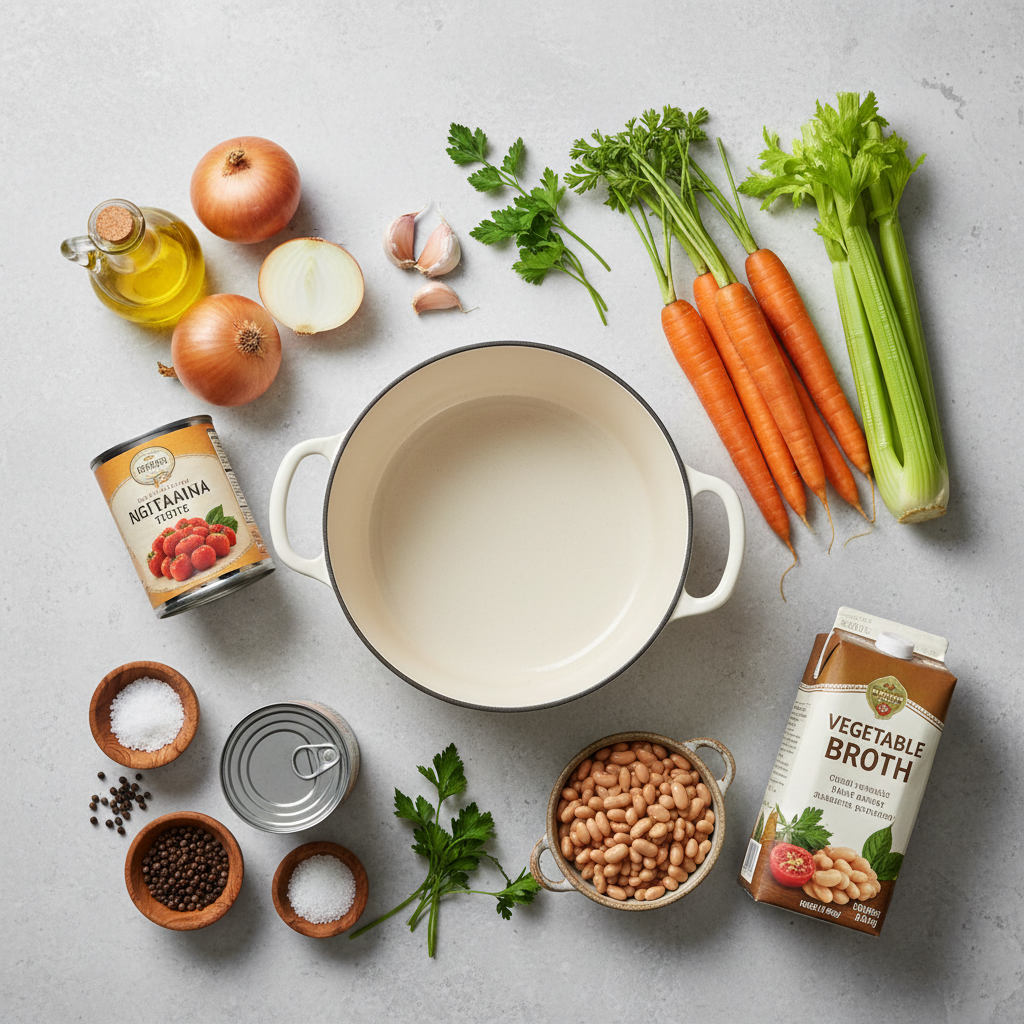
Key point: if you keep onions, broth, and one pantry protein around, you can improvise a solid dinner even when the fridge looks empty.
4 simple homemade soup recipes (beginner-safe, weeknight friendly)
Each recipe below follows the same structure: sauté aromatics, add base, simmer until things taste like one thing, then adjust salt and finish with something bright.
1) Quick Tomato Basil Soup (20–30 minutes)
- Ingredients: 1 onion, 2–3 cloves garlic, 2 cans crushed tomatoes, 2 cups broth, olive oil, salt, pepper, dried oregano or Italian seasoning, basil (fresh if possible), optional splash of cream or a spoon of yogurt.
- Steps:
- Sauté onion in olive oil until soft, add garlic for 30 seconds.
- Add tomatoes + broth + seasoning, simmer 15–20 minutes.
- Blend smooth (immersion blender or carefully in batches), then taste and adjust.
- Finish with basil and a tiny splash of vinegar or lemon if it tastes dull.
Beginner win: if it’s too acidic, a small pinch of sugar can help, but don’t “sweeten” it, you’re just rounding edges.
2) Chicken and Rice Soup (comforting, flexible)
- Ingredients: onion, carrot, celery, broth, shredded cooked chicken, rice (white or brown), bay leaf (optional), salt, pepper.
- Steps:
- Sauté onion/carrot/celery with a pinch of salt until fragrant.
- Add broth and bring to a gentle simmer.
- Add rice and cook until tender, then stir in chicken to warm through.
- Finish with lemon and parsley if you have it.
Small but important tip: rice keeps absorbing liquid, so leftovers may thicken. Add extra broth when reheating.
3) Lentil Vegetable Soup (easy meal prep)
- Ingredients: onion, garlic, carrots, canned tomatoes (optional), brown or green lentils, broth or water + bouillon, cumin or smoked paprika, salt, pepper.
- Steps:
- Sauté aromatics, add spices for 30 seconds so they “wake up.”
- Add lentils + liquid, simmer until lentils turn tender (often 25–40 minutes, varies by brand).
- Taste, then add acid at the end (lemon or vinegar) to brighten.
This is one of those simple soup recipes that tends to taste better on day two, when the flavors settle.
4) Pantry Minestrone-Style Bean Soup (use what you have)
- Ingredients: onion, garlic, broth, canned beans, any vegetables (fresh or frozen), small pasta or potatoes, Italian seasoning, optional parmesan rind.
- Steps:
- Sauté onion/garlic, add broth + veggies and simmer until tender.
- Add beans and pasta near the end so pasta doesn’t overcook.
- Finish with parmesan, black pepper, and a drizzle of olive oil.
Practical note: if you add pasta, cook only what you’ll eat now, store pasta separately for leftovers if you can.
Flavor fixes: how to rescue bland, salty, or “muddy” soup
Most soup frustration is solvable in five minutes, but only if you know what to tweak. This is the part beginners tend to skip, then assume they “can’t cook.”
- Bland: add salt gradually, then add acid (lemon/vinegar). If it’s still flat, try a pinch of spice or parmesan.
- Too salty: add unsalted broth or water, then re-balance with herbs and acid. Potatoes can absorb some saltiness, but dilution is more reliable.
- Too thin: simmer uncovered a bit longer, or blend a cup of beans/veg into the pot to thicken naturally.
- Too thick: add broth in small splashes, stir, taste again.
- “Muddy” flavor: you likely need brightness, add a small amount of lemon, vinegar, or tomatoes, then taste.
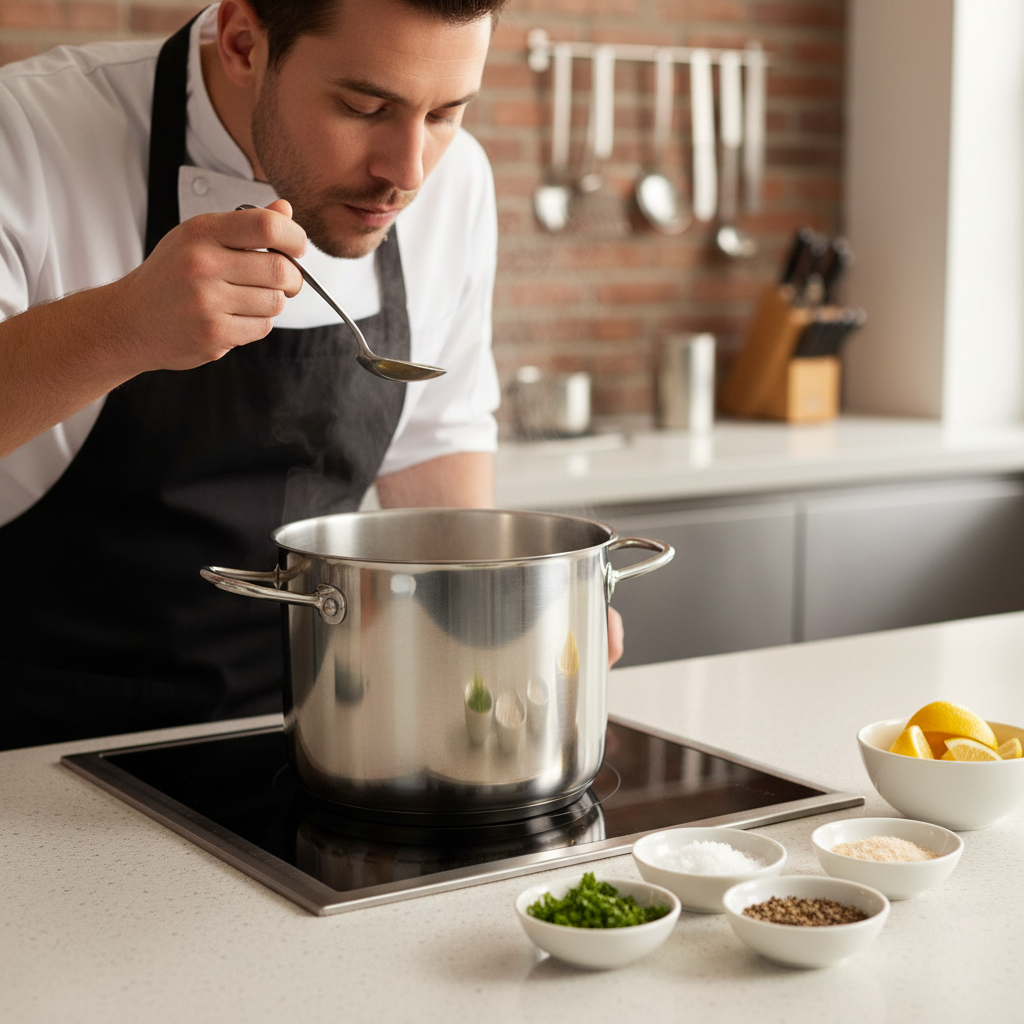
Key takeaway: add acid at the end, not the beginning. It’s the simplest way to make basic flavors feel “finished.”
Beginner cheat sheet: timing, storage, and easy swaps (with table)
If you want these to become repeatable weeknight meals, you need a couple of guardrails, mainly around doneness and leftovers.
| Soup type | Typical cook time | Best for leftovers? | Easy swaps |
|---|---|---|---|
| Tomato (blended) | 20–30 min | Yes | Use canned whole tomatoes; add white beans for creaminess |
| Chicken & rice | 30–45 min | So-so (rice thickens) | Swap rice for noodles; add spinach at the end |
| Lentil vegetable | 35–55 min | Great | Use chickpeas; swap cumin for thyme |
| Bean & veggie (minestrone-style) | 30–50 min | Great (if pasta stored separately) | Use frozen veg; add pesto as a finisher |
Storage and safety notes
- Cool soup quickly in shallow containers before refrigerating, especially big batches.
- Reheat to steaming hot; if you’re unsure about safe handling for your situation, check guidance. According to USDA Food Safety and Inspection Service (FSIS), proper cooling and reheating helps reduce foodborne illness risk.
- Freeze bean and lentil soups easily; cream-based soups can separate, but sometimes re-blend fixes texture.
Practical meal-building: turning soup into a full dinner
Soup feels “not enough” when it lacks either texture or a side that does some work. A small add-on usually solves it.
- For crunch: croutons, toasted tortilla strips, roasted chickpeas.
- For protein: shredded chicken, canned beans, Greek yogurt swirl (if dairy works for you).
- For a fast side: grilled cheese, a bagged salad, garlic bread, or a microwaved baked potato.
- For heat: chili flakes, hot sauce, or a spoon of chili crisp.
Many people stick to the recipe and forget the finish. That last 30 seconds, pepper, lemon, herbs, often decides whether you make the soup again.
Conclusion: start small, repeat what works, and adjust with confidence
Simple soup recipes get easier the moment you stop treating them like fragile baking formulas and start tasting with intention. Pick one recipe from this list, make it twice, and change only one thing the second time, maybe the herb, maybe the protein, maybe the finisher.
If you want an easy next step, choose the tomato soup or lentil soup, stock low-sodium broth, canned tomatoes, and one pantry protein, and you’ll have a reliable dinner plan that doesn’t require a last-minute grocery run.
FAQ
What are the easiest simple soup recipes for absolute beginners?
Blended tomato soup and lentil vegetable soup are usually the most forgiving because timing is flexible and texture is easy to adjust with blending or simmering.
How do I make soup taste better without adding a lot of salt?
Try finishing with acid (lemon or vinegar), fresh herbs, or a savory topper like parmesan. Those changes often make flavors pop even when sodium stays moderate.
Can I use water instead of broth?
You can, but you’ll want extra flavor support, bouillon, canned tomatoes, aromatics, spices, and a strong finisher. Taste more often than you think you need to.
Why does my soup taste “flat” even after simmering?
Flat soup usually needs balance, not more cooking time. Check salt first, then add a small splash of lemon or vinegar, and finish with pepper or herbs.
How long should I simmer soup?
Long enough for vegetables and legumes to turn tender and for the broth to taste cohesive. Many weeknight soups land in the 20–50 minute range, but ingredient size changes everything.
What’s the best way to thicken soup for beginners?
Blend a portion of the soup (beans, potatoes, veggies) back into the pot, or simmer uncovered a bit longer. Flour thickeners work too, but they’re easier to overdo.
Is it safe to freeze homemade soup?
Most bean, lentil, and broth-based soups freeze well. Dairy-based soups can separate after thawing, but re-blending may improve texture; if you have food safety concerns, consult official guidance.
How do I avoid mushy pasta or rice in leftover soup?
Cook pasta or rice separately and add it to each bowl, or plan to thin leftovers with extra broth. This small habit keeps texture much closer to “fresh.”