
Keto recipes can feel confusing at first, especially when you’re trying to cut carbs without living on bacon and cheese. The good news is that beginner-friendly keto cooking is mostly about a few repeatable patterns: pick a protein, add low-carb vegetables, choose a fat source, and keep the seasonings simple.
If you’re new, the hard part usually isn’t the recipes, it’s the decision fatigue, what to buy, what to cook, and how to avoid “accidental carbs” that sneak into sauces and snacks. A small set of go-to meals beats an ambitious meal plan you quit by Wednesday.
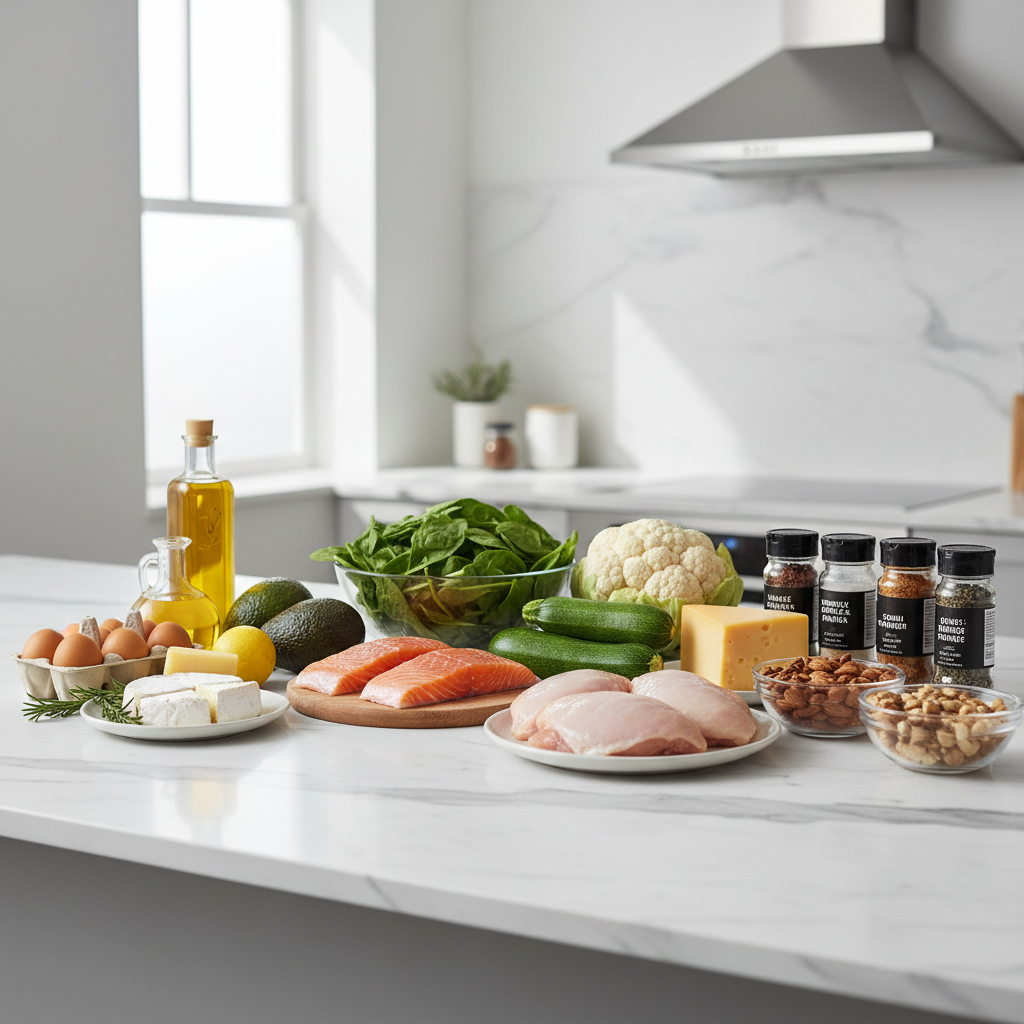
This guide gives you realistic starter options: a simple carb-awareness checklist, a set of easy meals you can rotate, and practical prep tips so you spend less time calculating and more time eating something you actually like.
What “low carb keto” usually means (and why beginners get stuck)
Keto is typically a low-carb, higher-fat pattern that aims to keep carbs very low. Exact targets vary by person and goals, and if you have medical conditions, it’s smart to check in with a clinician or registered dietitian before making big changes.
Where beginners trip up tends to be predictable:
- Hidden carbs in ketchup, BBQ sauce, sweetened coffee creamers, and “healthy” granola.
- Protein-only meals that leave you hungry, then you snack on carb-heavy foods later.
- Overcomplicated recipes that require niche ingredients and two hours of cleanup.
- Electrolyte and hydration issues early on, which can make you feel off. According to the Centers for Disease Control and Prevention (CDC), hydration is an important part of overall health; if you feel unwell, it may be worth reviewing fluids and sodium with a professional.
So, rather than chasing perfection, build a “safe list” of meals and ingredients you can trust.
A quick self-check: are you choosing truly keto-friendly meals?
Before you save a recipe, run it through this fast filter. It’s not about being strict for the sake of it, it’s about avoiding the common carb traps that knock beginners off track.
- Protein base: eggs, chicken, beef, pork, turkey, salmon, tuna, tofu.
- Vegetable volume: leafy greens, broccoli, cauliflower, zucchini, asparagus, mushrooms, peppers.
- Fat source included: olive oil, butter/ghee, avocado, mayo, pesto, cheese (if it works for you).
- Starch swap present: cauliflower rice, zucchini noodles, lettuce wraps, or just “no bun.”
- Sauce check: look for added sugar, honey, syrup, flour, cornstarch, and “glaze.”
If a meal fails two or more items, it’s not automatically “bad,” but it’s less beginner-proof.
Beginner keto pantry and fridge staples (keep it boring on purpose)
Most people do better when they can cook from a short list. These staples support dozens of keto recipes without turning your kitchen into a specialty store.
Proteins
- Eggs (breakfast, lunch, emergency dinner)
- Chicken thighs (harder to dry out than breast)
- Ground beef or turkey (fast, flexible)
- Salmon (fresh or frozen)
- Canned tuna or sardines (low-effort protein)
Low-carb vegetables
- Bagged salad greens, spinach
- Cauliflower (rice or florets)
- Zucchini, broccoli, mushrooms
- Pickles and sauerkraut (check for added sugar)
Fats, sauces, flavor
- Olive oil, avocado oil, butter
- Mayo, mustard, sugar-free hot sauce
- Unsweetened Greek yogurt (if tolerated)
- Spices: garlic powder, smoked paprika, chili flakes, Italian seasoning
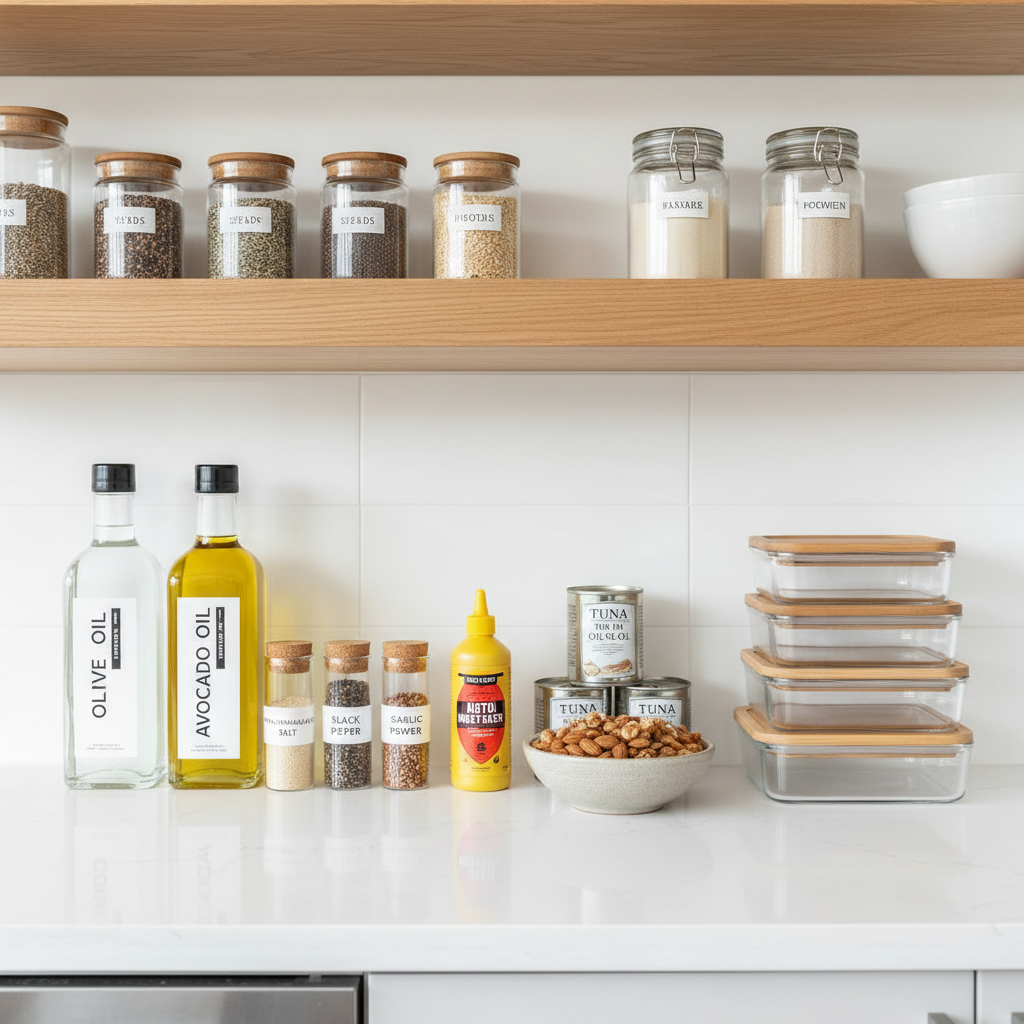
One more real-world tip: if you’re not sure you’ll love keto yet, don’t buy five alternative flours and three sweeteners. Start with food you already recognize.
6 easy keto recipes you can rotate all week
These are designed for beginners: short ingredient lists, no fancy equipment, and easy leftovers. Adjust portions and ingredients based on your needs, and if you track carbs, check labels because brands vary.
1) 10-minute egg scramble bowl
- Base: eggs
- Add: spinach + mushrooms
- Finish: cheese, salsa (no sugar added), avocado
Cook veggies first, add eggs, fold gently. If you get hungry quickly, add olive oil or avocado, not toast.
2) Sheet-pan lemon garlic chicken thighs
- Base: chicken thighs
- Add: broccoli or asparagus
- Finish: butter + lemon + garlic
Roast everything together, then melt butter with lemon juice over the top. This is a “set it and forget it” dinner that actually tastes like effort.
3) Burger bowl (no bun, no drama)
- Base: ground beef patty
- Add: lettuce, tomato, pickles, onion
- Finish: mayo + mustard, or a simple ranch
If you miss fries, roast zucchini spears with salt and paprika and call it a day.
4) Cauliflower fried rice
- Base: cauliflower rice
- Add: scrambled egg + diced chicken or shrimp
- Finish: soy sauce or coconut aminos, sesame oil
Cook the cauliflower hot and fast so it doesn’t turn watery. This is one of those keto recipes that can taste “normal” enough for non-keto family.
5) Salmon + creamy cucumber salad
- Base: salmon (pan-seared or air fried)
- Add: cucumber, dill
- Finish: Greek yogurt or mayo + lemon
When you’re tired, seafood helps because it cooks quickly and doesn’t require a lot of “assembly.”
6) Taco lettuce wraps
- Base: seasoned ground turkey or beef
- Add: lettuce cups, shredded cheese
- Finish: sour cream, pico de gallo (watch sugar), jalapeños
If cravings hit, taco flavor is a cheat code. Just keep an eye on seasoning packets, some contain added sugar or starch.
A simple 3-day beginner meal plan (mix-and-match)
If planning feels overwhelming, steal this structure. It uses repeat ingredients, which keeps shopping and cooking easier.
| Day | Breakfast | Lunch | Dinner | Snack (optional) |
|---|---|---|---|---|
| 1 | Egg scramble bowl | Burger bowl | Sheet-pan chicken + broccoli | Nuts or cheese + cucumber |
| 2 | Greek yogurt + chia (unsweetened) | Taco lettuce wraps | Salmon + cucumber salad | Hard-boiled eggs |
| 3 | Omelet with leftovers | Chicken salad lettuce wraps | Cauliflower fried rice | Olives or pickles |
Repeat this 3-day loop twice, and you have almost a full week without new decisions.
Practical cooking tips that make keto easier (not stricter)
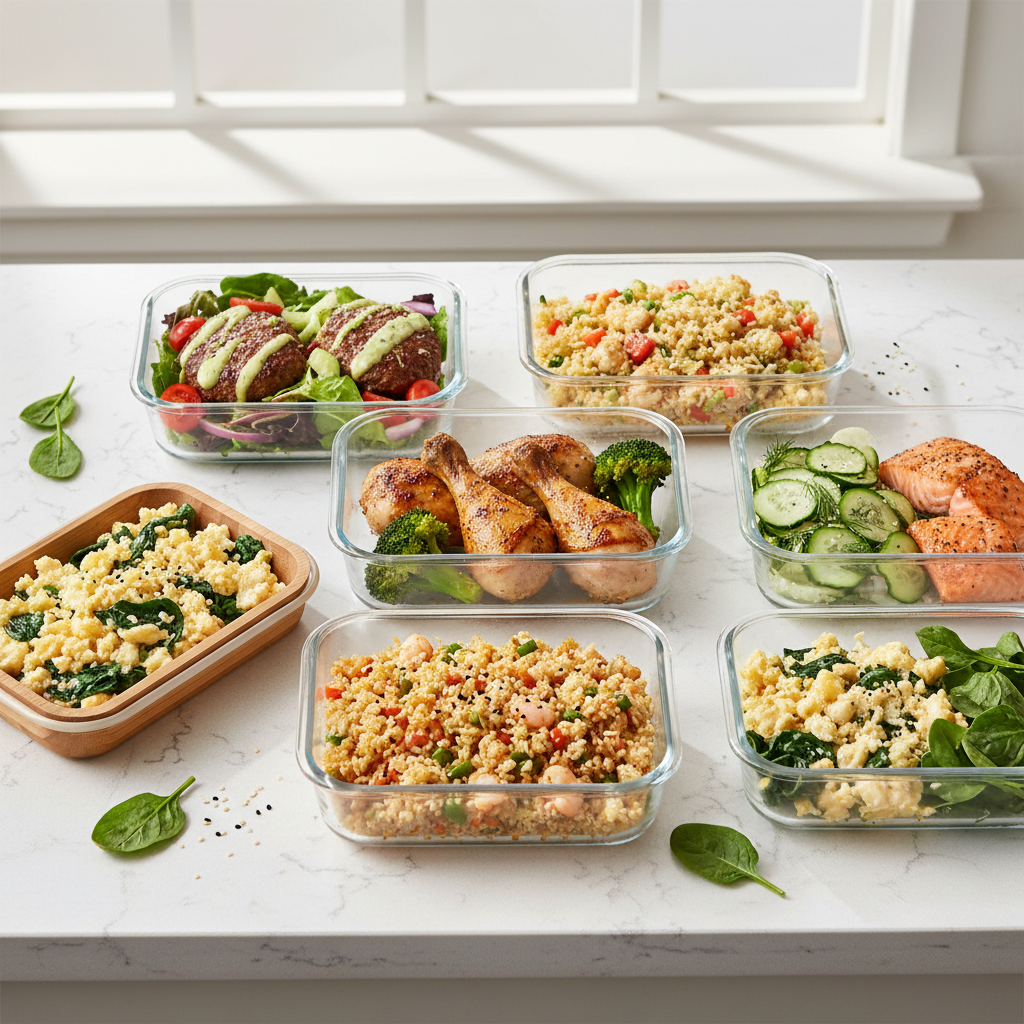
Most beginners don’t need more recipes, they need fewer friction points. These help keto recipes fit into real weekdays.
- Cook once, eat twice: roast extra chicken thighs, turn leftovers into salad bowls or lettuce wraps.
- Keep “rescue foods” around: canned tuna, eggs, frozen cauliflower rice, bagged greens.
- Build a default plate: protein + green veg + fat-based sauce, repeat with different seasonings.
- Watch beverages: sweetened coffee drinks can quietly become the highest-carb “meal.”
- Make sauces your hobby: pesto, garlic butter, chipotle mayo, ranch-style yogurt dressing.
Common mistakes (and how to avoid the frustrating ones)
You can do everything “right” and still feel off in week one. That doesn’t mean keto is failing, but it does mean you should adjust based on how you feel.
- Going too low on calories by accident: if you’re starving, add fat and protein, not random snacks.
- Not enough fiber: prioritize leafy greens, broccoli, chia, and consider talking with a professional if digestion changes.
- Using “keto” packaged foods as the base: many are fine occasionally, but they can stall progress and trigger cravings in some people.
- Assuming all “sugar-free” items are equal: some sweeteners upset stomachs; test one at a time.
- Ignoring how you feel during workouts: performance can shift during adaptation, scale intensity if needed.
According to the U.S. Food and Drug Administration (FDA), the Nutrition Facts label is the best place to check ingredients and carbohydrate amounts; when in doubt, read the label rather than trusting front-of-pack claims.
When to talk to a professional before going further
Keto recipes can be a useful tool for some goals, but not everyone should jump in without guidance. Consider professional support if you:
- take diabetes medications or insulin, since carb changes may affect blood sugar management
- have a history of kidney disease, pancreatitis, gallbladder issues, or eating disorders
- are pregnant, breastfeeding, or managing complex medical conditions
- feel persistent dizziness, heart palpitations, or severe fatigue
A registered dietitian can help adapt low-carb choices to your preferences and health needs, without turning meals into a math problem.
Key takeaways (so you don’t overthink dinner)
- Start with a rotation of 5–6 meals, then expand once shopping and prep feel easy.
- Check sauces and snacks for hidden carbs, that’s where beginners lose momentum.
- Make your kitchen “default keto” with eggs, proteins, low-carb veggies, and two reliable sauces.
- If you feel unwell, slow down and consider professional advice, especially with medical conditions.
Conclusion: keep it simple, then make it yours
If you want keto to stick, treat it like a routine, not a project. Pick two breakfasts you don’t hate, two lunches you can pack, and two dinners you can cook on autopilot, then let repetition do the heavy lifting.
Your next step can be small: choose three keto recipes from this page, shop once, and repeat the cycle for a few days. If it feels doable, expand from there, if it feels miserable, adjust rather than forcing it.
FAQ
What are the easiest keto recipes for absolute beginners?
Egg-based meals, sheet-pan chicken, burger bowls, and taco lettuce wraps usually work well because they use familiar ingredients and don’t rely on specialty baking.
Do I need to count macros to use keto recipes?
Not always. Many beginners do fine by keeping carbs low with whole foods and checking labels for sauces and snacks, but tracking can help if you feel stuck or have specific goals.
What’s a good keto breakfast if I don’t want eggs?
Unsweetened Greek yogurt with chia, a protein-heavy smoothie using unsweetened ingredients, or leftover dinner protein with avocado can be practical options.
Are “keto snacks” from the store worth it?
They can be convenient, but they’re easy to overeat and some trigger cravings. Many people do better with simple snacks like nuts, olives, cheese, or hard-boiled eggs.
Why do I feel tired when starting low carb?
Some people feel sluggish early on due to changes in hydration and electrolytes, or from under-eating. If symptoms feel intense or persistent, it’s wise to talk with a clinician.
Can I eat fruit on keto?
It depends on your carb target. Berries in small amounts fit more often than bananas or grapes, but portion size matters more than the “healthy” label.
What’s the simplest keto dinner for a busy weeknight?
Sheet-pan chicken thighs with a green vegetable is hard to beat: season, roast, and add a fat-based sauce like garlic butter or pesto.
How do I keep keto affordable?
Buy frozen vegetables, choose ground meat and chicken thighs, use eggs often, and rely on repeat meals. Fancy keto products tend to be the budget killer.
If you’re trying to make keto recipes work with your schedule, your food preferences, or a specific health goal, it can help to use a simple meal template and a short shopping list, and if you want a more hands-off approach, consider working with a registered dietitian who can personalize it without turning your week into constant tracking.