
Chocolate cake turns disappointing fast when it bakes up dry, crumbly, or oddly dense, even if the flavor is “fine.” Most people don’t need a new pan or fancy cocoa, they need a better handle on moisture, mixing, and bake timing.
This guide gives you a few dependable moist options (from classic to quick), plus a simple way to choose the right recipe for your schedule, pan, and frosting plan. I’ll also call out the small steps that usually make the difference, like how hot coffee helps, when to stop mixing, and why you should trust a toothpick but not worship it.
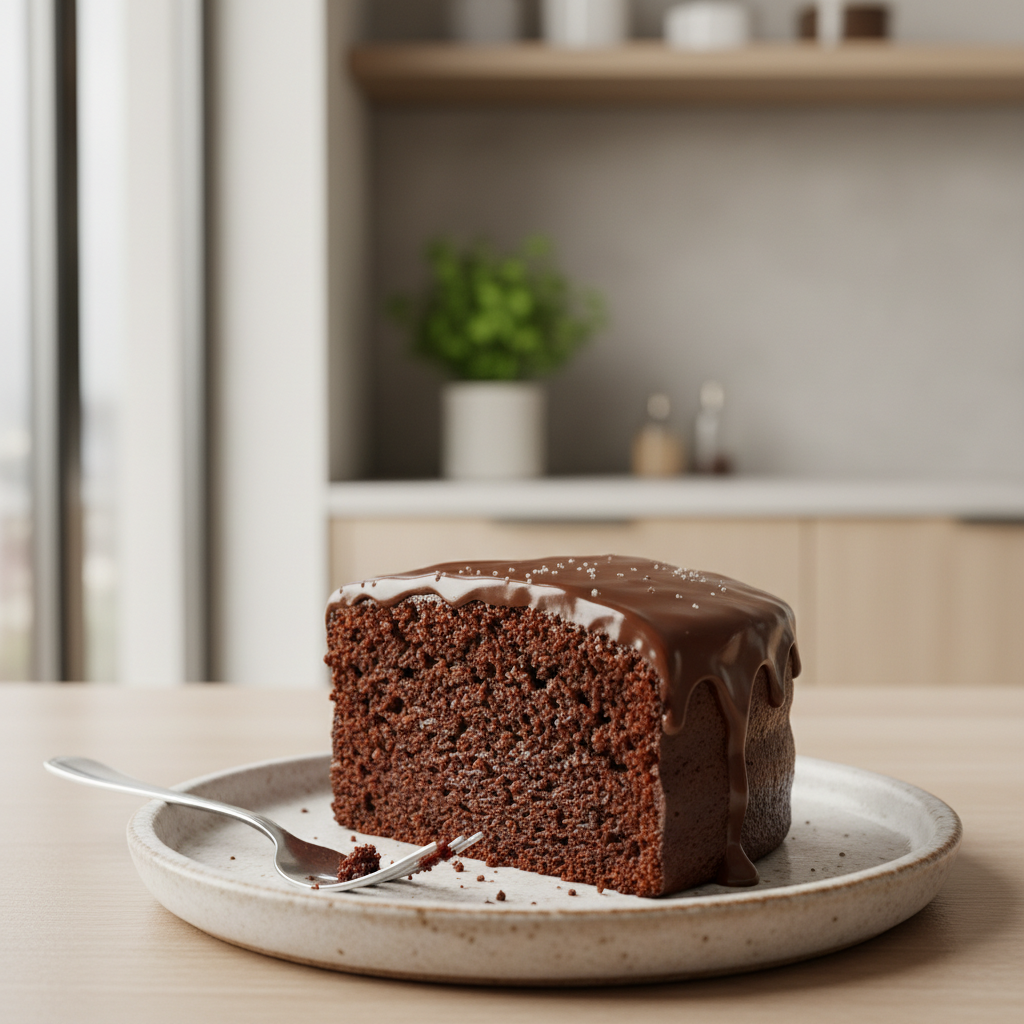
One quick note before we bake: “moist” can mean different things. Some people want a plush, bakery-style crumb that holds shape under frosting, others want almost pudding-soft cake for casual snacking. You’ll see both types here, with clear cues for when to use each.
Why chocolate cake dries out (and what “moist” really comes from)
Moisture isn’t only “more liquid.” In a good chocolate bake, moisture comes from a mix of water-binding ingredients, controlled gluten, and not overbaking.
- Overbaking by a few minutes is the most common culprit, especially in dark pans or glass dishes.
- Too much flour or cocoa (usually from scooping instead of leveling or weighing) quietly steals tenderness.
- Overmixing develops gluten, which can make the crumb tough and feel dry even if it’s technically hydrated.
- Not enough fat or “softeners” like oil, sour cream, buttermilk, or brown sugar, which help the crumb stay tender after cooling.
- Heat distribution issues from pan size swaps, convection settings, or baking multiple layers at once.
According to USDA Food Safety and Inspection Service (FSIS), baked goods should be cooled and stored properly to limit bacterial growth; for home baking, that translates into cooling efficiently, then sealing well so your cake doesn’t lose moisture to the air while it sits.
Pick your “moist” style: a quick recipe selector
If you’re deciding between recipes, this kind of comparison helps more than a long ingredient debate.
| What you want | Best recipe type | Why it stays moist | Best for |
|---|---|---|---|
| Deep chocolate flavor, soft crumb | Oil + hot coffee/cocoa | Oil stays liquid at room temp; hot liquid blooms cocoa | Layer cakes, cupcakes |
| Extra plush, almost “fudgy” | Sour cream or yogurt-based | Acid + fat softens crumb; holds moisture after day 1 | Sheet cake, snacking cake |
| Fast, one-bowl, minimal cleanup | One-bowl buttermilk | Buttermilk tenderness + simple mixing method | Weeknight baking |
| Make-ahead friendly | Sheet cake + simple syrup option | Large format holds moisture; syrup insurance | Parties, potlucks |
Moist Chocolate Cake Recipe #1: One-bowl oil + hot coffee (reliable, rich)
This is the style many people mean when they search chocolate cake and “moist” in the same breath: tender, dark, and forgiving. Coffee won’t make it taste like a latte, it mostly pushes chocolate to taste more chocolate.
Ingredients (two 8-inch layers or one 9x13)
- All-purpose flour
- Unsweetened cocoa powder (natural or Dutch-process, but keep it consistent within a recipe)
- Granulated sugar (a small portion can be brown sugar for extra softness)
- Baking powder + baking soda
- Fine salt
- Neutral oil (canola, vegetable, avocado)
- Eggs
- Buttermilk (or milk + a splash of acid as a backup)
- Hot coffee (or hot water)
- Vanilla extract
Method (the moisture-friendly version)
- Heat oven to 350°F, prep pans with parchment rounds if making layers.
- Whisk dry ingredients thoroughly, especially cocoa, so you don’t chase lumps later.
- Whisk in oil, eggs, and buttermilk until just smooth.
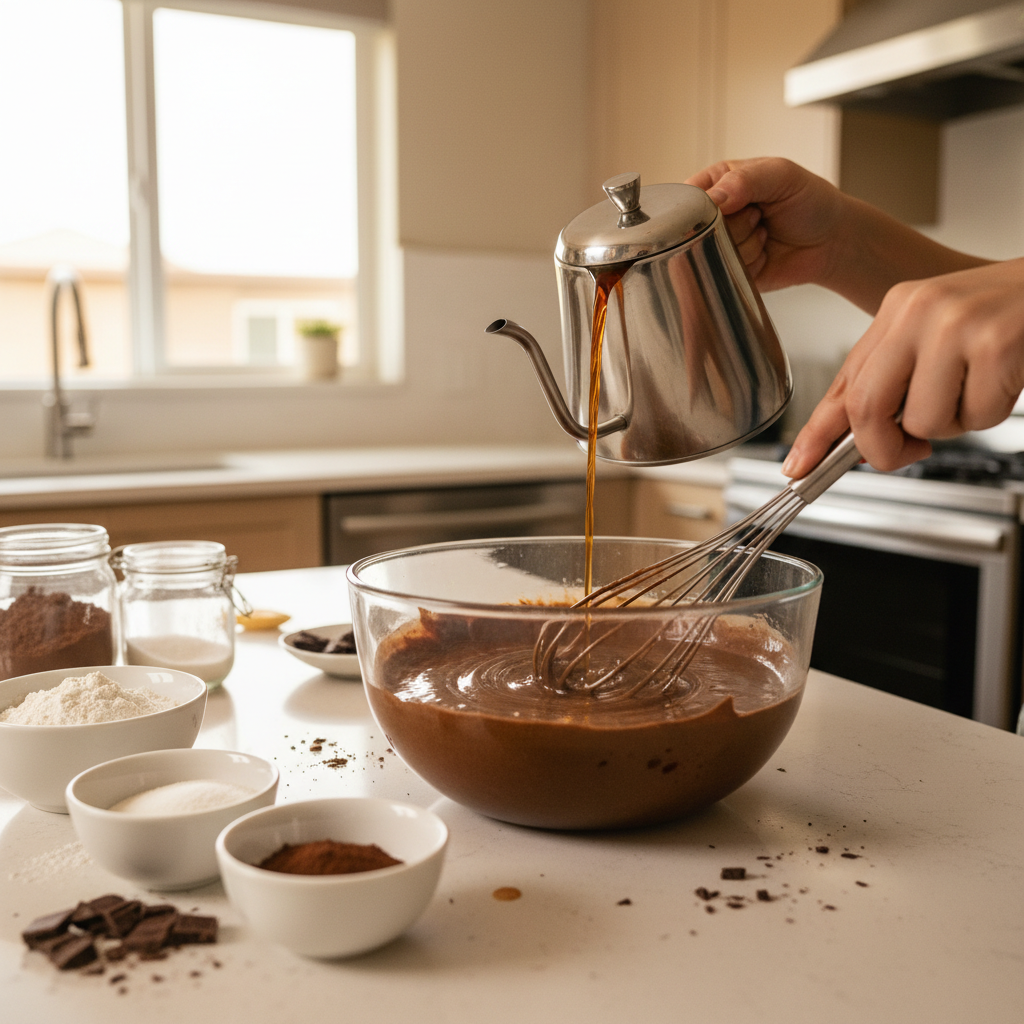
- Pour in hot coffee slowly while whisking. Batter will look thin, that’s normal for this style.
- Bake until the center springs back lightly and a tester comes out with moist crumbs, not wet batter.
If your cakes often dry out, pull them earlier than you think. Residual heat keeps cooking the center for a few minutes after the pan leaves the oven.
Moist Chocolate Cake Recipe #2: Sour cream chocolate cake (plush crumb, great day 2)
This version leans into richness and softness. Sour cream (or full-fat Greek yogurt) tends to hold moisture well, so the cake still tastes good after it sits overnight, which is where many homemade bakes start to feel “dry.”
Ingredients (best as a sheet cake or Bundt-style)
- All-purpose flour
- Unsweetened cocoa powder
- Baking soda (often enough on its own because of the acidity)
- Salt
- Butter (or part butter, part oil for extra softness)
- Brown sugar + granulated sugar blend
- Eggs
- Sour cream (or full-fat Greek yogurt)
- Warm water (or warm coffee)
- Vanilla
Method cues that matter
- Cream butter and sugar just until fluffy, then stop. Over-creaming can make a cake that rises then sinks.
- Add eggs one at a time, mix only until combined.
- Alternate dry mix and sour cream, end as soon as flour disappears.
- Add warm liquid last, gently, so the batter stays cohesive.
This type of chocolate cake pairs especially well with a not-too-sweet frosting, like tangy cream cheese cocoa frosting, or a simple ganache.
A fast “moistness check” before you blame the recipe
A lot of “this recipe is dry” comes down to a few repeatable checks. Run through this list once and you’ll usually spot the issue.
- Pan swap? A 9x13 and two 8-inch layers bake very differently, even if volume seems similar.
- Oven runs hot? If edges brown early, you may be baking 15–25°F hotter than the dial says.
- Did you measure flour by scooping? That can pack in extra flour. Spoon-and-level, or weigh if you can.
- Did you wait to frost? Frosting a warm cake traps steam, which can turn texture gummy, then it “dries” as it cools.
- How are you storing it? A cut edge exposed to air goes stale fast, even when the center stays soft.
Practical tips that keep chocolate cake moist (without gimmicks)
These are small moves, but they add up.
- Use oil when you want tenderness: butter tastes great, but oil often keeps crumb softer longer at room temp.
- Bloom cocoa with heat: hot coffee or hot water helps cocoa dissolve and taste deeper.
- Don’t chase “clean toothpick”: for moist cake, aim for a few tender crumbs, not a bone-dry tester.
- Cool, then wrap: once barely warm, wrap layers in plastic and rest 2–12 hours. The crumb evens out.
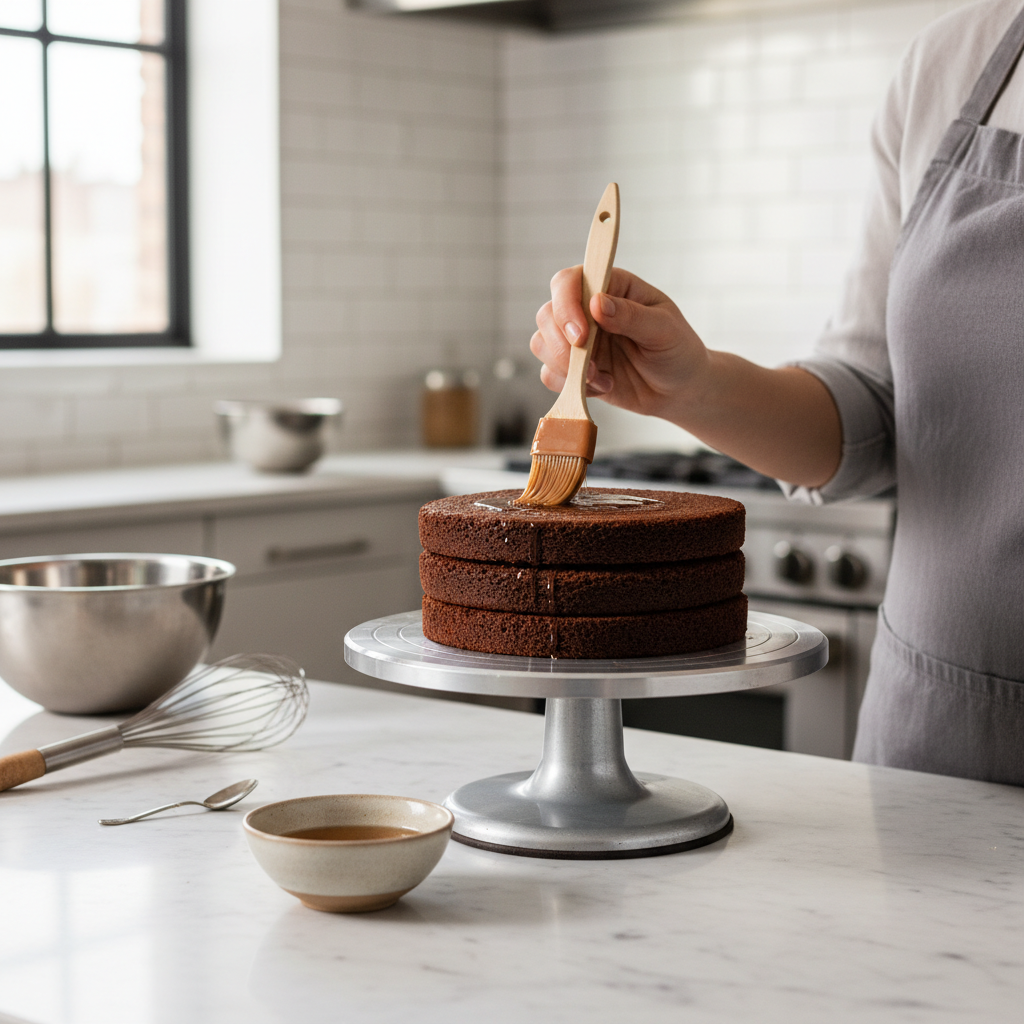
- Simple syrup is optional insurance: brush lightly on layers if you’re assembling ahead. Don’t soak.
Common mistakes (and quick fixes that actually work)
Some fixes sound right but don’t solve the real problem. Here are the ones that come up most.
- Mistake: Adding extra liquid “to be safe.”
Fix: Keep ratios intact, instead reduce bake time slightly or switch part butter to oil. - Mistake: Baking until the top looks fully set and matte.
Fix: Check earlier, especially for dark pans. Edges can look done while the center still needs 2–4 minutes. - Mistake: Mixing until perfectly smooth.
Fix: Stop once flour disappears, small cocoa specks are better than overworked batter. - Mistake: Refrigerating uncovered cake.
Fix: Wrap well. If chilled for food safety or frosting stability, bring to room temp before serving for softer texture.
When to adjust for dietary needs or ask a pro
If you need gluten-free, egg-free, or reduced-sugar options, moisture becomes more sensitive. Many substitutes change structure, not just sweetness. In those cases, it’s usually better to start with a recipe written for that diet instead of swapping ingredients one by one.
And if you’re baking for someone with allergies or medical dietary restrictions, it’s smart to consult a qualified professional or follow a trusted specialty source closely. According to FDA, major food allergens require careful handling and label reading, which matters in shared kitchens where cross-contact happens easily.
Conclusion: a moist chocolate cake is mostly technique, not luck
A truly moist chocolate cake usually comes from three habits: measure carefully, mix less than you think, and bake to “moist crumbs,” not dryness. Choose the oil-and-coffee style when you want a reliable crowd-pleaser, or the sour cream version when you care about day-two texture.
If you want one action today, bake a single 9x13 first, note the exact time your oven hits that moist-crumb stage, then repeat with confidence. Consistency beats constant recipe-hopping.
FAQ
How do I keep chocolate cake moist overnight?
Cool it fully, then wrap tightly. For layers, wrap each layer individually. If it’s already cut, press plastic wrap against the cut edge so air can’t pull moisture out.
Is coffee necessary in a moist chocolate cake recipe?
No. Hot water still blooms cocoa and keeps texture soft. Coffee mainly deepens chocolate flavor, and many people don’t taste “coffee” once it’s baked.
Why did my chocolate cake turn out dry even with oil?
Oil helps, but it can’t rescue overbaking or too much dry ingredient. Check pan size, oven temperature, and how you measured flour and cocoa.
Should I use Dutch-process or natural cocoa?
Either can work, but don’t swap casually if the recipe relies on baking soda for lift. If the recipe doesn’t specify, natural cocoa is a safer default for many home bakes.
How can I make a boxed mix taste more moist?
Many bakers add an extra egg yolk, swap water for milk or buttermilk, and use melted butter or oil. Keep bake time conservative and start checking early.
What’s the best frosting for a moist chocolate cake?
Ganache, chocolate buttercream, and cream cheese cocoa frosting all work. If you want the cake to taste less sweet, ganache or a lightly sweetened whipped frosting can feel more balanced.
How do I know when my cake is done without drying it out?
Look for a slight spring-back in the center and a tester with moist crumbs. If it comes out fully clean, you may already be on the dry side, especially in thinner pans.
If you’re trying to dial in a moist result for a specific pan size, altitude, or frosting plan, it often helps to describe your setup and the texture you want, then adjust one variable at a time instead of changing the whole recipe.